To keep litter dust off your floors, choose low-dust, clumping litter designed for dust reduction, and scoop gently to prevent airborne particles. Place a mat or tray under the litter box to catch loose debris, and consider using a covered box with a filter. Regularly clean the area with a vacuum equipped with a HEPA filter and wipe surfaces with a damp cloth. Continue exploring practical tips to create a cleaner, dust-free environment.
Key Takeaways
- Use dust-reducing, low-dust clumping litter and avoid fine particles.
- Place a tray or mat under the litter box to catch loose dust particles.
- Scoop gently with a fine-mesh scoop and dispose of waste promptly.
- Regularly vacuum surrounding areas with a HEPA-filter vacuum and wipe surfaces with a damp cloth.
- Consider covered litter boxes with filters and elevate them to minimize dust spread.
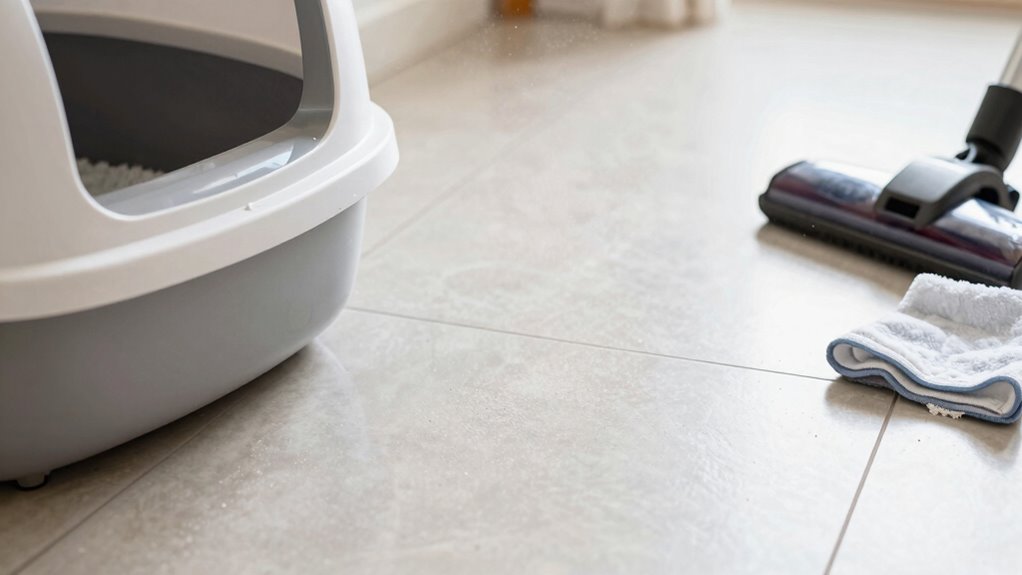
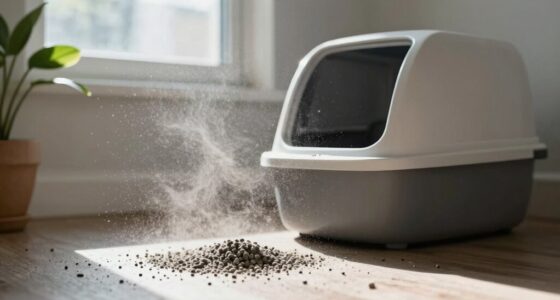
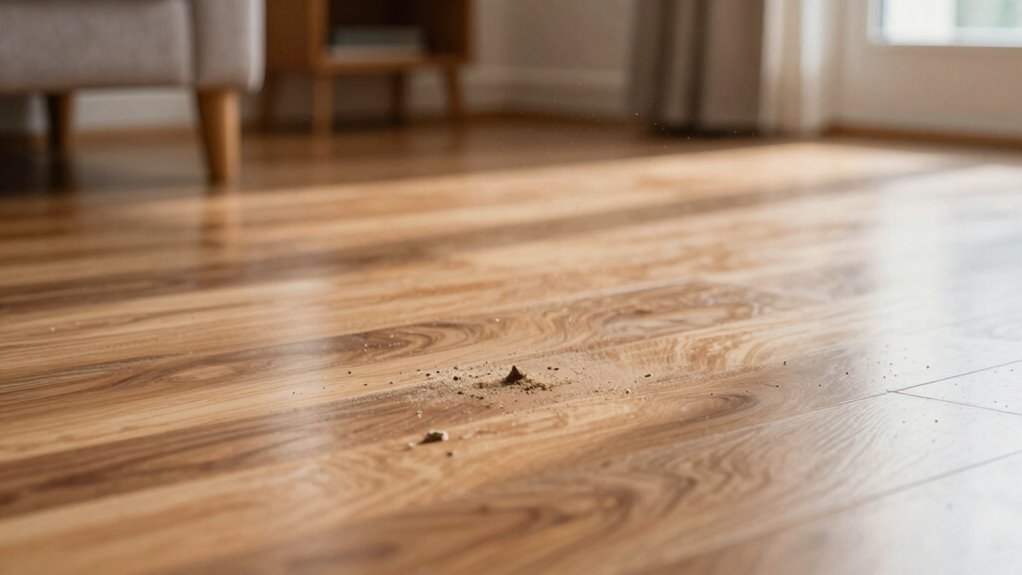
Have you ever noticed a fine layer of dust rising when you scoop your cat’s litter box? That dust can quickly settle on your floors, furniture, and even your clothes, making cleaning feel like an endless battle. The good news is, with proper litter box maintenance and some effective dust control methods, you can markedly reduce the mess. First, focus on choosing the right type of litter. Clumping litter with low dust content is usually a smart choice. Look for brands specifically designed for dust reduction, as these often contain fewer fine particles that become airborne when scooping. Switching to a higher-quality, dust-free litter isn’t just about cleanliness; it’s about protecting your respiratory health too.
Next, think about how you scoop and handle the litter. Use a scoop with a fine mesh to minimize the disturbance of dust when removing waste. When you do scoop, try to do it gently, avoiding vigorous movements that can send dust flying into the air. After scooping, dispose of waste promptly to prevent dust from settling on surfaces and creating a dusty environment. Regularly cleaning the litter box itself is also crucial. Wash the box with mild soap and water weekly to prevent buildup of dust and debris, which can become airborne during routine maintenance.
In addition to litter choice and handling techniques, implementing dust control methods around the litter area can make a huge difference. Placing a mat or tray underneath the litter box can catch loose particles before they spread across your floors. You might also want to consider a covered litter box, which contains dust better than open ones, especially if it’s equipped with a carbon filter to control odors and dust. Elevating the box on a stand can help reduce the amount of dust that reaches the ground when your cat digs or kicks litter out of the box.
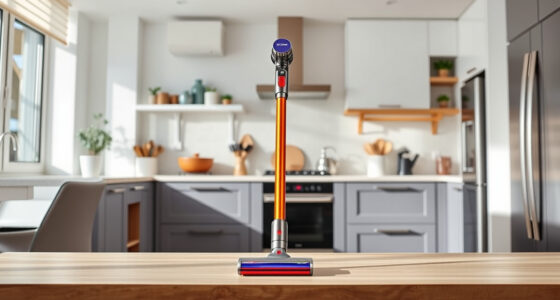
Finally, don’t forget the importance of regular vacuuming and cleaning of the surrounding area. Using a vacuum with a HEPA filter can trap tiny dust particles, preventing them from recirculating into the air. Wiping down nearby surfaces with a damp cloth helps pick up any settled dust, leaving your home cleaner and healthier. Additionally, selecting appropriate cleaning equipment designed for dust removal can further improve air quality. By combining smart litter box maintenance with effective dust control methods, you can keep your floors cleaner, your air clearer, and your cat’s litter habits less of a nuisance. Consistency is key, and over time, you’ll notice a marked drop in the amount of dust floating around your living space.

roborock Q7 M5+ Robot Vacuum and Mop, Up to 7-9 Weeks Self-Empty, 10000Pa
- Long-lasting Cleaning Cycles: Up to 7-9 weeks with large dust bag
- Powerful Suction: 10000Pa for deep cleaning on all surfaces
- Tangle-Resistant Brushes: Dual anti-tangle design reduces hair wrap
As an affiliate, we earn on qualifying purchases.
Frequently Asked Questions
Can Switching Litter Brands Reduce Dust Levels Significantly?
Switching litter brands can considerably reduce dust levels, especially if you compare different litter dust options. A thorough litter dust comparison reveals which brands produce less airborne dust, making your cleaning easier and healthier. The benefits of brand switching include cleaner floors, better air quality, and less tracking. Try different brands to find one with low dust content, and you’ll notice a marked difference in how much dust stays off your floors.
How Often Should I Change My Cat’s Litter to Minimize Dust?
You should change your cat’s litter at least once a week to minimize dust and maintain good litter box maintenance. Regularly scooping and replacing the litter helps prevent dust buildup, which is key to dust prevention strategies. If your cat uses clumping litter, consider changing it more often—every 3-4 days—to keep dust levels low. Consistent maintenance keeps floors cleaner and your cat healthier.
Do Air Purifiers Help in Controlling Litter Dust in the Home?
Ever wondered if air purifiers really help with litter dust? They can be effective by filtering out dust particles, improving your home’s air quality. Look for models with high-efficiency particulate air (HEPA) filters, which excel at dust particle filtration. While they may not eliminate all dust, air purifiers markedly reduce airborne particles, making your environment healthier and cleaner. So, yes, investing in a good air purifier can make a noticeable difference.
Are There Specific Litter Types Best for Allergy Sufferers?
Yes, you should choose litter with specific grain types and dust-free formulations if you’re allergy-prone. Opt for fine, low-dust grains that produce less airborne particles, reducing allergy triggers. Clumping litters with dust-free formulas help keep your air cleaner and floors less dusty. Look for brands labeled as hypoallergenic or designed for sensitive noses. These options can markedly improve your comfort and reduce allergy symptoms.
What Are the Long-Term Health Effects of Inhaling Litter Dust?
Inhaling litter dust over time can harm your lung health and increase respiratory risks. While some believe it’s harmless, research shows long-term exposure may lead to issues like asthma or chronic bronchitis. You might not notice immediate effects, but persistent inhalation damages lung tissues. Regularly cleaning and choosing low-dust or dust-free litter options can help protect your respiratory health and reduce these long-term risks.

Amazon Basics Microfiber Cleaning Cloths, Ultra Absorbent, Lint Free, Streak Free, Non-Abrasive, Reusable and Washable, 16" x 12", Blue/White/Yellow, Pack of 24
- Size: 16 x 12 inches
- Quantity: 24-pack
- Material: Microfiber
As an affiliate, we earn on qualifying purchases.
Conclusion
Think of litter dust as a sneaky breeze that whispers across your floors, threatening to settle everywhere. But with a few simple steps—like regular cleaning and choosing low-dust litter—you can tame this invisible storm. Don’t let dust be the ghost haunting your home’s freshness. Take control today, and keep your floors spotless and dust-free. Remember, you hold the broom; you hold the power to keep your space shining bright.
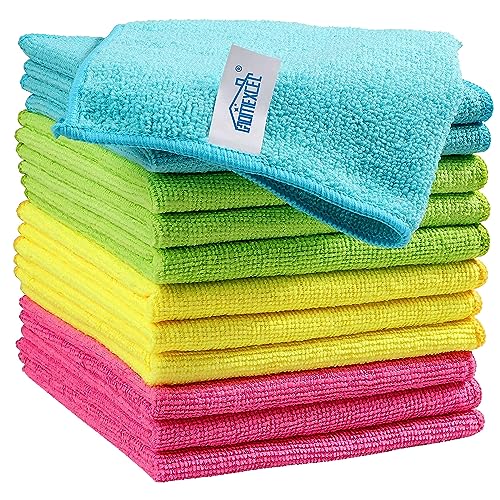
HOMEXCEL 12PK Microfiber Cleaning Cloth, Cleaning Rag for Home, 11.5x11.5in
- Effective Streak-Free Cleaning: Cleans various surfaces with minimal effort
- Lint-Free & Scratch-Safe: Won't scratch delicate finishes or electronics
- Ultra-Absorbent for Spills: Quickly absorbs liquids and grime
As an affiliate, we earn on qualifying purchases.

roborock 2026 New Qrevo S Pro Robot Vacuum and Mop, 18,500Pa Suction
- All-in-One Docking Station: Automatic dust emptying and mop cleaning
- High-Power Suction: 18500Pa for deep cleaning
- Pet-Friendly Tangle-Free System: Zero-tangle brushes and easy maintenance
As an affiliate, we earn on qualifying purchases.