To effectively reduce pet dander, focus on regular cleaning with HEPA-filtered vacuums, especially on carpets, upholstery, and soft furnishings. Use air purifiers and improve ventilation to clear airborne allergens. Wash bedding, curtains, and pet-related items weekly, and groom your pets frequently to minimize dander spread. Avoid common mistakes like neglecting deep cleaning or improper vacuuming techniques. Keep your home fresh and allergen-free by following these proven steps—you’ll discover more ways to make your space healthier.
Key Takeaways
- Use HEPA-filtered vacuums and microfiber cloths to trap and remove pet dander effectively.
- Enhance air quality with HEPA air purifiers and proper ventilation to reduce airborne allergens.
- Wash pet bedding, cushions, and curtains regularly in hot water to minimize dander buildup.
- Vacuum soft furnishings thoroughly and frequently, focusing on seams, crevices, and under furniture.
- Maintain a consistent cleaning routine, including deep cleaning and spot treatments, to prevent allergen accumulation.

Bissell Pet Hair Eraser Allergen Lift-Off, HEPA, 39883
- Powerful Suction: Removes dirt, fur, and dust effectively
- Lift-Off Detachable Pod: Easy cleaning in hard-to-reach areas
- HEPA Sealed Allergen System: Traps allergens inside for cleaner air
As an affiliate, we earn on qualifying purchases.
As an affiliate, we earn on qualifying purchases.
Why Pet Dander Lingers and How to Break the Cycle
Pet dander tends to linger because it easily becomes airborne and settles into soft surfaces like carpets, upholstery, and bedding. This pet dander buildup creates a persistent source of allergen exposure. When you move around or clean, tiny particles are released into the air, triggering allergic reactions. These reactions can include sneezing, itchy eyes, or asthma symptoms, making it hard to breathe comfortably. To break this cycle, you need to reduce the amount of pet dander in your environment. Regular cleaning, especially of soft surfaces, helps prevent excessive buildup. Using protective covers and washing bedding frequently can also limit how much pet dander remains in your space. The key is to interrupt the cycle of dander settling and becoming a continuous allergen trigger. Incorporating air filtration systems can further help remove airborne particles and improve indoor air quality. Additionally, choosing the right vacuum cleaner with HEPA filters can significantly minimize pet dander in your home. Proper ventilation and air circulation strategies can also help disperse and reduce accumulated dander over time, preventing it from building up in hidden corners. Employing dehumidifiers can also help reduce moisture levels, which can inhibit dander from settling and growing in certain areas.

LEVOIT Air Purifier for Home Allergies and Pets Hair Smokers in Bedroom, H13 True HEPA Filter, 24db Filtration System Cleaner Odor Eliminators, Remove 99.97% Dust Smoke Mold Pollen, Core 300, White
- AHAM Verified for Performance: Independently tested for quality and efficiency
- Powerful Filtration System: 56W motor with 143 CFM CADR
- Effective Air Cleaning: Removes 99.97% dust, smoke, mold, pollen
As an affiliate, we earn on qualifying purchases.
As an affiliate, we earn on qualifying purchases.
How Air Purifiers and Ventilation Help Reduce Dander
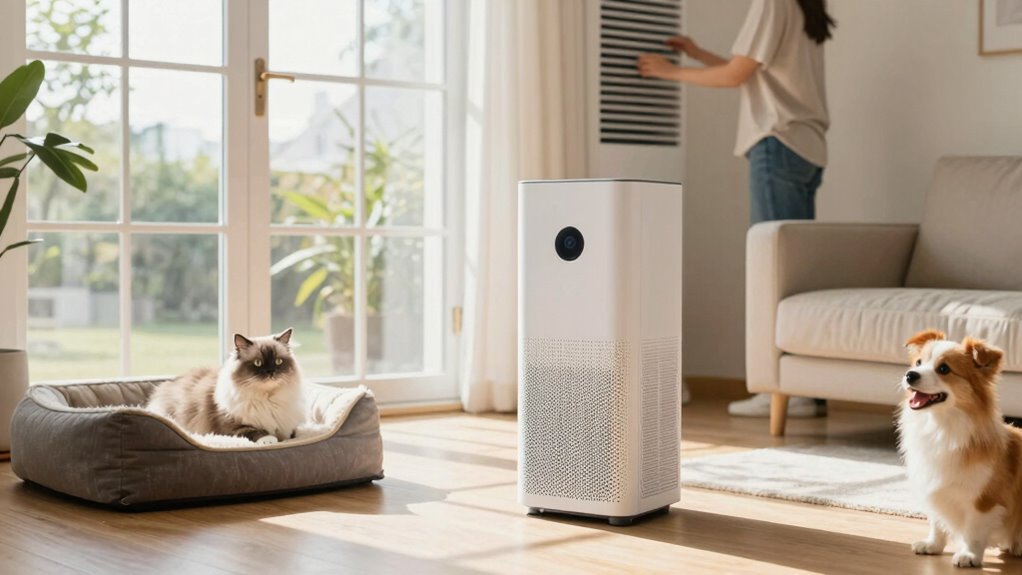
Air purifiers and proper ventilation are essential tools for reducing airborne pet dander. An air purifier benefits you by capturing tiny dander particles before they circulate, improving indoor air quality. Look for models with HEPA filters, as they effectively trap allergens. Ventilation strategies, like opening windows or using exhaust fans, help exchange indoor air with cleaner outdoor air, reducing dander buildup. Consistent airflow prevents particles from settling in one area and keeps allergens from accumulating. Combining an air purifier’s filtration with good ventilation creates a continuous cycle of cleaner air. This reduces your exposure to pet dander, alleviating allergy symptoms and creating a healthier environment for you and your pets. Proper airflow management is a simple yet powerful step toward dander control, especially when combined with an understanding of air quality improvements. Regularly maintaining your ventilation systems and choosing the right air quality tools can further enhance indoor air purity and allergen reduction. Additionally, paying attention to air circulation patterns ensures that fresh air reaches all parts of your home effectively. Incorporating these strategies creates a healthier indoor environment that minimizes allergen buildup and supports overall well-being. For optimal results, selecting high-quality filtration systems that target allergen particles can significantly improve your indoor air quality.

FURGONE Pet Hair Dissolver Washing Machine Cleaner Powder, 4 Sachets
- High Pet Hair Dissolution: Eliminates up to 96.7% pet hair
- Powerful Cleaning Formula: Removes stains, odors, and grime
- Fresh Basil Scent: Infused with natural fragrance
As an affiliate, we earn on qualifying purchases.
As an affiliate, we earn on qualifying purchases.
Choosing the Right Cleaning Tools for Pet Dander
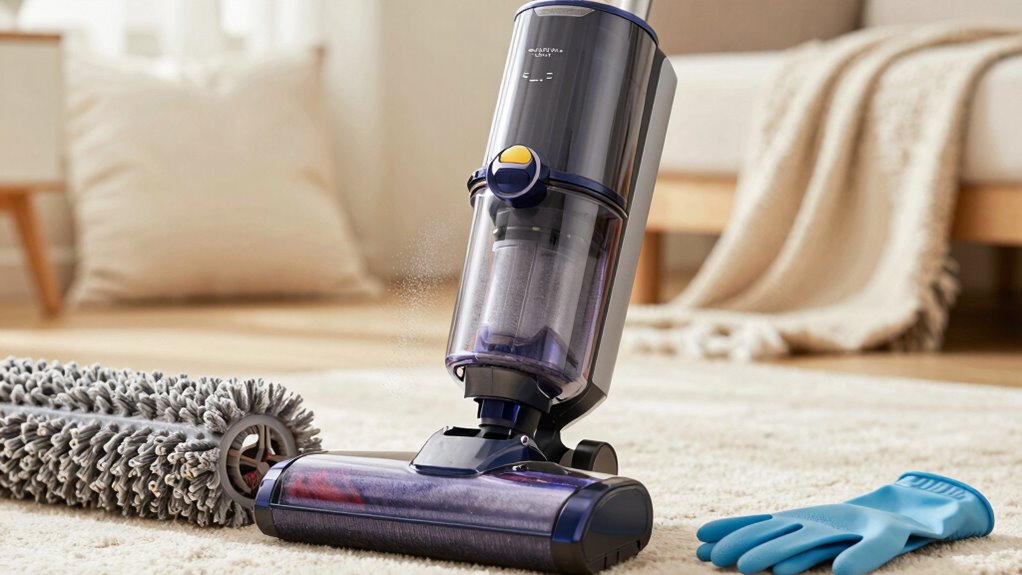
To effectively remove pet dander, you need the right cleaning tools. Look for vacuum attachments designed to trap pet hair and dander, ensuring a thorough clean. Additionally, hypoallergenic cleaning tools can help minimize allergens and protect your family’s health. Incorporating natural remedies and practices into your cleaning routine can further enhance the reduction of pet dander and promote a healthier living environment. Using tools with specialized filtration can also significantly improve air quality by capturing even the tiniest particles. Employing specific cleaning techniques can optimize dander removal and maintain a cleaner home environment. For example, choosing dog-friendly cleaning products that are non-toxic can help prevent skin irritation and allergies for both pets and humans. Regularly using air purifiers with HEPA filters can also help reduce airborne pet dander and improve indoor air quality.
Effective Vacuum Attachments
Choosing the right vacuum attachments is vital for effectively removing pet dander from your home. Look for tools that offer vacuum attachment versatility, allowing you to target different surfaces like upholstery, carpets, and tight corners. A variety of attachments—such as crevice tools and upholstery brushes—maximize cleaning efficiency. Regular attachment maintenance routines are essential; clean and inspect tools frequently to prevent buildup and maintain suction power. Properly maintained attachments ensure pet dander is captured effectively without spreading it around. Investing in specialized tools designed for pet hair and dander helps you get the most out of your vacuum, reducing allergens and improving air quality. Additionally, selecting energy-efficient tools can contribute to a more sustainable cleaning routine. With the right attachments and maintenance, you’ll make a noticeable difference in your home’s cleanliness and allergy relief.
Hypoallergenic Cleaning Tools
Selecting the right hypoallergenic cleaning tools is essential for effectively reducing pet dander and minimizing allergy symptoms. These tools are designed to trap pet allergen removal particles without dispersing allergens into the air. Use microfiber cloths and dusters, which attract and hold pet dander, instead of spreading it around. Consider tools with HEPA filters for vacuuming, as they capture tiny allergen particles. Here’s a quick comparison:
| Tool Type | Benefits |
|---|---|
| Microfiber Cloths | Trap pet dander, reusable and washable |
| HEPA Vacuum Attachments | Maximize pet allergen removal |
| Rubber Gloves | Dislodge pet dander during cleaning |
| Dander-Reducing Brushes | Minimize allergen dispersal |
Choosing hypoallergenic cleaning tools enhances pet allergen removal, making your space safer for allergy sufferers. Incorporating effective cleaning techniques can further improve allergen reduction efforts. Regular maintenance of these tools ensures they maintain their effectiveness over time. Using proper cleaning schedules can also help reduce pet dander buildup more efficiently, especially when combined with appropriate cleaning tools designed for allergen control.
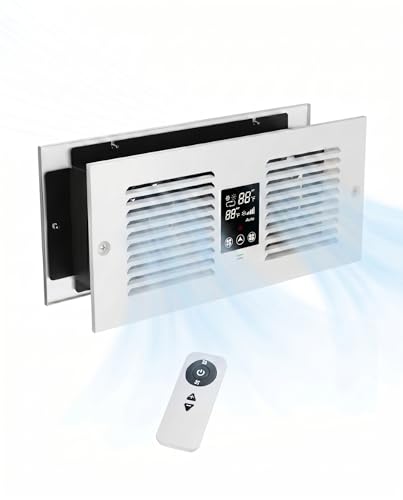
Apexicalo Hardwired Room to Room Fan, 300 CFM Through Wall Fan with Remote
- Installation Type: Hardwired for seamless wall integration
- Wall Compatibility: Fits wall thicknesses 3.8” to 7.4”
- Airflow Capacity: 300 CFM high-efficiency dual fans
As an affiliate, we earn on qualifying purchases.
As an affiliate, we earn on qualifying purchases.
Top Tips for Vacuuming and Upholstery Cleaning
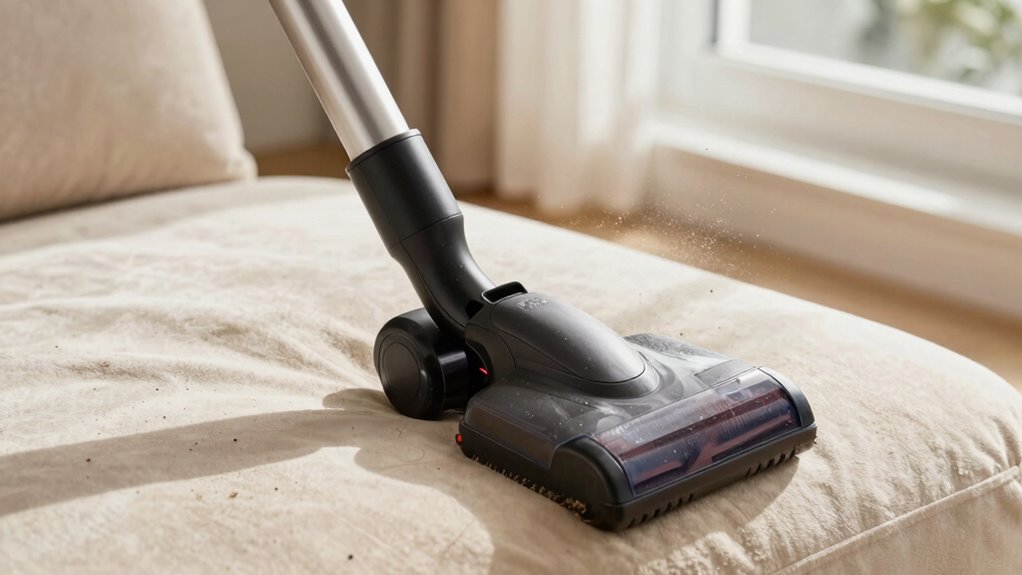
To keep pet dander under control, you need to master effective vacuuming techniques and upholstery cleaning strategies. Regular maintenance is key to preventing buildup and maintaining a fresh environment. I’ll share some simple tips to help you clean more efficiently and keep your home allergen-free. Using a vacuum with HEPA filters can significantly improve allergen removal, making your space safer for everyone. Additionally, understanding the top speed of your cleaning equipment ensures you cover all areas thoroughly without damaging delicate fabrics or surfaces. Incorporating regular deep cleaning routines can further reduce dander accumulation and improve overall air quality.
Effective Vacuuming Techniques
Effective vacuuming is essential for removing pet dander allergens from your home, especially from carpets and upholstery where these allergens tend to settle. To maximize results, use a vacuum with a HEPA filter, which traps tiny dander particles. Guarantee your vacuum is well-maintained, replacing filters regularly and checking for clogs to maintain suction power. Before vacuuming, clear the area of loose objects, and move slowly over surfaces to pick up stubborn dander. Pay special attention to seams, edges, and under furniture, where allergens often hide. Vacuum in multiple directions if possible, to loosen embedded dander. Regular vacuum maintenance and thorough techniques help reduce pet dander allergens effectively, improving air quality and easing allergy symptoms in your home. Additionally, choosing the right vacuuming techniques can make a significant difference in allergen removal.
Upholstery Cleaning Strategies
Upholstery often traps pet dander more than other surfaces, making regular cleaning essential. To effectively reduce dander, vacuum your furniture fabric thoroughly using a brush attachment. Focus on seams and crevices where dander hides. For stains, use a gentle cleaner suited for your furniture fabric, and always test first to prevent damage. Regular vacuuming combined with spot cleaning minimizes allergens and keeps your furniture fresh.
| Tip | Benefit |
|---|---|
| Use a HEPA filter vacuum | Captures tiny pet dander particles |
| Spot treat stains promptly | Prevents buildup and stains from setting |
| Vacuum under cushions | Removes hidden dander and debris |
| Rotate cushions regularly | Ensures even cleaning and reduces dander buildup |
Regular Maintenance Practices
Maintaining a regular cleaning schedule is essential for controlling pet dander buildup on your furniture and surfaces. Start by vacuuming frequently with a HEPA filter to effectively remove pet hair and dander. Pay special attention to upholstery and cushions, where dander tends to accumulate. Use brush attachments for pet hair removal to ensure thorough cleaning without damaging fabric. After vacuuming, clean your upholstery with appropriate fabric or upholstery cleaners to eliminate lingering scent and dander particles. Regularly wash pet bedding and cushion covers to reduce dander sources. This routine not only improves air quality but also prevents allergens from settling deeply into fibers. Consistent maintenance helps keep your home fresh, reduces allergy symptoms, and guarantees a healthier environment for both you and your pets.
Wash Bedding, Curtains, and Soft Furnishings Regularly
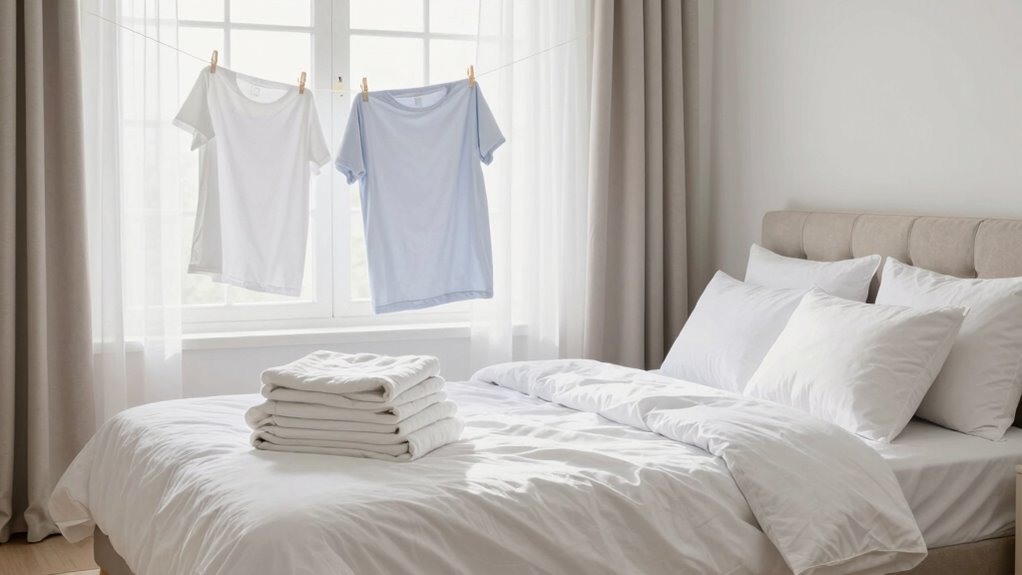
Regularly washing bedding, curtains, and soft furnishings is one of the most straightforward ways to reduce pet dander in your home. It keeps allergens at bay and improves air quality. Use proper laundry tips to ensure effective cleaning: wash at high temperatures, use allergen-reducing detergents, and dry items thoroughly. Pay attention to fabric care instructions to prevent damage. For soft furnishings that can’t be washed, consider vacuuming or steam cleaning. Regularly laundering these items minimizes dander buildup and helps create a healthier environment.
- Wash bedding weekly in hot water
- Use allergen-specific laundry detergents
- Vacuum curtains and soft furnishings frequently
- Steam clean upholstered furniture monthly
- Follow fabric care labels for safe cleaning
Groom Your Pets to Minimize Dander
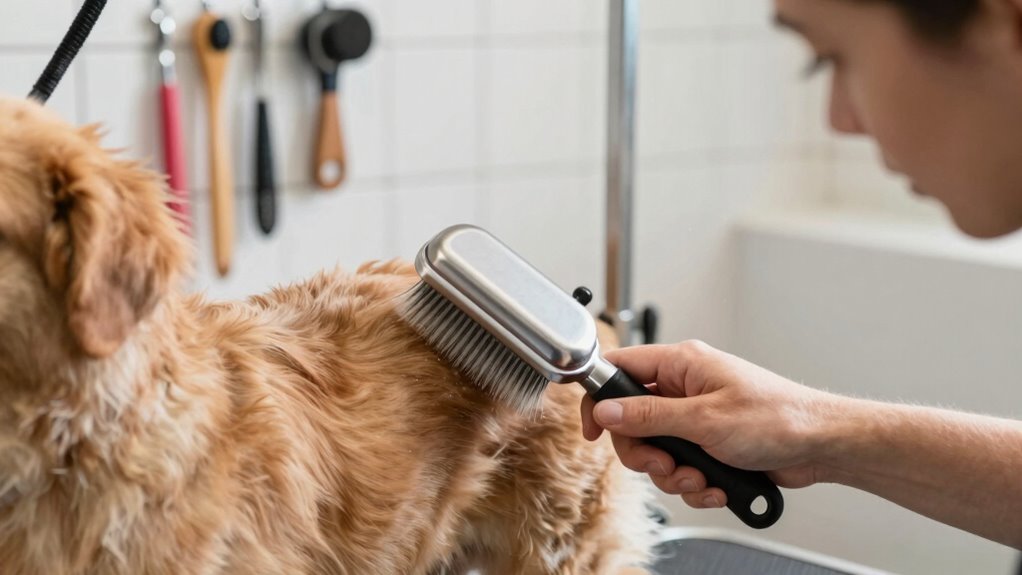
Grooming your pets regularly is one of the most effective ways to reduce the amount of dander they shed. Consistent pet grooming helps control dander by removing loose fur and skin flakes before they spread through your home. Use a quality brush suited to your pet’s coat type to maximize dander control. Bathing your pet with a vet-approved shampoo can also notably reduce dander levels, especially for animals with oily coats. Keep grooming sessions short and frequent to prevent excess shedding. Regular grooming not only minimizes airborne dander but also improves your pet’s skin health. By making pet grooming a routine, you actively limit pet dander in your environment, making your home cleaner and more comfortable for everyone.
Create a Cleaning Schedule to Keep Dander at Bay
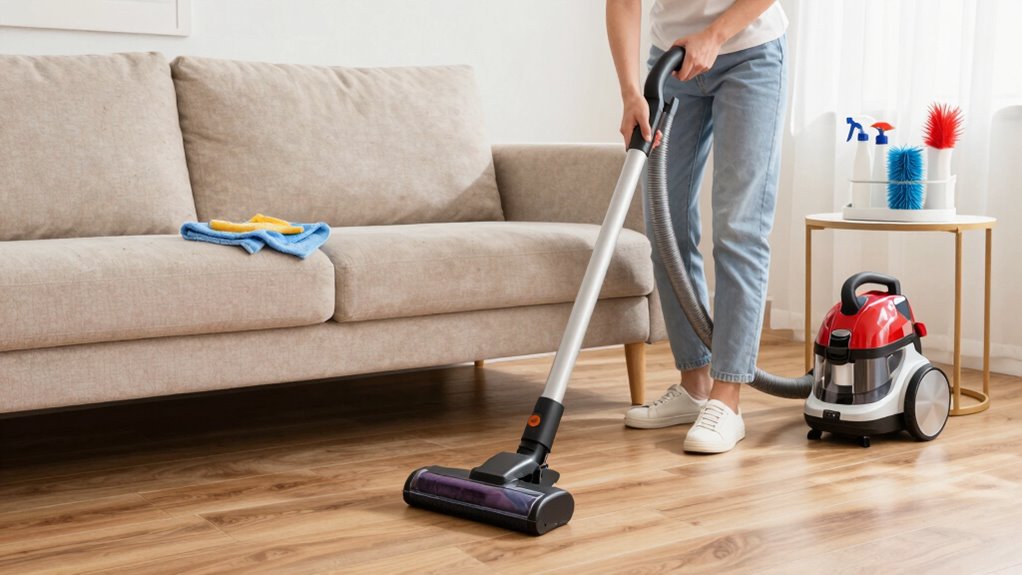
Creating a cleaning schedule is essential for keeping pet dander under control. Regular cleaning helps reduce pet dander allergens and targets common allergen sources. To stay ahead, set specific days for deep cleaning and daily tasks to maintain a dander-free environment. Consistency prevents allergen buildup and minimizes allergy symptoms.
Establish a consistent cleaning routine to effectively reduce pet dander and allergy symptoms.
- Vacuum carpets, rugs, and furniture weekly
- Wash pet bedding and blankets regularly
- Dust surfaces with a damp cloth frequently
- Clean curtains and soft furnishings to remove dander
- Use HEPA filters in your vacuum and air purifier
Sticking to this schedule keeps pet dander allergens from accumulating, making your home healthier and more comfortable. A routine ensures you consistently target allergen sources, reducing pet dander and improving air quality.
Common Mistakes That Undermine Pet Dander Reduction
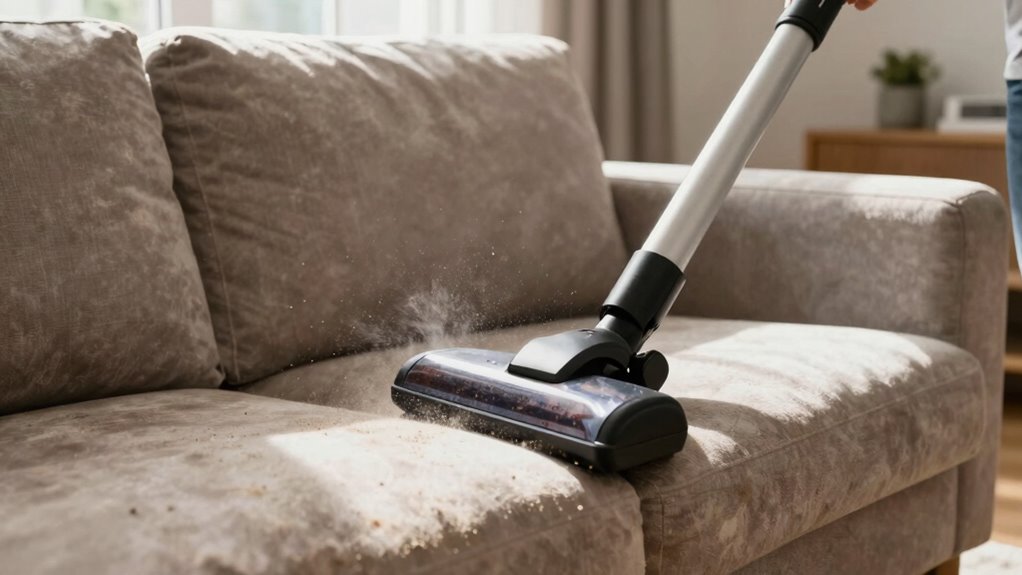
One common mistake that can sabotage your efforts to reduce pet dander is neglecting to clean hidden or overlooked areas where dander accumulates, such as behind furniture, under appliances, or inside vents. Skipping these spots allows dander to build up, making your cleaning less effective. Many people rely solely on air purifiers, but without regular cleaning, they can’t do all the work. Also, neglecting regular pet grooming increases dander in your home. Brushing your pet and bathing them reduces the amount of dander they shed, easing the burden on your cleaning routine and air purifiers. Remember, addressing hidden sources and maintaining pet grooming are key to truly reducing pet dander and improving your indoor air quality.
Tips for Breathing Easier in a Pet-Friendly Home
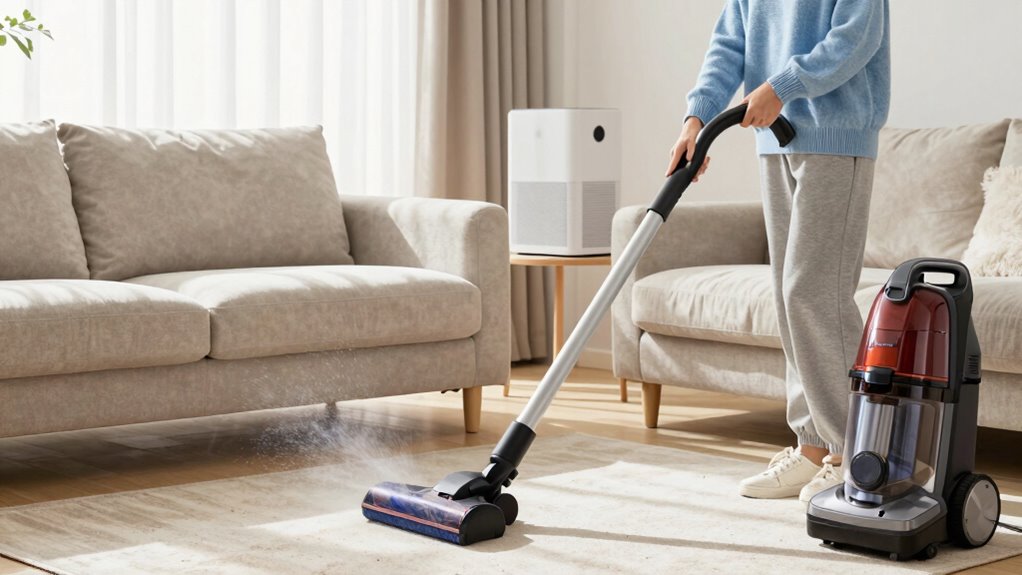
Breathing easier in a pet-friendly home requires more than just regular cleaning; it involves proactive strategies to minimize airborne dander and allergens. Focus on pet hair removal daily to reduce dander buildup and use allergen barriers like air purifiers and washable covers. Keep pet areas well-ventilated and wash bedding frequently to lower allergen levels. Consider investing in HEPA filters to trap tiny particles and minimize airborne allergens. Additionally, vacuum with a HEPA-equipped cleaner often to capture pet hair and dander effectively. Maintain a no-shoes policy indoors to prevent bringing in outdoor allergens. These steps create a healthier environment, making it easier to breathe comfortably while enjoying your pet’s company.
- Use HEPA filters in your HVAC system
- Wash pet bedding regularly
- Vacuum with a HEPA filter vacuum
- Implement allergen barriers like air purifiers
- Practice frequent pet hair removal
Frequently Asked Questions
Can Certain Pets Produce Less Dander Than Others?
Yes, certain pets produce less dander than others. hypoallergenic breeds are designed to shed less frequently, which helps reduce dander in your home. These breeds typically have a lower shedding frequency, meaning they release fewer skin flakes into the air. By choosing a hypoallergenic breed, you can minimize allergy symptoms and maintain a cleaner environment, making it easier to manage pet dander effectively.
Are There Specific Cleaning Products That Help Reduce Pet Dander?
Ever wonder if certain cleaning products make a difference? Yes, they do! Hypoallergenic sprays and enzyme cleaners can markedly reduce pet dander. Hypoallergenic sprays help neutralize allergens, while enzyme cleaners break down pet oils and dander stuck in carpets and upholstery. Using these products regularly, combined with vacuuming with a HEPA filter, creates a cleaner environment and minimizes allergy symptoms. Isn’t it worth trying for a healthier home?
How Long Does Pet Dander Stay Airborne After Cleaning?
Pet dander can stay airborne for up to a few hours after cleaning, depending on factors like airflow and humidity. The airborne particle duration varies with how thoroughly you clean and ventilate the space. To reduce this, open windows and use air purifiers right after cleaning. Your cleaning impact is significant; regular deep cleaning and proper ventilation help clear out airborne pet dander faster, creating a healthier environment for everyone.
Do Air Purifiers Eliminate All Pet Dander Effectively?
Air purifiers are highly effective, with some filtering out over 99% of pet dander particles. Their efficiency depends on the filtration system, especially HEPA filters designed for pet dander filtration. While they considerably reduce airborne allergens, no purifier eliminates all pet dander completely. To maximize results, use a purifier suited to your space size and maintain it regularly, ensuring continuous air quality improvement.
Can Diet Changes in Pets Reduce the Amount of Dander They Shed?
Diet modifications in your pets can help reduce dander shedding, especially if you choose allergy-friendly foods. When you switch to these foods, you support healthier skin and coat, which means less dander in your home. Regularly consult your vet about specific diet changes, as they can recommend ideal allergy-friendly options tailored for your pet. This proactive step can make a noticeable difference in managing pet allergies.
Conclusion
By embracing consistent cleaning routines and mindful choices, you can gently ease the invisible whispers of pet dander. It’s about creating a haven where every breath feels lighter, and the quiet comfort of your home remains undisturbed. With patience and care, you’ll find that even the tiniest steps can foster a space where you breathe easier, turning everyday chores into a tender act of nurturing your sanctuary.