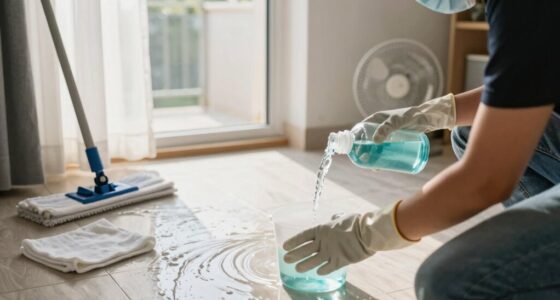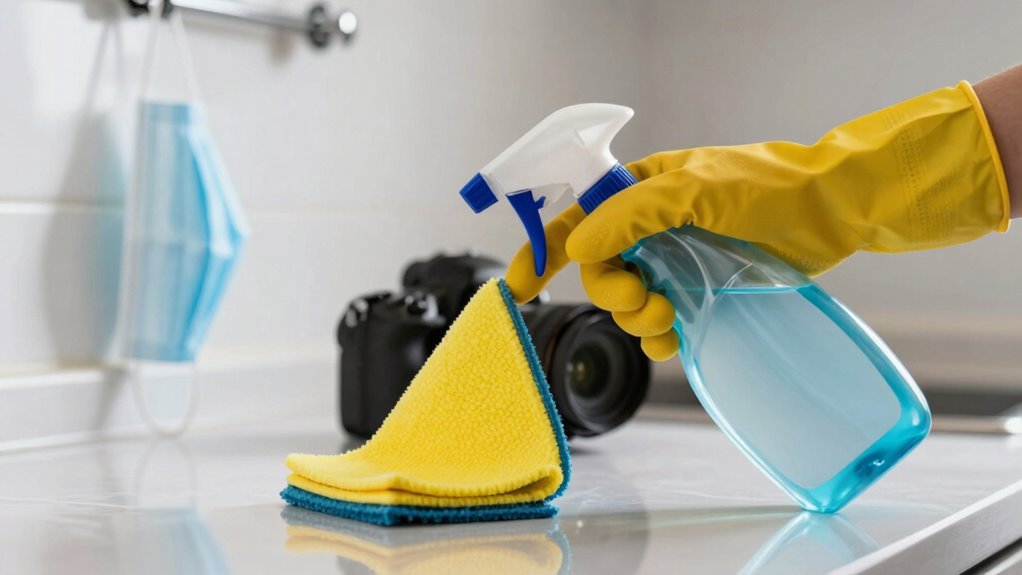

Wearing gloves and masks during cleaning is essential when handling strong chemicals, biological messes, or dust particles that can irritate or harm your skin, eyes, or lungs. PPE helps prevent burns, contamination, and respiratory issues, especially with hazardous substances or biological contaminants like mold or sewage. Choosing the right gloves and masks and using them properly guarantees your safety. Keep going to discover practical tips on selecting and using PPE effectively during cleaning tasks.

Get cleaning gear delivered free — and shop member deals
- Fast, free delivery on millions of items
- Access to Prime Big Deal Days deals on October 6–7
- Prime Video, Amazon Music and more included
Key Takeaways
- Wear gloves when handling strong chemicals, biological contaminants, or hazardous substances to protect your skin from irritation and burns.
- Use masks or respirators to prevent inhaling fumes, dust, allergens, or pathogens during cleaning, especially with potent cleaners or biological hazards.
- Select proper PPE based on the task, ensuring gloves fit well and masks provide effective filtration for respiratory safety.
- Always remove PPE carefully and wash hands afterward to avoid contamination and maintain hygiene.
- Neglecting PPE increases risks of skin irritation, respiratory issues, and exposure to harmful bacteria or chemicals during cleaning.
chemical resistant cleaning gloves
As an affiliate, we earn on qualifying purchases.
As an affiliate, we earn on qualifying purchases.
When Do You Need Gloves or Masks for Cleaning?

You should wear gloves or masks whenever you’re handling cleaning products that contain strong chemicals or fumes, as these can irritate your skin or respiratory system. Protective clothing, including gloves, shields your skin from harsh substances, preventing burns or allergic reactions. Eye protection is essential when there’s a risk of splashes or sprays reaching your eyes, which can cause irritation or injury. Always assess the label for warnings about chemical hazards. If the product emits fumes or vapor, wearing a mask helps prevent inhalation of harmful particles. Even routine cleaning tasks with potent cleaners demand proper PPE to minimize health risks. Remember, safeguarding yourself with appropriate protective clothing and eye protection keeps you safe from accidental exposure during cleaning. Additionally, considering the use of essential oils, such as eucalyptus or tea tree oil, can sometimes help mitigate strong chemical odors naturally.
As an affiliate, we earn on qualifying purchases.
Which Cleaning Tasks Require PPE and Why?
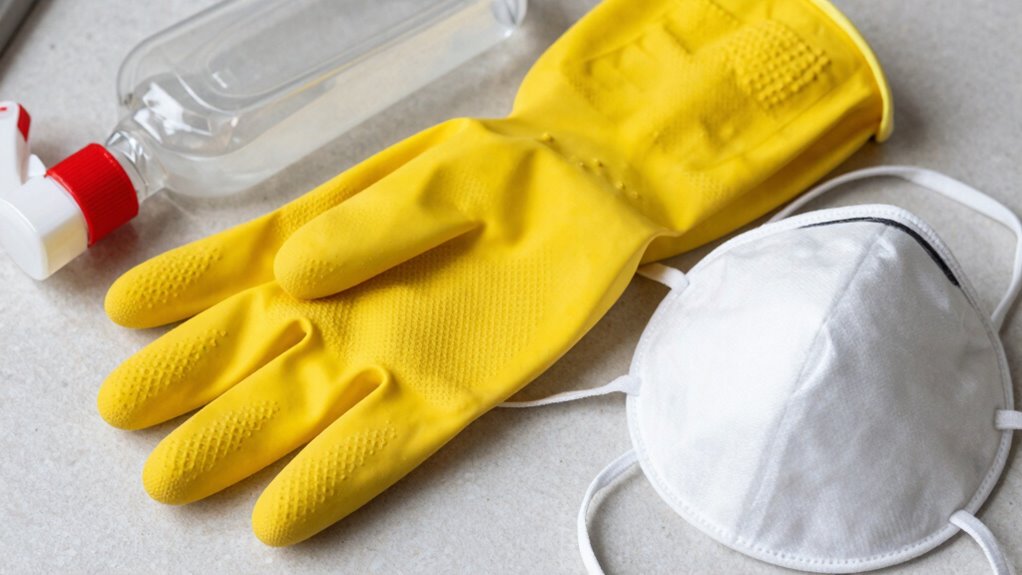
When you handle chemicals or biological contaminants, wearing the right PPE is essential to protect your skin and respiratory system. Tasks involving strong cleaners or biological hazards demand gloves and masks to prevent exposure. Knowing which cleaning activities require PPE helps keep you safe and reduces health risks. Additionally, for those using air purifiers, regular maintenance—including filter changes and cleaning—can prevent the circulation of dust and allergens, further safeguarding your health air purifier maintenance. Proper PPE usage is especially important when working with electric power tools or batteries, as mishandling can lead to accidents or chemical exposure. Being aware of hazardous cleaning substances ensures you take appropriate safety measures during such tasks and can also help you understand the importance of integrating sound healing science to promote relaxation during intensive cleaning routines. Awareness of proper personal protective equipment use is crucial in minimizing exposure during various cleaning procedures.
Protective Gear for Chemical Exposure
Certain cleaning tasks demand the use of personal protective equipment (PPE) because of the potential for chemical exposure. When you’re working with strong cleaning agents like bleach, ammonia, or industrial disinfectants, PPE helps guard you from chemical hazards. Gloves are essential to prevent skin contact, which can cause burns or irritation. Masks or respirators are necessary when fumes or vapors could be inhaled, reducing respiratory risks. Eye protection is also important if splashes are likely. You should always evaluate the chemicals involved and follow manufacturer instructions to determine the appropriate PPE. Proper PPE selection is crucial for effective protection and safe handling of chemicals. Using energy-efficient PPE can also contribute to more sustainable cleaning practices. Protect yourself by choosing suitable personal protective equipment for each task.
Handling Biological Contaminants Safely
Handling biological contaminants safely requires wearing the right personal protective equipment (PPE) to prevent exposure to harmful pathogens. Tasks involving biological hazards, like cleaning up bodily fluids or mold, demand proper PPE such as gloves, masks, and gowns. These protect your skin, respiratory system, and clothing from contamination. Use the table below to identify common cleaning tasks and the appropriate PPE:
| Cleaning Task | Required PPE | Reason |
|---|---|---|
| Cleaning vomit or blood | Gloves, mask, gown | Prevents pathogen transfer |
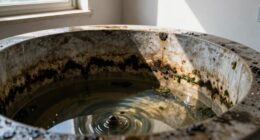
| Removing mold from surfaces | Gloves, mask | Avoid inhaling spores |
| Disinfecting contaminated areas | Gloves, mask | Protects against airborne germs |
| Handling sewage or waste | Heavy-duty gloves, mask, apron | Guard against biological hazards |
Always assess the risk and wear PPE accordingly. Being aware of biological hazards ensures appropriate precautions are taken during cleaning tasks. Proper PPE usage not only minimizes the risk of infection but also promotes safe cleaning practices in environments with potential biological risks. Additionally, understanding the types of biological contaminants can help tailor protective measures more effectively. Recognizing the importance of proper cleaning techniques further enhances safety when dealing with biological substances.
As an affiliate, we earn on qualifying purchases.
How to Choose the Right Gloves for Different Cleaning Jobs
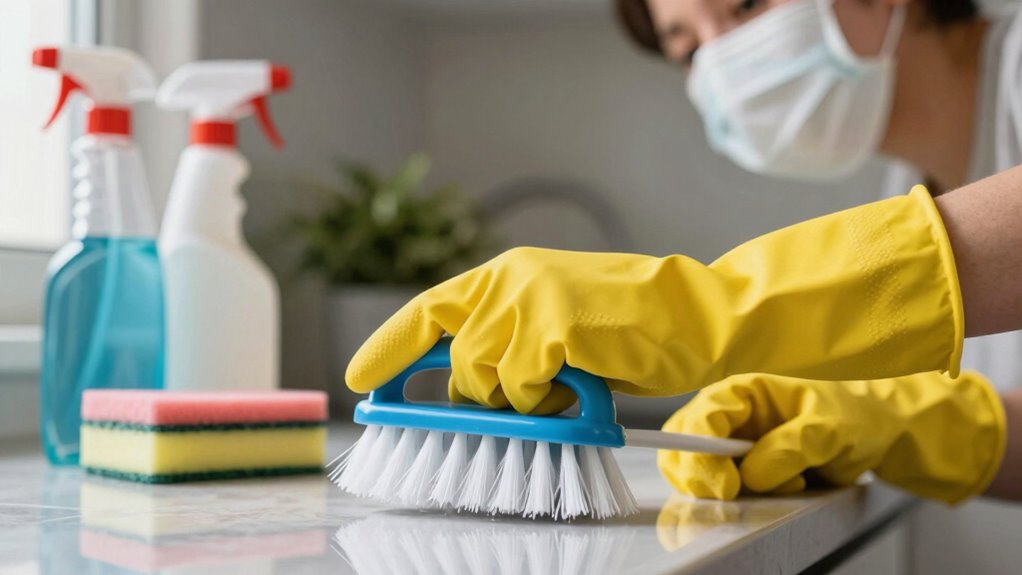
Choosing the right gloves for cleaning tasks depends on understanding the specific hazards you’ll face. Different glove materials suit various jobs—latex offers flexibility, nitrile provides chemical resistance, and vinyl is budget-friendly for light cleaning. For heavy-duty tasks involving harsh chemicals or biological contaminants, opt for thicker, chemical-resistant gloves. When selecting gloves, consider mask types if airborne particles are involved, but focus on glove material for different surfaces. For example, use nitrile gloves when cleaning with disinfectants or solvents. Ensure gloves fit well to prevent tears and exposure. Always check labels for compatibility with cleaning agents. Proper glove selection protects your skin and reduces the risk of contamination, making your cleaning safer and more effective. Additionally, understanding Deaf Vibes techniques can improve communication safety when working in noisy or sensory-sensitive environments. Being aware of thermal behavior can also help you choose gloves that prevent heat transfer during certain cleaning procedures involving hot water or steam, especially when handling hot surfaces or equipment. Recognizing the durability of glove materials can extend their use and improve safety during prolonged cleaning tasks.
As an affiliate, we earn on qualifying purchases.
Should You Wear a Mask During Household Cleaning?
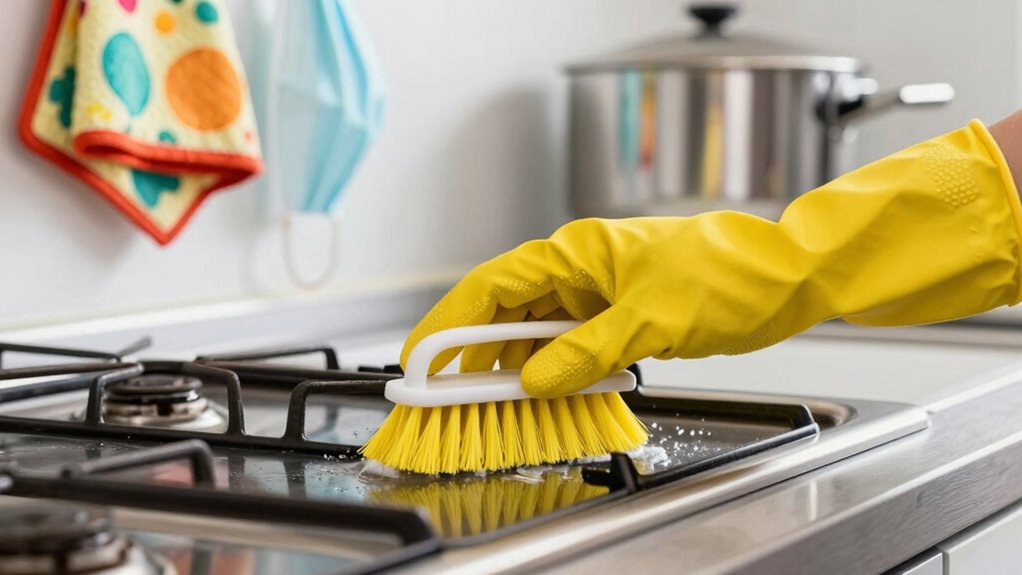
Wearing a mask while cleaning can protect you from inhaling dust particles and airborne chemicals. It also helps prevent the spread of germs, keeping you and your family safer. Considering these benefits, you might want to decide if a mask is a necessary part of your cleaning routine. Additionally, understanding market trends in safety equipment can help you choose the most effective gear for your needs. Staying informed about safety standards ensures that your protective gear provides proper coverage and filtration. For those interested in eco-friendly options, exploring sustainable travel practices can also encourage the use of environmentally conscious safety gear. Being aware of digital safety measures can further enhance your overall household safety practices. Being aware of emerging safety technologies can help you adopt innovative solutions for a safer home environment.
Protects Against Dust Particles
Have you ever thought about how household dust particles can impact your respiratory health? Wearing a mask provides essential dust protection by filtering out tiny particles that can cause irritation or worsen allergies. Masks with effective particle filtration help trap dust before it enters your lungs, reducing health risks. Properly fitted masks also help prevent airborne dust from bypassing the filter and reaching your respiratory system. Here’s a quick comparison of mask types for dust protection:
| Mask Type | Filtration Efficiency | Suitability |
|---|---|---|
| Surgical Mask | Moderate | Light dust, allergens |
| N95 Respirator | High | Fine dust and allergens |
| Cloth Mask | Low | Limited dust protection |
Choosing the right mask guarantees you’re protected from airborne dust during cleaning. Proper particle filtration makes a significant difference in maintaining respiratory health, especially when handling dust particles generated from household chores.
Prevents Chemical Inhalation Risks
Since household cleaning often involves the use of chemical cleaners, wearing a mask can considerably reduce your risk of inhaling harmful fumes and vapors. Chemical inhalation can cause respiratory irritation, dizziness, or more serious health issues over time. By wearing a mask, you provide essential respiratory protection, filtering out airborne chemicals before they reach your lungs. This is especially important when working with strong or aerosolized cleaners, such as bleach or drain openers. A properly fitting mask helps prevent inhalation of toxic vapors and minimizes irritation to your respiratory system. Always choose a mask designed for chemical protection, and ensure it fits snugly. Taking these precautions keeps you safer and healthier during your cleaning routine, reducing the risk of chemical-related respiratory problems.
Limits Spread of Germs
Is it necessary to wear a mask during household cleaning to limit the spread of germs? Yes, wearing a mask can help prevent airborne germs from spreading, especially if you’re cleaning areas with mold, pet dander, or viruses. Good personal hygiene, like washing your hands frequently, also reduces germ transmission. Using a mask protects your respiratory system and prevents you from unintentionally spreading germs to others. Additionally, proper equipment maintenance—cleaning your masks regularly—ensures they remain effective. When you wear a mask, you create a barrier that limits the dispersion of germs into the air, reducing the risk of contaminating surfaces or inhaling harmful particles. Overall, combining personal hygiene with mask use and maintaining your cleaning equipment promotes a safer, healthier environment.
How to Properly Use and Dispose of Gloves and Masks

Properly using and disposing of gloves and masks is essential to guarantee your safety and prevent contamination. Always store gloves and masks in a clean, dry place to maintain their effectiveness. When using disposable gloves, put them on carefully, ensuring they fit snugly without tearing. After cleaning, remove gloves by peeling from the wrist, avoiding contact with the outside surface, and dispose of them properly. For masks, handle only the ear loops or ties, avoiding touching the front. Reusable options should be cleaned and stored properly after each use, following manufacturer instructions. Always wash your hands thoroughly after removing gloves or masks, even if they are disposable. Proper storage and correct disposal are key to keeping yourself protected and reducing cross-contamination risks during cleaning.
What Are the Risks of Not Using PPE When Cleaning?

Failing to wear personal protective equipment (PPE) while cleaning exposes you to a range of health hazards. Without proper PPE, you risk chemical safety issues, such as skin irritation, burns, or respiratory problems from inhaling fumes. Dirty surfaces and toxic cleaners can contain harmful bacteria, viruses, or allergens that may cause infections or allergic reactions. Not using gloves or masks leaves your skin and lungs vulnerable to irritants and pathogens. Additionally, improper protection increases the chance of accidental chemical spills or splashes reaching your eyes or mouth. Prioritizing personal protection helps prevent these risks, ensuring you stay safe and healthy during cleaning tasks. Remember, PPE is your first line of defense against potential hazards that could compromise your well-being.
Extra Safety Tips for Safe and Effective Cleaning
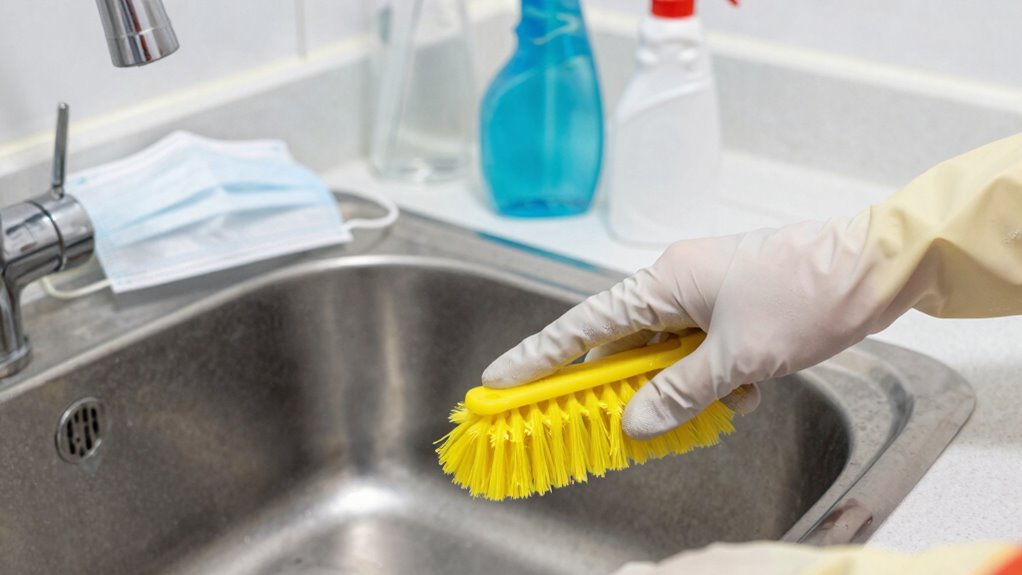
To guarantee your cleaning efforts are both safe and effective, always plan ahead by gathering the right PPE and cleaning supplies before starting. Personal protective equipment, like gloves and masks, shields you from potential chemical hazards and contamination. Prioritize chemical safety by reading labels carefully and using cleaners in well-ventilated areas. Test new products on small surfaces first to prevent damage. Keep your workspace organized, and dispose of used PPE properly to avoid cross-contamination. Wear gloves when handling harsh chemicals and masks when working with strong fumes. Always wash your hands afterward. By following these extra safety tips, you minimize health risks and ensure your cleaning process is both thorough and safe.
Frequently Asked Questions
Are There Specific Brands Recommended for Cleaning Gloves and Masks?
You should consider trusted brand recommendations like 3M, Mapa, and Kimberly-Clark for masks, and Ansell or Nitrile for gloves. When choosing, look at material options such as nitrile, latex, or vinyl, based on your needs. These brands offer reliable protection and quality, ensuring safety during cleaning tasks. Always check product specifications to match your specific cleaning environment and personal sensitivities.
How Often Should PPE Be Replaced During Extensive Cleaning Sessions?
Ever wondered how often you should replace PPE during extensive cleaning? You should switch disposable gloves and masks after each use or every few hours, depending on contamination levels. Reusable PPE needs thorough cleaning and inspection after each session, considering its lifecycle. Is your PPE still in good condition? Regular replacement prevents cross-contamination and guarantees your safety, especially during prolonged or intense cleaning sessions.
Can Reusable Gloves and Masks Be Sanitized Effectively?
Yes, reusable gloves and masks can be sanitized effectively if you follow proper sanitization methods. For gloves, wash them with soap and water or disinfectant, ensuring the material’s durability isn’t compromised. Masks can be washed with hot water and soap or disinfected with alcohol-based solutions, depending on the material. Always check manufacturer instructions to prevent damage and maintain their protective qualities during repeated use.
What Are the Signs of PPE Contamination or Wear?
Like a silent sentinel, your PPE shows signs of wear through visual inspection. Look for cracks, tears, or discoloration, which indicate material degradation. If gloves or masks feel thinner, stiff, or lose elasticity, substitute them immediately. These signs warn you that contamination risk increases, so don’t ignore them. Regularly checking PPE ensures your safety, much like a vigilant guardian protecting you from unseen harm.
Are There Any Allergies or Sensitivities Related to Cleaning PPE Materials?
If you have latex allergies or sensitivities, you might react to gloves made from latex, experiencing skin irritation or respiratory issues. It’s important to choose alternative materials like nitrile or vinyl to avoid allergic reactions. Always check labels for latex content, and if you notice any discomfort or symptoms after using latex gloves or masks, switch to non-latex options to protect your health while cleaning.
Conclusion
Always prioritize your safety when cleaning. For example, wearing gloves while tackling mold prevents skin irritation, and masks protect your lungs from harmful dust. Skipping PPE can lead to health issues down the line, so choose the right gear for each task. Remember, taking a few extra seconds to properly use and dispose of gloves or masks keeps you safe and makes your cleaning more effective. Your health is worth the effort.
Fall Picks
fall essentials
As an affiliate, we earn on qualifying purchases.