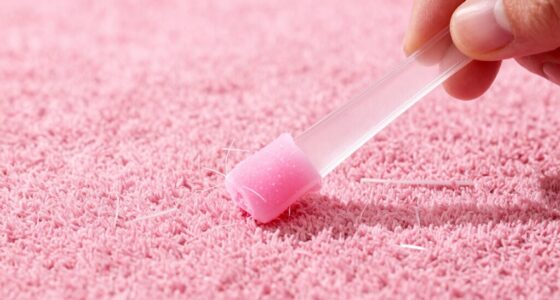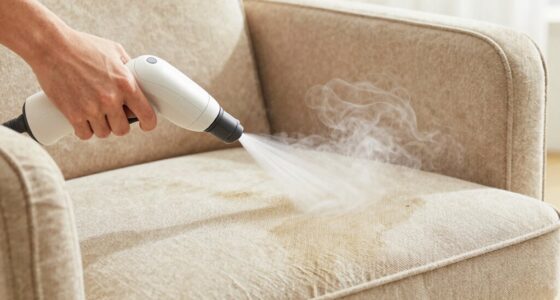
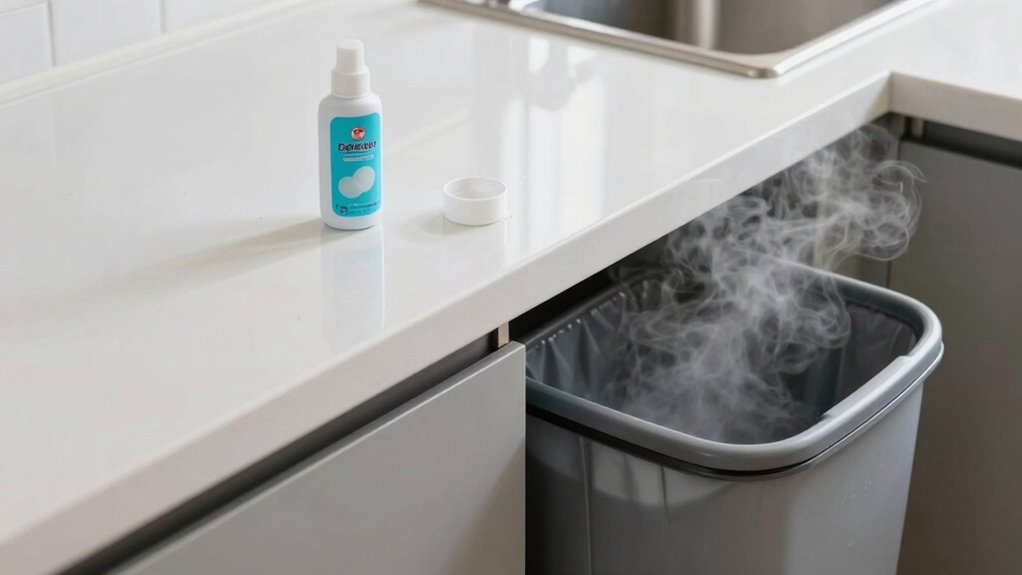
Cleaning for appearance focuses on making surfaces look shiny and spotless by wiping, scrubbing, and vacuuming visible dirt and grime. In contrast, cleaning for odor targets hidden sources of smells, like upholstery, carpets, and ventilation systems, using specialized products and deep cleaning methods. While good for quick visuals, appearance cleaning may not eliminate stubborn or airborne odors. To truly refresh your space, understanding these differences will help you choose the right approach—keep exploring to learn more.

Get cleaning gear delivered free — and shop member deals
- Fast, free delivery on millions of items
- Access to Prime Big Deal Days deals on October 6–7
- Prime Video, Amazon Music and more included
Key Takeaways
- Cleaning for appearance focuses on surface cleanliness and visual appeal, while cleaning for odor targets hidden sources and eliminates smells.
- Appearance cleaning involves visible techniques like wiping and vacuuming, whereas odor cleaning includes deep cleaning and odor-neutralizing products.
- Surface dirt removal improves looks, but odor cleaning addresses underlying causes like upholstery, carpets, and ventilation.
- Air purification and locating hidden odor sources are essential for effective odor removal, less relevant for appearance cleaning.
- Regular surface cleaning may suffice for appearance, but persistent odors require targeted, deep cleaning and odor control strategies.

Cleaning for appearance typically involves surface sanitization. You wipe down tables, scrub countertops, and vacuum or sweep floors to eliminate dirt and grime you can see. This process gives your space an immediate visual appeal, but it doesn’t necessarily address the root causes of odors. For example, you might clean the surface of a fridge but neglect the interior, where spoiled food can generate persistent smells. To effectively clean for appearance, you need to be thorough, paying attention to details like corners, hidden spots, and less obvious surfaces that trap dust and debris. It’s about making your space look good, which often involves visible cleaning products and techniques that create a shiny, fresh appearance.
On the other hand, cleaning for odor involves a different mindset. You need to identify and eliminate the sources of bad smells, which often aren’t visible. Air purification becomes a key part of this process—using air purifiers, opening windows, or adding odor absorbers like charcoal or baking soda to neutralize smells at their source. Surface sanitization is still important, but it extends beyond visible dirt. You might need to deep clean upholstery, carpets, and hidden crevices where odors tend to linger. Regular cleaning might remove surface dirt, but if odors persist, you’ll want to use specialized products designed to break down odor molecules. Sometimes, it’s about removing the cause altogether—like cleaning out trash cans, refreshing linens, or deodorizing ventilation systems. Additionally, understanding the source of odors can help target your efforts more effectively. Incorporating effective cleaning techniques can also make a significant difference in eliminating stubborn smells. Moreover, identifying hidden sources is crucial because odors often originate from places that aren’t immediately visible, requiring a more investigative approach. Using air purification methods can greatly enhance your ability to eliminate airborne odors that traditional cleaning might miss. Being aware of common odor sources can guide you in prioritizing your cleaning efforts.
As an affiliate, we earn on qualifying purchases.
Frequently Asked Questions
How Do Cleaning Methods Differ for Tough Stains Versus Odors?
When tackling tough stains, you focus on surface treatment and stain removal techniques, using stronger cleaners or scrubbing methods. For odors, you target the source with odor-neutralizing products or deep cleaning, often involving ventilation or enzyme treatments. Your approach varies: stains need direct removal, while odors require neutralization. Adjust your cleaning method accordingly, ensuring you address the specific issue effectively for both appearance and freshness.
What Products Are Best for Odor Elimination Without Cleaning Appearance?
You can banish odors effectively with products like activated charcoal, odor-eliminating sprays, or enzymatic cleaners that target the root cause. These products improve air quality and neutralize smells without altering the surface’s appearance. For a quick fix, scent masking sprays work wonders, but for lasting freshness, opt for enzymatic solutions. Your space will smell fresh enough to rival a spring breeze, all while keeping surfaces spotless.
Can Cleaning for Odor Harm Surface Materials or Finishes?
Cleaning for odor can potentially harm surface materials or finishes if you use harsh chemicals or incompatible products. You might cause surface damage or discoloration if the cleaning agents aren’t compatible with the material. Always check for material compatibility before applying any deodorizing product, and opt for gentle, odor-neutralizing cleaners designed specifically for the surface. This helps preserve the appearance and integrity of your surfaces while eliminating odors effectively.
How Often Should You Clean for Odor Compared to Appearance?
You should clean for odor more frequently than for appearance to maintain good air quality. Regularly addressing odors helps prevent buildup and keeps your space fresh, ideally once a week or as needed. Cleaning for appearance, like dusting or vacuuming, can be less frequent, maybe bi-weekly. Prioritizing odor control guarantees a healthier environment, making your home more inviting and comfortable without sacrificing your cleaning routine’s overall effectiveness.
Are There Eco-Friendly Options for Odor-Specific Cleaning?
Yes, you can use eco-friendly alternatives for odor-specific cleaning. Natural deodorization methods, like baking soda, white vinegar, and essential oils, effectively neutralize odors without harmful chemicals. These eco-friendly options are safe for your home and the environment, and they work well on persistent smells. Incorporate natural deodorization into your routine to maintain a fresh space while supporting sustainable cleaning practices.
odor neutralizing spray for upholstery
As an affiliate, we earn on qualifying purchases.
As an affiliate, we earn on qualifying purchases.
Conclusion
So, next time you clean, ask yourself—are you just making things look good, or are you truly tackling the smell? Remember, cleaning for appearance might hide odors temporarily, but cleaning for odor addresses the root cause. Isn’t it better to enjoy a space that looks fresh AND smells fresh? By understanding the difference, you can create a healthier, more inviting environment that appeals to all your senses. Why settle for just the surface when you can achieve real cleanliness?
As an affiliate, we earn on qualifying purchases.
As an affiliate, we earn on qualifying purchases.
Fall Picks
fall essentials
As an affiliate, we earn on qualifying purchases.