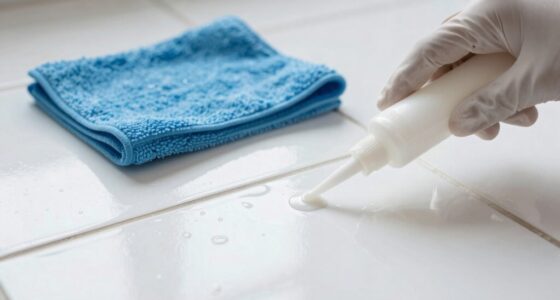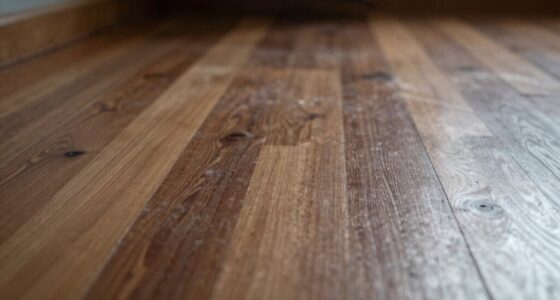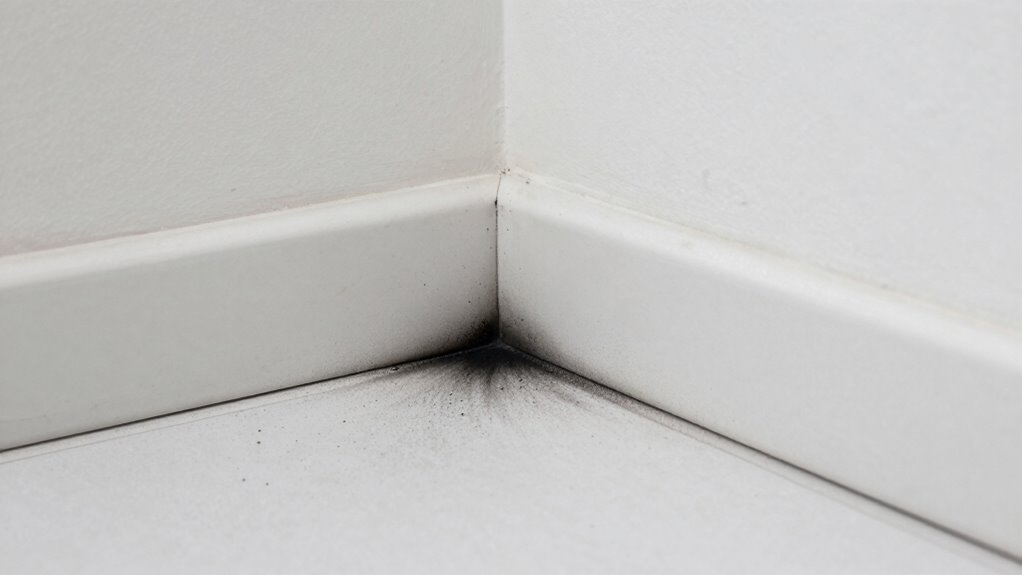

To clean candle soot from floors and baseboards without smearing, start by vacuuming the loose soot with a brush attachment. Use a slightly damp microfiber cloth or soot sponge, applying gentle, even pressure in one direction to lift the soot without smudging. Avoid over-wetting surfaces and resist scrubbing in circles. Patience and proper tools are key; if you want to learn more about effective, streak-free cleaning techniques, keep going.

Get cleaning gear delivered free with Prime
- Fast, free delivery on millions of items
- Prime Video, Amazon Music and more included
- Member-only deals all year
Key Takeaways
- Vacuum loose soot first using a brush attachment to prevent spreading during cleaning.
- Use a damp microfiber cloth with minimal moisture, wiping in a single direction to avoid smearing.
- Gently glide a soot sponge or soft brush over stubborn stains, applying light pressure.
- Test natural cleaners like vinegar and water on a small area before full cleaning to prevent damage.
- Dry surfaces thoroughly after cleaning to eliminate streaks and restore surface appearance.
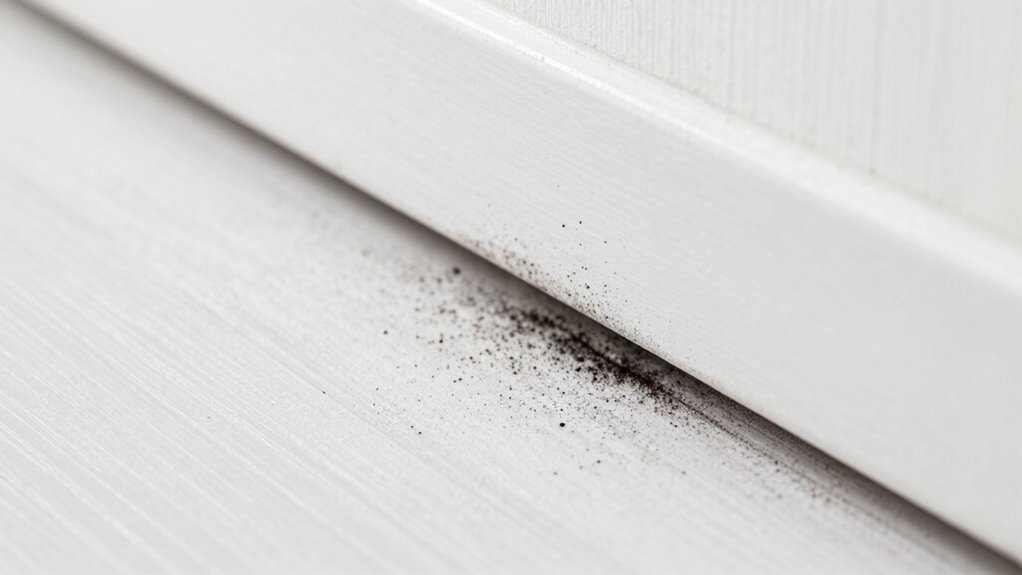
Have you ever noticed how candle soot can leave stubborn stains on walls, ceilings, or furniture? These dark, greasy marks can be frustrating to deal with, especially when they settle on floors and baseboards. The key to effective cleanup lies in using the right cleaning tools and mastering soot removal techniques that prevent smearing or spreading the stain further.
First, gather your supplies. You’ll want soft microfiber cloths, a vacuum with a brush attachment, gentle cleaning solutions like warm water mixed with a few drops of dish soap, and possibly a soot sponge or soft-bristled brush. Avoid abrasive tools that can scratch surfaces or push soot deeper into crevices. When tackling soot on floors and baseboards, start by vacuuming the area to remove loose particles. This step is *essential* because it prevents smudging during the wet cleaning process. Use the brush attachment to carefully lift off as much soot as possible before applying any liquids.
Gather microfiber cloths, a vacuum with brush, and gentle cleaning solutions before wiping soot from surfaces.
Next, choose your soot removal techniques carefully. Dampen a microfiber cloth with the soapy water solution—never soak it, as excess moisture can cause smearing or damage to delicate surfaces. Gently wipe the affected areas in a single direction, avoiding circular motions that can spread soot or push it into surface textures. For stubborn spots, you might need to repeat the process or use a soot sponge, which is designed to lift soot without smearing. Lightly glide the sponge over the stain, applying gentle pressure, and then wipe away residual soot with a clean, damp cloth.
For baseboards, pay attention to the edges and corners where soot often accumulates. Use a soft brush or a slightly damp cloth to reach into these tight spots without damaging paint or finish. If the soot persists, a mixture of white vinegar and water can be an effective natural cleaner—just test it on a small, inconspicuous area first. Always dry the cleaned surface thoroughly afterward to prevent streaks or water marks.
Additionally, understanding the importance of contrast ratio can help you evaluate the effectiveness of your cleaning efforts, as higher contrast ratios can make remaining soot less noticeable on surfaces. Throughout the process, remember that patience and gentle handling are *vital*. Rushing or using harsh scrubbing tools can smear soot, making cleanup more difficult. By employing proper cleaning tools and soot removal techniques, you can restore your floors and baseboards to their original clean state without spreading or smearing the stain. With a bit of care, candle soot will be just a distant memory, leaving your home fresh and spotless.
microfiber cloth for soot cleaning
As an affiliate, we earn on qualifying purchases.
As an affiliate, we earn on qualifying purchases.
Frequently Asked Questions
Can Candle Soot Damage My Flooring Over Time?
Candle soot can cause floor damage over time if left uncleaned, as soot accumulation can stain and degrade your flooring material. The longer soot sits, the more it can embed into surfaces, leading to discoloration and potential damage. To prevent this, clean soot promptly with gentle methods to avoid worsening the buildup or harming your floors. Regular maintenance will help preserve your flooring’s appearance and integrity.
Are There Eco-Friendly Cleaning Options for Soot Removal?
Did you know that over 70% of households prefer eco-friendly cleaning options? You can effectively remove soot using biodegradable cleaners or natural remedies like baking soda and vinegar. These options are gentle on your floors and the environment, avoiding harsh chemicals. Using eco-friendly cleaners not only keeps your home clean but also reduces your carbon footprint. So, opt for natural remedies for safe, effective soot removal that’s kind to the planet.
How Often Should I Clean Candle Soot From Floors?
You should clean candle soot from floors at least once a month to prevent excessive soot accumulation. Regular cleaning helps maintain a spotless appearance and minimizes soot buildup, which can become stubborn over time. If you notice more soot after candles are burned frequently, consider increasing cleaning frequency. Using gentle, eco-friendly cleaning methods guarantees you remove soot effectively without damaging your floors or creating smears.
Does Candle Soot Stain Different Types of Flooring Differently?
Ever wonder if candle soot leaves a different mark on your floors? Yes, it does—certain types of flooring, like porous surfaces, absorb soot more deeply, making stains harder to remove. Non-porous floors resist soot absorption, so stains are easier to clean. To protect your surfaces, identify your flooring type and clean gently to prevent smearing. Using the right cleaning method guarantees your floors stay beautiful without lingering soot stains.
Can Professional Cleaning Prevent Soot Buildup on Floors?
Yes, professional cleaning can help prevent soot buildup on your floors. Regular deep cleaning improves air quality by removing residual soot particles, which reduces soot accumulation over time. By maintaining a consistent cleaning schedule, you actively prevent soot from settling and spreading, ensuring your floors stay cleaner longer. This proactive approach not only keeps your home healthier but also minimizes the need for intensive cleaning later, promoting better soot prevention overall.
As an affiliate, we earn on qualifying purchases.
Conclusion
Cleaning candle soot from floors and baseboards doesn’t have to be stressful. Use gentle, effective methods to restore your space quickly and easily. Did you know that over 60% of households burn candles regularly? That means many of us face soot issues at some point. By following simple cleaning steps, you can keep your home looking fresh and soot-free without smearing or spreading residue. Keep these tips in mind for a cleaner, brighter home after candlelit evenings.
As an affiliate, we earn on qualifying purchases.
As an affiliate, we earn on qualifying purchases.
Halloween Picks
halloween
As an affiliate, we earn on qualifying purchases.