
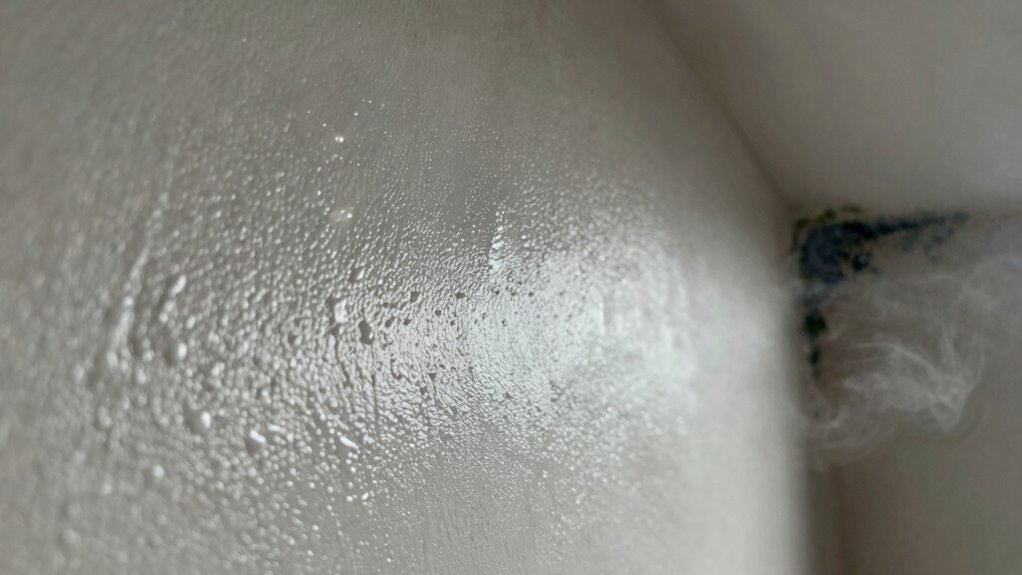

Reappearing odors in your home often mean moisture rather than dirt. When humidity levels rise, materials like wood and drywall absorb moisture, creating a perfect environment for mold. Mold emits a musty smell and can lead to health issues. Minor leaks or poor ventilation can trap moisture and worsen the problem. By understanding these connections, you can take steps to manage and eliminate odors effectively. There’s more to explore about preventing these issues in your home.

Get cleaning gear delivered free with Prime
- Fast, free delivery on millions of items
- Prime Video, Amazon Music and more included
- Member-only deals all year
Key Takeaways
- Persistent odors often signal moisture problems, as they can originate from mold growth rather than just dirt accumulation.
- Moist environments encourage the development of mold, which emits a musty smell indicative of moisture issues.
- Organic materials absorb moisture, facilitating odor retention and making it difficult to eliminate smells through surface cleaning alone.
- Hidden leaks or poor ventilation can trap humidity, leading to recurring odors that surface cleaning won’t resolve.
- Regular inspections of moisture-prone areas are essential to identify and address underlying moisture sources before odors return.
When you notice the persistent return of odors and moisture in your home, it’s not just an annoyance; it can signal deeper issues that need addressing. You might think that a quick clean-up will solve the problem, but often, it’s not about dirt or dust. Instead, it’s time to focus on moisture detection. Moisture is often the hidden culprit behind those persistent smells that seem to appear out of nowhere.
You may have experienced these odors coming from specific areas like your basement, bathroom, or kitchen. These places are more prone to moisture accumulation, creating a perfect environment for mold and mildew to thrive. If you ignore these signs, you could end up with a more significant problem, as the moisture sources can lead to structural damage and health issues.
Identifying odor sources starts with understanding the relationship between moisture and smell. When humidity levels rise, organic materials like wood and drywall can absorb that moisture, providing a breeding ground for mold. Mold not only emits a musty smell but can also trigger allergies and respiratory issues. If you’re constantly battling these odors, it’s essential to investigate the moisture levels in your home. You might consider using a moisture detection device to pinpoint the problem areas.
Look for leaks in plumbing, roofs, or windows—these can introduce unwanted moisture into your living space. Even minor leaks can lead to significant issues if left unchecked. You should also check your home’s ventilation. Poor airflow can trap humidity, exacerbating odor issues. Proper ventilation and air circulation can help mitigate moisture buildup and the odors that accompany it. Regularly inspecting your home’s sealants and weatherproofing can also prevent moisture intrusion.
Don’t forget about basements and crawl spaces. These areas often harbor higher levels of moisture due to their proximity to the ground. If you find that these spaces are consistently damp, consider using a dehumidifier to help control moisture levels. This can dramatically reduce the musty smells that seem to linger. Regularly monitoring humidity levels with humidity sensors can help prevent future moisture-related problems before they become severe. Additionally, maintaining consistent humidity levels can create an environment less conducive to mold growth and odor development.
Products Worth Considering

Levoit Eleva 300X HEPA Air Purifier for Home and Bedroom

Philips Hue Secure Wired Video Doorbell, 2K, Black

Samsung 85-Inch M70H Series Mini LED 4K Smart TV (2026)
As an affiliate, we earn on qualifying purchases.
Frequently Asked Questions
How Can I Identify the Source of the Odor?
To identify the source of the odor, start using odor detection techniques like sniff tests and visual inspections. Look for damp areas or signs of mold, as they often indicate moisture. Utilize moisture assessment tools, such as a moisture meter, to check walls and floors. If you still can’t locate the source, consider professional help; they can pinpoint hidden issues that might be causing the persistent odor in your space.
What Types of Moisture Cause Odors?
Damp basements and plumbing issues might seem like cozy spots, but they’re often breeding grounds for odors. Mold growth thrives in these environments, fueled by high humidity levels and pesky water leaks. You’ll notice that condensation problems can also contribute to musty smells, turning your home into a less-than-pleasant haven. So, while you might think it’s just dirt, it’s really moisture causing those unwelcome scents. Keep an eye on that dampness!
Are There Specific Odors Linked to Certain Moisture Issues?
Yes, certain odors are linked to specific moisture issues. For instance, if you notice musty smells, it often signals mold growth due to damp surfaces. Poor ventilation issues can exacerbate these odors, allowing moisture to linger and create a breeding ground for mold. By addressing ventilation and drying affected areas, you can eliminate these unpleasant smells and prevent mold growth from recurring in your space.
How Can I Prevent Odors From Returning?
To prevent odors from returning, you should focus on effective odor elimination techniques and moisture control strategies. Start by regularly cleaning areas prone to dampness, like basements and bathrooms. Use dehumidifiers to keep humidity levels low and guarantee proper ventilation. Seal any leaks or cracks to stop moisture intrusion. Additionally, consider using absorbent materials like activated charcoal to capture odors, making sure your space remains fresh and dry. Regular maintenance keeps unpleasant smells at bay!
Is Professional Help Necessary for Moisture Problems?
Yes, professional help is often necessary for moisture problems. You might not have the right tools for moisture detection, and hidden issues can lead to bigger headaches. Professional services can accurately identify the source of moisture and provide effective solutions. They’ve got the experience to tackle these problems efficiently, ensuring your space stays dry and odor-free. Don’t hesitate to reach out if you suspect moisture is affecting your home.
Conclusion
To sum up, if you’re dealing with persistent odors, it’s likely linked to moisture rather than just dirt. A staggering 60% of indoor air quality issues stem from excess humidity, which can lead to mold and mildew growth. By addressing moisture sources, you can eliminate those pesky smells for good. So, keep an eye out for leaks or dampness, and tackle those issues head-on to create a fresher, healthier living space.