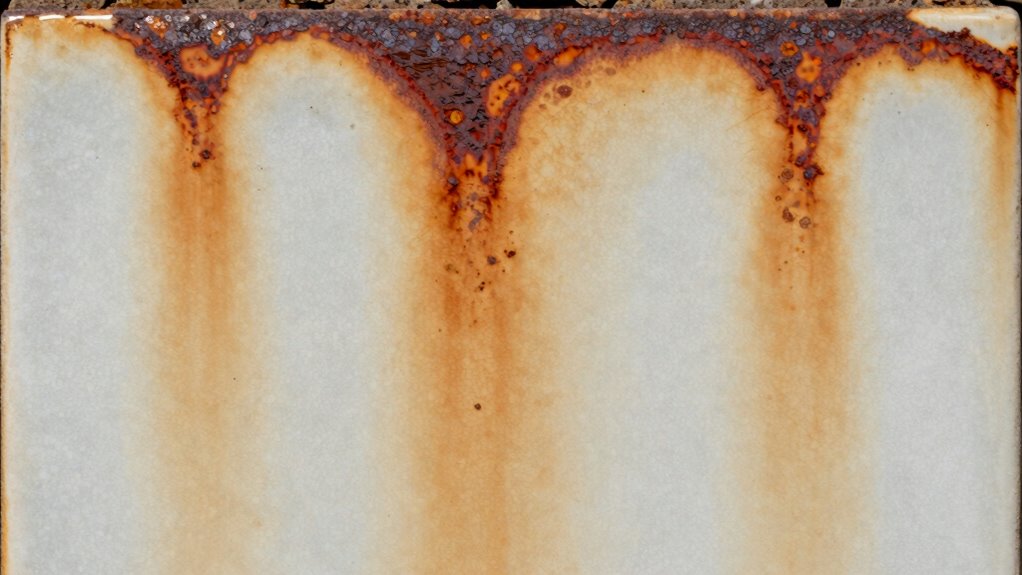

To safely remove rust stains from tiles without damaging the surface, start by testing gentle solutions like lemon juice or vinegar on a small, hidden area. These natural remedies contain acids that loosen rust without harming most tiles when used properly. Avoid harsh chemicals and abrasive tools. Using biodegradable commercial rust removers labeled safe for tile can also help. If you want to learn more about protecting your surfaces while removing stains, keep exploring these tips.
Key Takeaways
- Test cleaning solutions on small, hidden areas to ensure they won’t damage the tile surface.
- Use pH-neutral or gentle natural remedies like lemon juice or vinegar for rust stain removal.
- Avoid harsh acids, abrasive scrubbers, or strong chemical cleaners that can erode or discolor tiles.
- Consider sealing or applying protective coatings to prevent future rust stains and safeguard the surface.
- Regularly inspect and maintain tiles to catch rust early and use gentle cleaning methods for ongoing care.
Why Rust Stains Appear on Tiles and How to Recognize Them
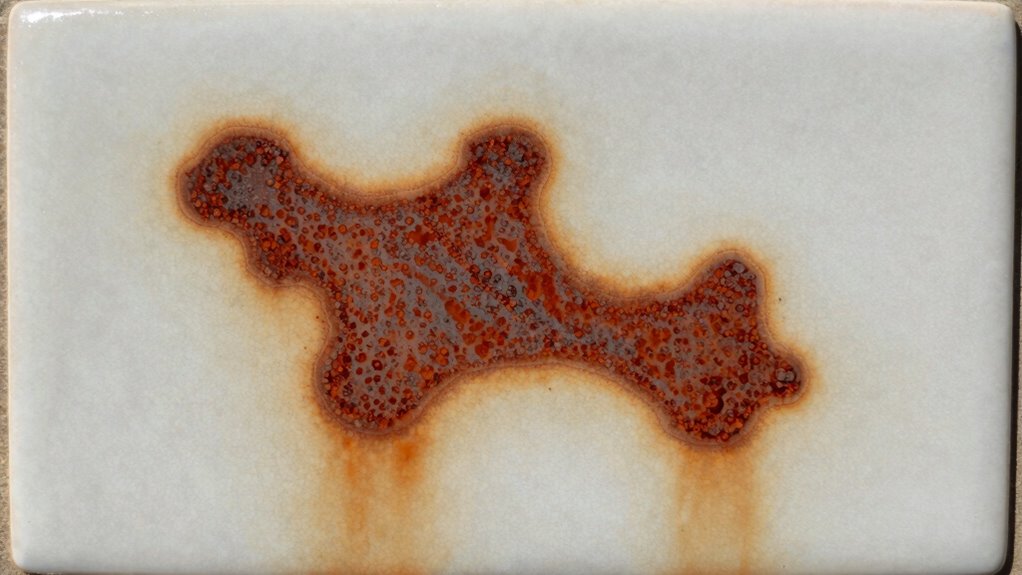
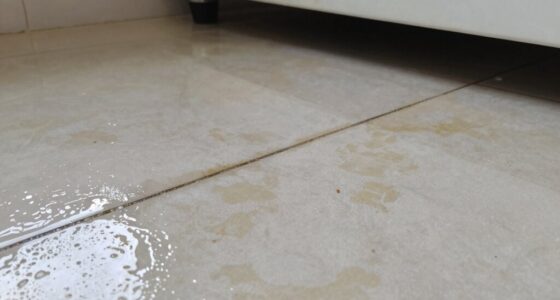
Rust stains on tiles often occur when metal objects, like pipes or fixtures, corrode and release iron particles that settle on the surface. Metal corrosion is a common cause, especially in humid environments or areas with water contact. The staining causes these iron particles to react with moisture, creating a reddish-brown residue that adheres to tiles. Recognizing rust stains is straightforward: they usually appear as irregular, rusty marks with a distinct reddish hue. Unlike other stains, rust is often persistent and may feel slightly rough or textured when touched. If you notice these signs near plumbing fixtures or metal fittings, it’s likely rust caused the discoloration. Understanding these staining causes helps you identify rust stains early and take appropriate cleaning steps. Additionally, proper maintenance of metal fixtures can help prevent future rust formation and staining on tiles, and ensuring good ventilation can reduce humidity levels that accelerate corrosion. Regularly inspecting and addressing metal corrosion can further minimize the risk of rust stains developing over time.
How to Check If Your Tile Can Handle Different Cleaning Agents

Before applying any cleaning agents to your tiles, it’s essential to determine whether they can withstand different chemicals without damage. Start by testing the cleaner on a small, inconspicuous area first. If your tiles have been sealed, check the sealant’s recommendations, as sealed surfaces often resist staining and are more tolerant of various cleaners. Avoid harsh acids or abrasive scrubbers that can strip tile sealing or scratch the surface. Also, consider the type of tile—ceramic, porcelain, or natural stone—as each reacts differently to chemicals. Proper testing helps prevent surface damage and supports stain prevention. When in doubt, opt for pH-neutral cleaners designed for tiles, ensuring you protect your surface while effectively removing rust stains. Additionally, understanding the connected home fitness market can help you make informed decisions about incorporating smart technology into your cleaning routines and home environment. Being aware of the natural pool options and their maintenance needs can also influence your choice of cleaning products to ensure compatibility and sustainability. Incorporating Indigenous wellness principles can further enhance your approach by encouraging the use of natural and eco-friendly cleaning methods that respect your environment.
Gentle Ways to Remove Rust Stains Without Damaging Your Tiles
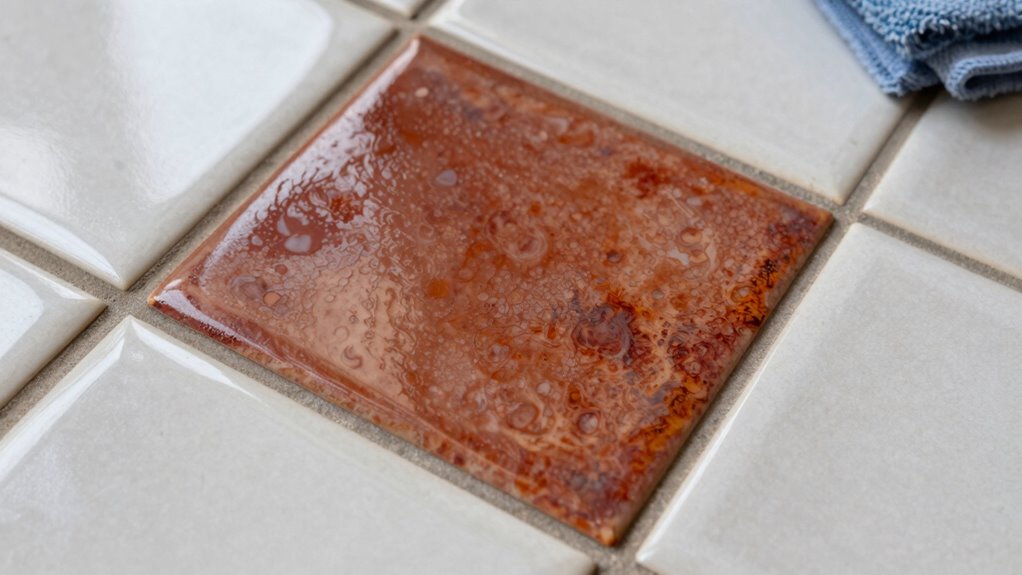
To remove rust stains gently, start with non-abrasive cleaners that won’t scratch your tiles. You can also try natural remedies, but always apply them carefully to avoid damage. Remember to test any method on a small, hidden area first to guarantee it won’t harm your surface. For stubborn stains, consider using mild cleaning agents that are specifically formulated for delicate surfaces like tile. Incorporating proper cleaning techniques can also help prevent future stains and extend the life of your tiles.
Use Non-Abrasive Cleaners
When removing rust stains from your tiles, choosing gentle cleaners is essential to avoid damaging the surface. Non-abrasive options protect your tiles while effectively removing stains. Start by using soft cleaning tools like microfiber cloths or sponges to prevent scratching. Consider sealant options that create a protective barrier, making future stains easier to remove. Here are some effective methods:
- Use mild dish soap mixed with warm water for light stains.
- Apply a paste of baking soda and water gently with a soft cloth.
- Opt for commercial non-abrasive tile cleaners formulated for delicate surfaces.
Additionally, understanding safe operating procedures can help you choose the right tools and techniques to avoid surface damage during cleaning. These approaches ensure your tiles stay intact while rust stains fade away, maintaining their appearance and longevity.
Apply Natural Remedies Carefully
Natural remedies can be gentle and effective for removing rust stains from your tiles, but it’s important to apply them carefully to avoid damage. Use soft cloths or sponges and avoid abrasive scrubbing, which can scratch the tile surface. Applying natural solutions like lemon juice or vinegar directly onto the stain helps lift rust without harming your tiles. After treatment, consider sealing the tile with a quality tile sealing product to prevent future rust stains and enhance rust prevention. Proper sealing creates a barrier that inhibits moisture and rust-causing elements from penetrating the surface. Be patient and gentle during application, and always follow up with a gentle rinse. Using proper cleaning methods and avoiding harsh chemicals ensures your tiles stay pristine while effectively removing rust stains naturally.
Test on Small Areas
Before applying any rust-removal method to your tiles, it is vital to test it on a small, inconspicuous area first. This creates a test patch that helps you assess stain visibility and prevent surface damage. To do this effectively:
- Apply a small amount of your chosen treatment to a hidden corner.
- Wait 5-10 minutes to observe any color change or surface reaction.
- Check for stain visibility and surface integrity before proceeding further.
- Keep in mind that support breakfast options can sometimes influence the choice of cleaning products, especially if they contain natural or gentle ingredients. Being aware of surface compatibility ensures you select the safest method for your tiles.
This step ensures the method won’t harm your tiles or worsen the stain. If the test patch shows no damage and the stain lightens, you can confidently treat the larger area. Always prioritize safety and gentle techniques to preserve your tile’s surface.
Are Natural Remedies Like Lemon and Vinegar Effective for Rust Stains?
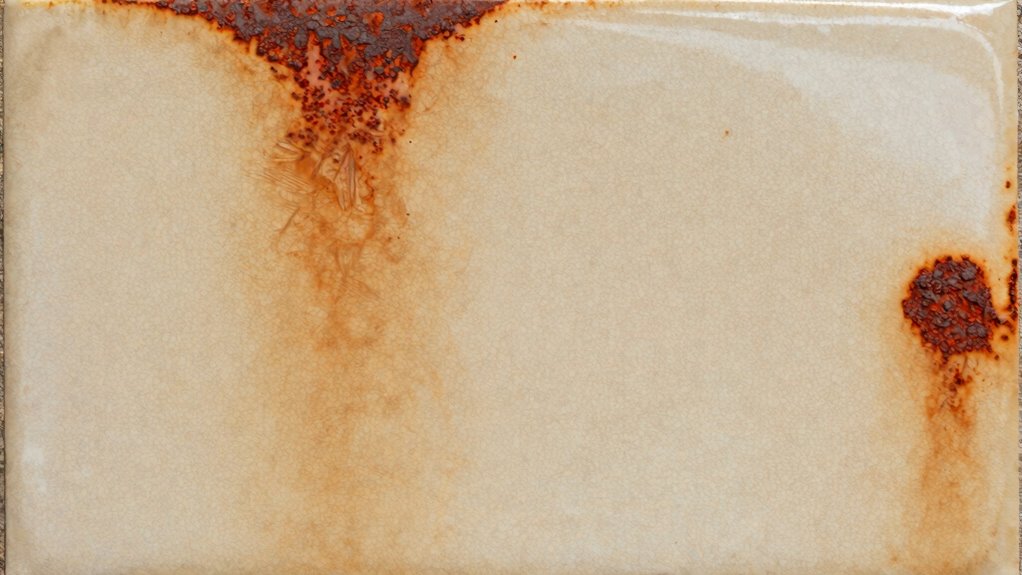
You might wonder if natural remedies like lemon and vinegar can effectively remove rust stains from your tiles. While lemon’s acidity can sometimes lift stains, vinegar’s rust-removing power varies and may require repeated applications. It’s also important to contemplate surface safety to avoid damaging your tiles while trying these natural solutions. Additionally, understanding chemical reactions involved can help you choose the most effective and safe method for your specific surface. Proper surface testing before full application can prevent unintended damage and help determine if natural remedies are suitable. Conducting a personality assessment of your cleaning approach can further ensure you select the most compatible method for your tile surface. Recognizing the differences in surface materials can guide you in selecting the safest and most effective rust removal technique.
Effectiveness of Lemon Juice
Lemon juice is often touted as an effective remedy for rust stains because its natural acidity can help break down the rust particles. Its pH levels, typically around 2, make it acidic enough to loosen rust from tile surfaces. Here’s how it works:
- The citric acid in lemon juice reacts with the rust, softening it for easier removal.
- Applying lemon juice directly onto the stain allows the acid to penetrate the rust particles.
- Letting it sit for 10-15 minutes enhances its effectiveness before scrubbing gently.
While natural, lemon juice’s effectiveness can vary based on the stain’s age and severity. It’s a gentle option that’s less likely to damage your tile surface when used properly.
Vinegar’s Rust-Removing Power
Vinegar is a popular natural remedy for rust stains because its acetic acid can help break down rust particles on tile surfaces. When used properly, vinegar can be an effective tool in rust removal without damaging your tile. Regular tile maintenance, including prompt stain treatment, helps prevent rust buildup, making your surfaces easier to clean over time. While vinegar isn’t a long-term rust prevention solution, it’s useful for tackling existing stains without harsh chemicals. To maximize its effectiveness, soak a cloth in vinegar and apply it directly to the stain, allowing it to sit for a few minutes before scrubbing gently. Remember, consistent tile maintenance combined with natural remedies like vinegar can keep your surfaces rust-free and looking their best.
Surface Safety Considerations
Natural remedies like lemon and vinegar are popular choices for removing rust stains from tile because they’re considered safer alternatives to harsh chemicals. However, before applying these solutions, proper surface preparation is essential. You should clean the tile thoroughly and test a small area to guarantee no damage occurs. When using natural remedies, keep in mind that:
- Acidic substances can weaken unsealed or poorly sealed tiles.
- Always rinse the area thoroughly to prevent residue buildup.
- Regular tile sealing helps protect against future rust stains and makes cleaning easier.
- Consulting professional cleaning methods can provide additional guidance for delicate surfaces.
While lemon and vinegar can be effective, their success depends on the surface’s condition. Proper surface preparation and maintaining a good tile sealing routine are vital to avoid surface damage and prolong the life of your tile.
What Are the Best Safe Commercial Rust Removers for Tiles?

When choosing a commercial rust remover for tiles, safety is just as important as effectiveness. Look for products that are specifically labeled safe for tile surfaces and avoid harsh acids that can damage the surface or worsen metal corrosion. These cleaners often contain mild, biodegradable ingredients that help preserve your tile’s finish while tackling rust stains. To help you decide, here’s a quick comparison:
| Product Name | Safety for Tiles | Effectiveness | Key Ingredients |
|---|---|---|---|
| Rust-Oleum Rust Stain Remover | Yes | High | Organic acids |
| CLR Calcium, Lime & Rust Remover | Yes | Moderate | Citric acid, surfactants |
| Iron Out Rust Stain Remover | Yes | High | Oxalic acid |
| Bar Keepers Friend Powder | Yes | Moderate | Oxalic acid |
| Evapo-Rust Liquid | Yes | High | Chelating agents |
Choosing gentle, tile-safe options helps prevent damage and maintain your tile and surface integrity over time. It is also beneficial to look for products that are biodegradable, which reduces environmental impact and minimizes potential harm to your surfaces. Additionally, selecting products with safe ingredients can further reduce the risk of surface degradation. Proper selection of rust removers ensures your surfaces stay intact and free from damage over time.
How to Test Cleaning Products Safely on a Small Tile Area
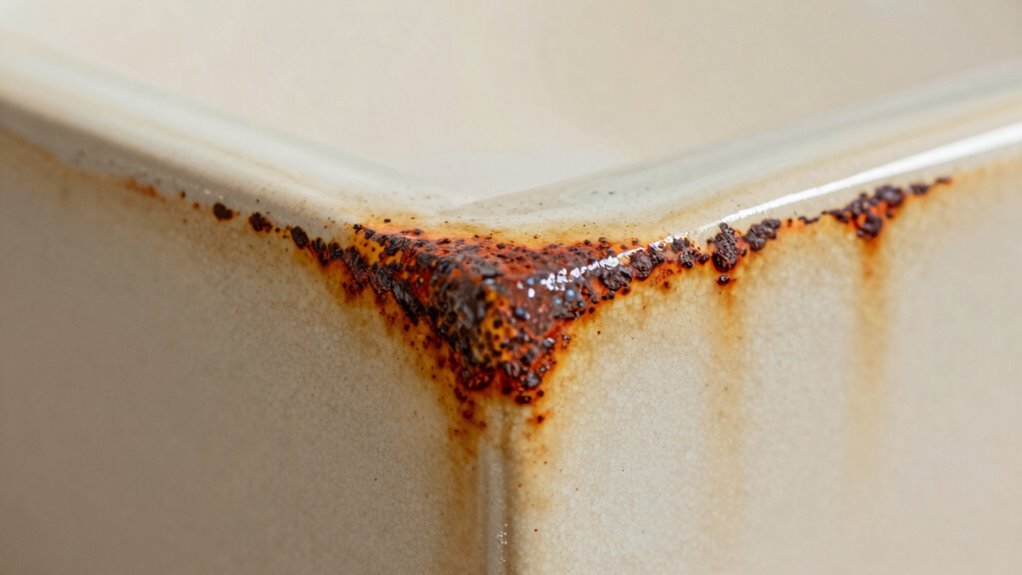
Before applying any cleaning product to your entire tile surface, it’s essential to test it on a small, inconspicuous area first. Start by pH testing the cleaner to verify it’s not too acidic or alkaline, which could damage your tile. Next, perform stain identification by comparing the stain’s reaction to the cleaner—some stains may react differently. Then, apply a small amount of the product to a hidden section of the tile. Wait 5-10 minutes and observe for any discoloration, surface damage, or color change. This process helps you determine if the cleaner is safe for your tile and effective against the stain without risking widespread damage. Always follow up with water rinsing after the test.
Step-by-Step: Removing Rust Stains From Tiles Safely and Effectively
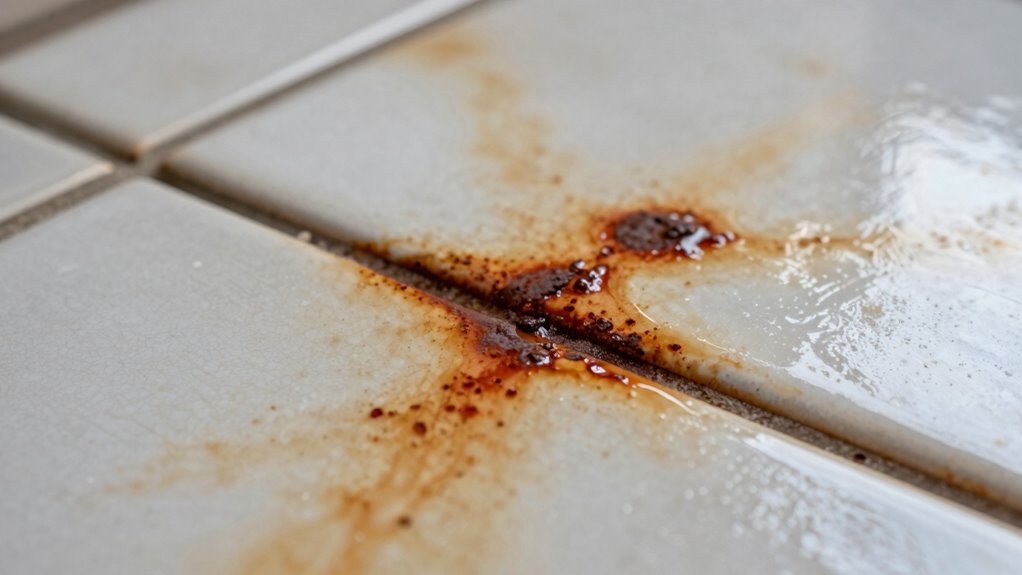
To remove rust stains from your tiles safely and effectively, start by gathering the right supplies. You’ll need an acid-based cleaner like white vinegar or lemon juice, a soft cloth or sponge, and gloves to protect your skin. Rust stains are caused by metal corrosion, so using gentle, natural solutions helps preserve your tile’s surface during maintenance. First, apply the vinegar or lemon juice directly onto the stain, letting it sit for 10-15 minutes to loosen the rust. Gently scrub with a soft cloth or sponge, avoiding abrasive tools that could damage the tile. Rinse thoroughly with clean water, then dry. Repeat if necessary, always prioritizing gentle methods to prevent surface damage while effectively removing rust stains.
Tips to Prevent Rust Stains From Forming on Your Tiles
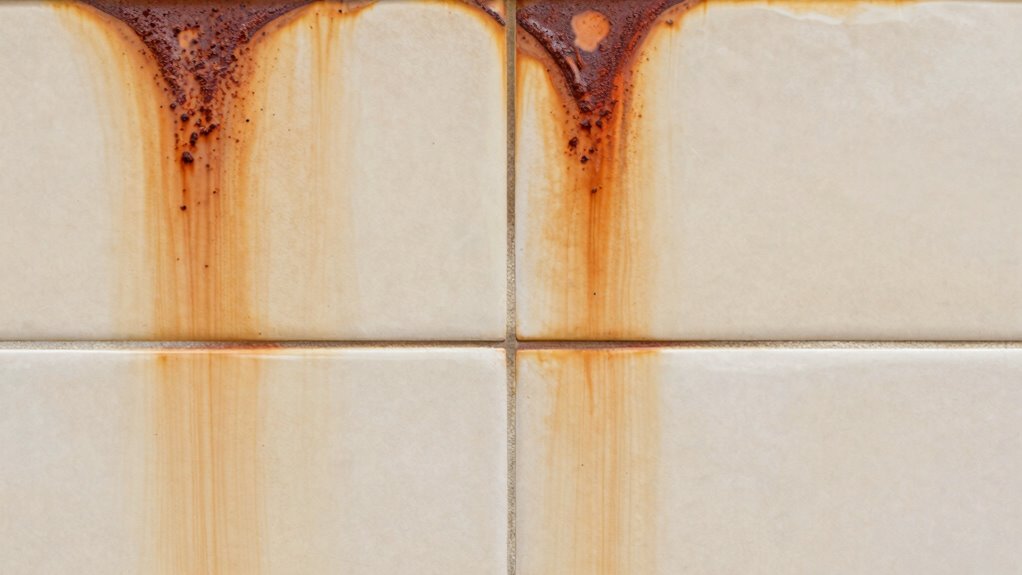
Protecting your tiles from rust stains starts with controlling moisture and metal contact. The tile surface is vulnerable when exposed to rust chemistry, which forms when iron or steel contacts water and oxygen. To prevent this:
- Keep metal fixtures dry and well-maintained, avoiding leaks or corrosion.
- Use sealants on the tile surface to create a barrier against moisture and rust-causing elements.
- Regularly clean the area with non-abrasive cleaners to remove any corrosive residues that could accelerate rust formation.
- Understanding the role of AI ethicists can help inform safer material choices and maintenance practices that reduce corrosion risks. Additionally, selecting rust-resistant materials for fixtures can further prevent rust stains from forming.
Troubleshooting Persistent Rust Stains: When to Call a Professional
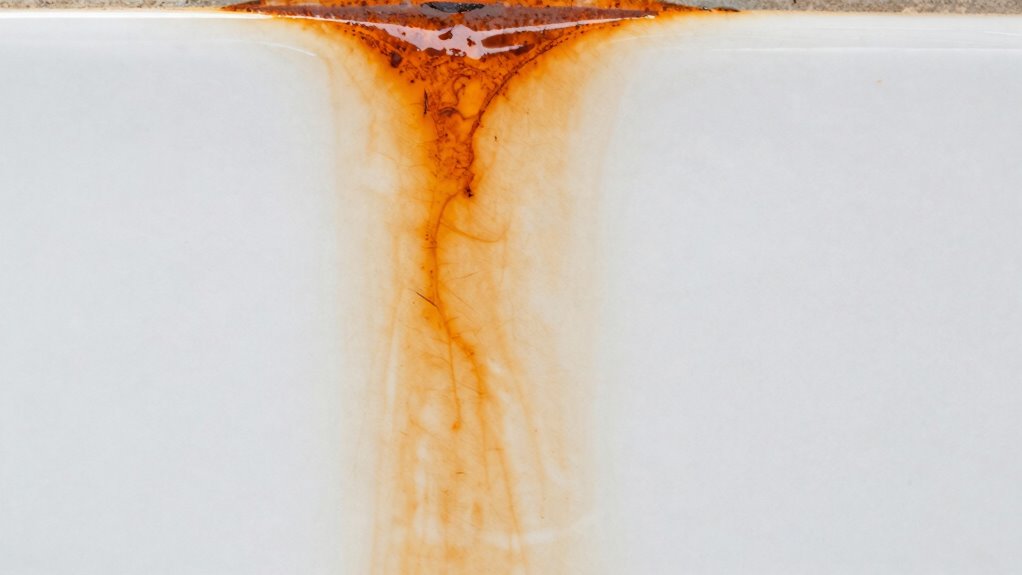
Persistent rust stains can be frustrating, especially when regular cleaning efforts fail to remove them. If you’ve tried different methods and the stain remains, it’s time to think about professional help. Before calling a pro, ensure proper stain identification; sometimes, what appears to be rust may be another type of mineral deposit. Professionals can accurately diagnose the problem and address underlying causes like ongoing rust prevention issues. They have specialized tools and solutions that won’t damage your tile surface. If your attempts at stain removal have been unsuccessful despite using safe cleaning agents, it’s a clear sign to seek expert assistance. This ensures effective removal without risking damage to your tiles or surface integrity, saving you time and preventing further frustration.
Best Practices for Rust Stain Removal Without Damaging Your Tile Surface
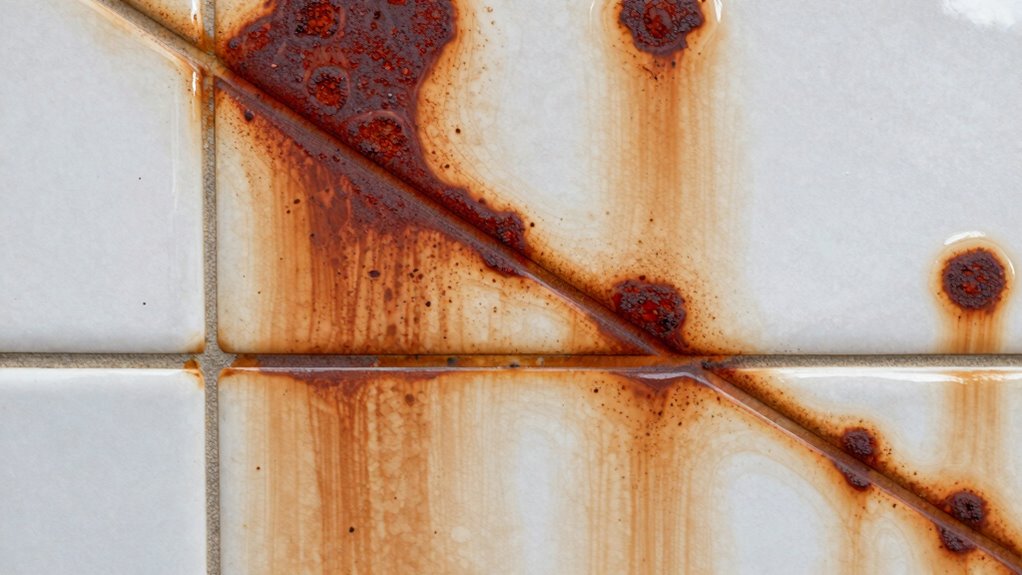
Removing rust stains from tiles requires careful techniques that won’t harm your surface. To protect your tile, consider these best practices:
- Use gentle cleaning agents like lemon juice or vinegar, applied with a soft cloth. Avoid harsh abrasives that can scratch or dull the surface.
- After stain removal, apply a tile sealing or rust-resistant coating to prevent future stains and ease cleaning.
- Regularly maintain your tiles with these protective coatings, especially in high-moisture areas, to prolong their lifespan and keep rust at bay.
Frequently Asked Questions
Can Rust Stains Be Permanent if Not Treated Promptly?
Rust stains can become permanent if you don’t treat them promptly. To prevent this, act quickly with rust stain removal techniques, using gentle methods that won’t harm your tile. Regular tile maintenance tips include cleaning spills immediately and avoiding harsh chemicals. The longer you wait, the deeper the stain can set, making removal harder. So, stay attentive and act fast to keep your tiles looking their best and avoid permanent damage.
Are There Specific Tile Types More Prone to Rust Stains?
Some tiles are like open books to rust stains, especially those with porous surfaces or lower porcelain durability. Porcelain tiles resist stains better, but metal exposure can cause rust to cling more easily to softer or less glazed surfaces. You’ll find that tiles with a matte finish or natural stone are more prone to rust stains, so protect them from metal contact to keep your surface looking pristine.
How Often Should I Clean My Tiles to Prevent Rust?
You should clean your tiles at least once a week to prevent rust stains, especially in high-moisture areas. Incorporate regular cleaning schedules and maintenance tips like wiping down surfaces after use and using gentle cleaning solutions. This routine helps avoid rust build-up and keeps your tiles looking fresh. Don’t wait until stains appear; proactive cleaning guarantees your tiles stay in top condition longer.
What Safety Precautions Should I Take When Using Chemical Cleaners?
Think of chemical cleaners as powerful storms—you need protective gear like gloves and goggles to shield yourself. Always work in well-ventilated areas, opening windows or turning on fans, to let the fumes escape like a gentle breeze. These precautions keep you safe from harmful vapors and splashes, ensuring your cleaning storm passes without harm. Safety isn’t just a rule; it’s your shield against potential hazards.
Can Sealing Tiles Prevent Future Rust Stains Effectively?
Sealing tiles can indeed help prevent future rust stains by creating a protective barrier. Regular sealant application is key to effective tile maintenance, as it minimizes porosity and resists moisture penetration. You should reseal your tiles every couple of years or as needed, especially in high-moisture areas. This proactive approach keeps your tiles looking clean and prevents rust stains from forming, saving you time and effort in the long run.
Conclusion
Now that you know the secrets to banishing rust stains without wrecking your tiles, you’re practically a superhero in your own bathroom! With the right techniques and gentle touch, you can keep your tiles spotless and shining brighter than a diamond. Say goodbye to stubborn rust forever—your tiles will thank you with a flawless, pristine surface that looks like it’s brand new, dazzling everyone who steps in. You’re unstoppable!