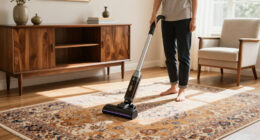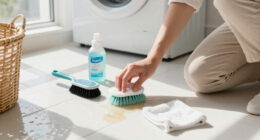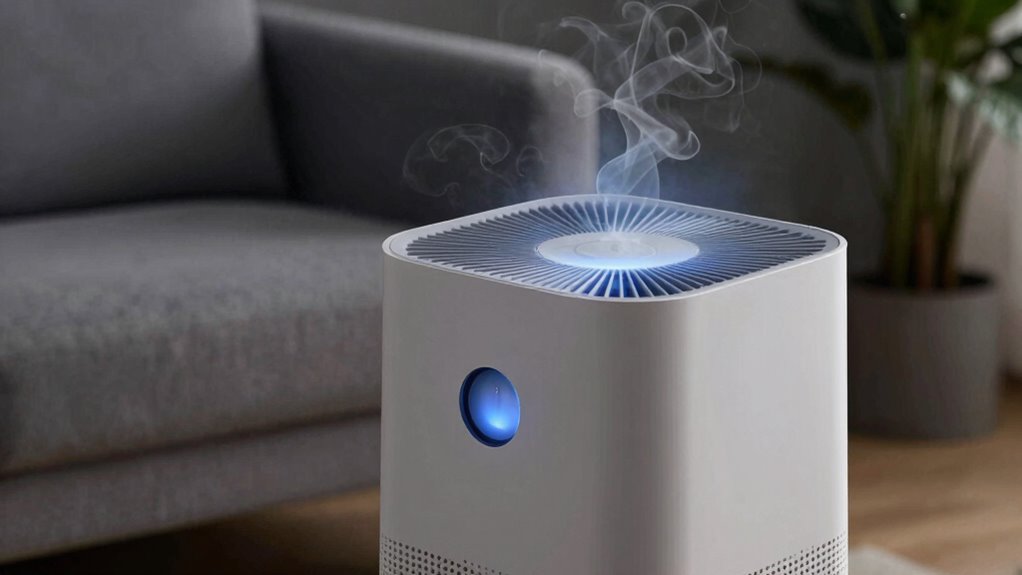
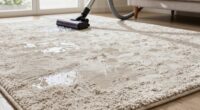
If odors keep returning after deodorizing, it’s likely because they’ve seeped into porous surfaces or embedded residues that typical cleaning methods can’t reach or fully remove. Surface sprays and air fresheners only mask smells temporarily, while deep-seated odors stay trapped inside materials like upholstery, drywall, or carpets. To truly eliminate these smells, you need to target the source with deep cleaning or specialized treatments. Keep going to discover effective ways to break the cycle for good.

Get cleaning gear delivered free — and shop member deals
- Fast, free delivery on millions of items
- Access to Prime Big Deal Days deals on October 6–7
- Prime Video, Amazon Music and more included
Key Takeaways
- Standard deodorizing masks odors temporarily but doesn’t remove deep-seated residues causing re-emission.
- Odors are absorbed into porous surfaces, which can release smells over time if not properly cleaned.
- Surface treatments often fail to reach embedded residues, allowing odors to persist and reappear.
- Without thorough cleaning that breaks down odor-causing residues, smells will return after deodorizing.
- Using absorbers like charcoal or baking soda post-cleaning helps prevent odors from coming back long-term.
If odors keep returning after deodorizing, it can be frustrating and confusing. You might think you’ve eliminated the smell, only to find it coming back days later. The reason often lies beneath the surface—odor absorption and surface residues are key factors that standard deodorizing methods overlook. When you spray air fresheners or use surface sprays, you’re mainly masking the smell temporarily. But if the root causes aren’t addressed, the odor will simply reappear.
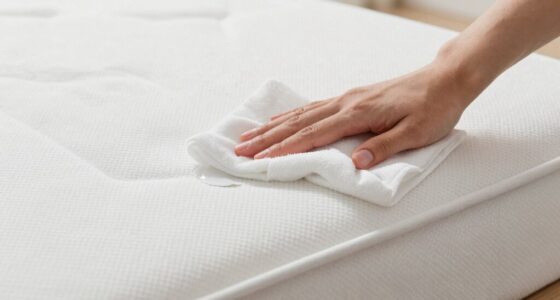
Odor absorption happens when smells seep into porous materials like upholstery, carpets, or even drywall. These surfaces act like sponges, trapping odor particles deep inside. As long as these particles remain embedded, they continue to release odors over time. Surface residues, on the other hand, are the remnants of previous spills, smoking, or other sources of odor that settle into the surfaces. These residues act as ongoing sources of smells, slowly releasing odors into the air long after you think they’ve been cleaned.
Porous surfaces trap odor particles and surface residues continuously release smells over time.
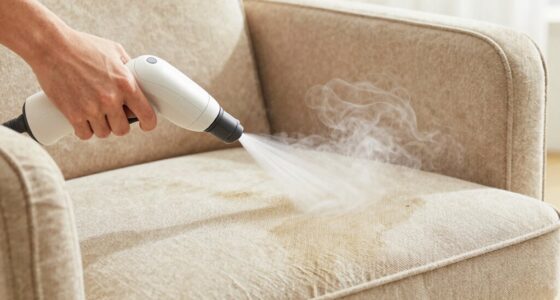
Standard deodorizing sprays often only treat the surface, giving you a quick fix that doesn’t reach the deeper layers where odors hide. That’s why the smell can re-emerge after a few days. To effectively eliminate these persistent odors, you need to target the source, not just mask it. Deep cleaning is essential. Use specialized cleaning agents that break down odor-causing residues and remove the trapped particles. For porous surfaces, consider steam cleaning or professional extraction, which can penetrate deep into fibers and dissolve surface residues.
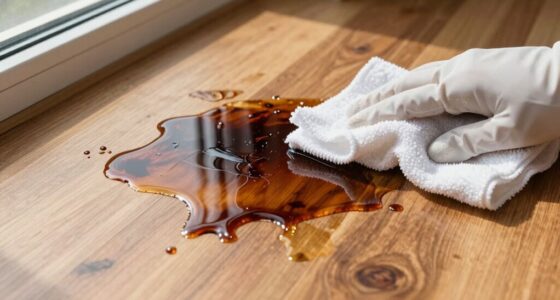
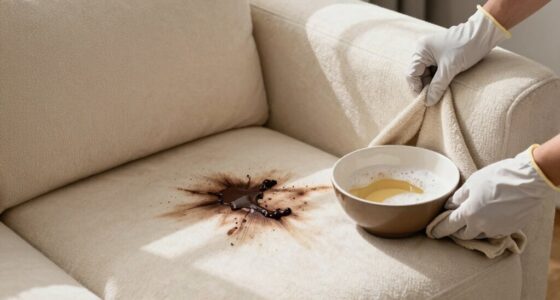
Another effective step is to use odor absorbers like activated charcoal or baking soda. These substances work by pulling odor molecules out of the air and surfaces, rather than just covering them up. Placing bowls of baking soda in problem areas or using charcoal bags can help absorb lingering smells. Additionally, if surface residues are stubborn, a thorough wipe-down with an appropriate cleaner can make a big difference, especially in areas prone to spills or smoke damage.
In some cases, you might need to replace or professionally treat certain materials if the odors are deeply embedded or persistent. For example, replacing carpets or deep cleaning upholstery with commercial-grade equipment can effectively remove odor residues that regular cleaning can’t reach. Remember, simply deodorizing isn’t enough when the smell is rooted in surface residues and odor absorption. Addressing these underlying issues with targeted cleaning and odor absorption techniques is your best bet for long-lasting freshness.
Furthermore, understanding the role of contrast ratio in projectors can help if you’re considering an upgrade for your home cinema, as better contrast enhances the perceived cleanliness and freshness of the image, making odors less noticeable when watching movies.
deep cleaning odor removal products
As an affiliate, we earn on qualifying purchases.
As an affiliate, we earn on qualifying purchases.
Frequently Asked Questions
Can Certain Materials Cause Persistent Odors Despite Deodorizing?
Yes, certain materials like porous surfaces and synthetic fabrics can cause odors to persist even after deodorizing. Porous materials absorb smells deeply, making it hard to fully eliminate odors. Synthetic fabrics often trap odor molecules, releasing them over time. To fix this, clean these materials thoroughly with appropriate solutions, or replace them if odors linger. Regular washing and proper ventilation help prevent odors from sticking around long-term.
Do Professional Cleaning Methods Last Longer Than DIY Solutions?
Think of professional cleaning methods as a fortress, built with specialized equipment and powerful cleaning solutions that go deeper than DIY efforts. They last longer because professionals target hidden dirt and odors at their source, ensuring a thorough job. DIY solutions might seem quick, but they often only scratch the surface. So, investing in professional cleaning helps you enjoy fresher spaces for a longer time, making your environment truly cleaner and more inviting.
How Does Humidity Affect Odor Recurrence After Deodorizing?
Humidity impact plays a big role in odor rebound after deodorizing. If the air’s humid, moisture can trap odors in fabrics and surfaces, making smells come back sooner. Higher humidity creates a perfect environment for bacteria and mold, which produce odors. To prevent odor rebound, keep humidity levels low with dehumidifiers or good ventilation, and consider re-treating areas. Managing humidity helps your deodorizing efforts last longer and keep your space fresh.
Are There Specific Scents That Mask Rather Than Eliminate Odors?
You might think certain scents can fully mask odors, but scent masking mainly offers odor concealment, not elimination. Fresh citrus or mint can temporarily hide smells, but they don’t remove the odor molecules. If you want lasting results, choose deodorizing products that target the source rather than relying solely on scent masking. Remember, strong scents can sometimes overpower the original odor, but they don’t eliminate it entirely.
How Often Should I Re-Deodorize to Prevent Odor Return?
You should re-deodorize every few days to prevent odor from returning. Regular application helps combat odor absorption and maintains freshness. Keep in mind, the deodorizer lifespan varies depending on the product and environment; some last a week, others longer. If odors persist, consider more thorough cleaning or switching to a stronger deodorizer. Consistent reapplication guarantees odors stay at bay and your space remains fresh.
activated charcoal odor absorber
As an affiliate, we earn on qualifying purchases.
As an affiliate, we earn on qualifying purchases.
Conclusion
So, if stubborn scents seem to sneak back, don’t despair. Dealing with lingering odors demands dedication, not just a quick fix. By blitzing bacteria, banishing buildup, and balancing the environment, you can break the cycle and banish bad smells for good. Remember, persistence and proper cleaning power are your best allies. With a little effort and some smart solutions, you’ll finally banish those bothersome odors and breathe fresh, fabulous freedom!
As an affiliate, we earn on qualifying purchases.
odor eliminating surface cleaner
As an affiliate, we earn on qualifying purchases.
As an affiliate, we earn on qualifying purchases.
Fall Picks
fall essentials
As an affiliate, we earn on qualifying purchases.