
All-purpose cleaners contain a mix of natural ingredients like vinegar, lemon juice, and baking soda, along with synthetic chemicals such as surfactants and solvents. Natural options help cut grime without harsh chemicals and are eco-friendly, while synthetics offer stronger stain removal but may cause irritation and environmental harm. Understanding what’s in your cleaner helps you choose safer, more sustainable options. Keep exploring to learn how these ingredients impact your health and the planet.
Key Takeaways
- All-purpose cleaners contain a mix of natural ingredients like vinegar and lemon juice, along with synthetic surfactants and solvents.
- Natural ingredients are eco-friendly, biodegradable, and safer for human health, while synthetic chemicals offer stronger stain removal.
- Synthetic components can cause skin or respiratory irritation and may linger environmentally, raising ecological concerns.
- Green and eco-friendly cleaners prioritize biodegradable, plant-based ingredients, avoiding harsh chemicals like chlorine and phosphates.
- Choosing between natural and synthetic cleaners depends on cleaning needs, safety preferences, and environmental impact considerations.
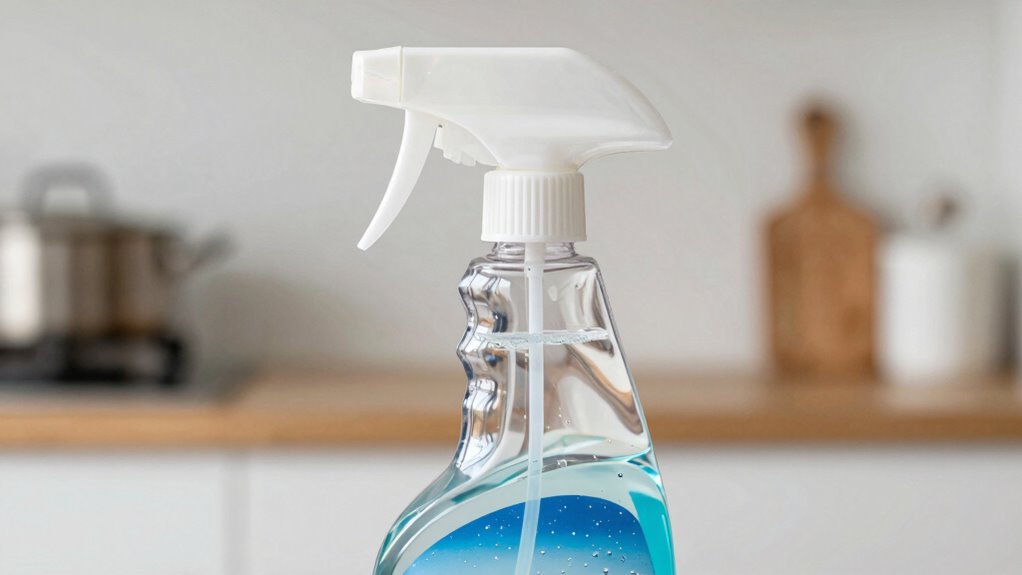
All-purpose cleaners rely on a combination of ingredients that work together to remove dirt, grime, and stains from various surfaces. Understanding what’s actually in these products can help you make smarter choices for your home and the environment. One of the key debates centers around natural versus synthetic ingredients. Natural ingredients come from plant extracts, essential oils, and mineral-based compounds. They often appeal to those seeking eco-friendly alternatives that are less harsh and potentially safer for children, pets, and sensitive skin. For example, vinegar, lemon juice, and baking soda are common natural cleaners that effectively cut through grime without relying on synthetic chemicals. These alternatives are biodegradable, produce fewer toxic byproducts, and tend to have a lower environmental impact.
Natural ingredients like vinegar, lemon, and baking soda are eco-friendly, effective, and safer for your home and the environment.
On the other hand, synthetic ingredients are chemically formulated compounds designed to enhance cleaning power, stability, and shelf life. These might include surfactants, solvents, and preservatives that are not naturally derived. Synthetic cleaners often boast a more potent ability to tackle stubborn stains and greasy surfaces, making them popular choices for heavy-duty cleaning tasks. However, some synthetic chemicals can be irritating to skin, eyes, or respiratory systems, and they may linger in the environment long after use. That’s why many consumers are turning toward eco-friendly alternatives, which prioritize renewable resources, low toxicity, and minimal environmental footprint.
Eco-friendly alternatives are increasingly available and often labeled as green or natural. These products typically avoid harsh chemicals like phosphates, chlorine, and artificial fragrances. Instead, they emphasize biodegradable ingredients and sustainable sourcing. When selecting an all-purpose cleaner, you might notice labels that highlight plant-based formulas or non-toxic ingredients, which can be a good indicator of an eco-conscious choice. These options not only reduce your exposure to potentially harmful chemicals but also support a healthier planet by decreasing pollution and conserving resources.
Ultimately, the choice between natural and synthetic, or between traditional and eco-friendly alternatives, depends on your specific cleaning needs and values. If you prefer gentler, environmentally mindful products, exploring natural or green-certified options makes sense. If you need a heavy-duty cleaner for tough grime, synthetic formulas might be more effective, but look for those with environmentally safe certifications. Being aware of what’s in your all-purpose cleaner empowers you to balance efficacy with safety, ensuring a cleaner home that aligns with your health and ecological priorities.
Frequently Asked Questions
Are All-Purpose Cleaners Safe for Pets and Children?
All-purpose cleaners aren’t always safe for pets and children, so you should check labels carefully. Many contain chemicals that could cause harm through exposure, especially if ingested or if they come into contact with skin or eyes. To protect your pet’s safety and minimize chemical exposure, opt for natural or pet-safe cleaning products, and always keep children and pets away from freshly cleaned areas until surfaces are dry.
Can All-Purpose Cleaners Be Environmentally Friendly?
Yes, all-purpose cleaners can be eco-friendly if you choose wisely. Look for products with eco-friendly ingredients that reduce environmental harm and opt for sustainable packaging to lessen waste. Just like planting seeds for a greener future, your choices matter—switching to environmentally conscious cleaners helps protect the planet while keeping your home safe. You hold the power to make cleaning both effective and sustainable.
Do All-Purpose Cleaners Contain Allergens?
You should know that some all-purpose cleaners contain allergenic ingredients, which can trigger reactions in sensitive individuals. Fragrance concerns are common because added scents often include allergenic compounds that may cause headaches or respiratory issues. Always check labels for these ingredients, especially if you have allergies or asthma. Opt for fragrance-free or hypoallergenic options to reduce your risk of irritation and guarantee safer cleaning routines.
How Long Do the Effects of All-Purpose Cleaners Last?
The effects of all-purpose cleaners typically last around 24 hours. During this time, you may notice the scent lingering due to chemical residues, which can stay on surfaces and in the air. Notably, scent longevity varies based on the cleaner’s formulation and the surface cleaned. To reduce long-term exposure, consider ventilating well after cleaning, as chemical residues can persist and affect indoor air quality for hours.
Are There Natural Alternatives to Chemical All-Purpose Cleaners?
Yes, you can use natural ingredients and DIY solutions as alternatives to chemical all-purpose cleaners. Ingredients like vinegar, baking soda, lemon juice, and essential oils work effectively to clean surfaces without harsh chemicals. You simply mix these natural ingredients to create your own eco-friendly cleaner. Not only do these DIY solutions avoid synthetic chemicals, but they also save money and reduce your environmental impact while keeping your home spotless.
Conclusion
Now that you know what’s inside your all-purpose cleaner, it’s like having a secret recipe in your back pocket. Imagine cleaning your kitchen counter and realizing you’ve got the power to make it sparkle without sneaking harmful chemicals. Just like a chef carefully chooses ingredients, understanding what’s in your cleaner helps you make smarter choices. So next time you reach for that spray, remember: knowledge is your best cleaning companion. Clean smarter, live healthier.