Many people mistake cleaning for disinfection, but they serve different purposes. Cleaning removes dirt, dust, and germs from surfaces using soap and physical action, while disinfecting uses chemicals to kill bacteria and viruses. Proper disinfection requires specific contact time and thorough coverage to be effective. Understanding these differences ensures you reduce germs effectively. Keep in mind, combining both methods is essential for a healthier environment—if you want to learn more, there’s much to discover.
Key Takeaways
- Cleaning removes dirt and germs but does not necessarily kill all pathogens; disinfecting kills most germs but doesn’t clean dirt.
- Proper disinfectant application requires correct contact time and coverage, which many people overlook.
- Disinfectants are used mainly to eliminate harmful pathogens, while cleaning improves surface appearance and reduces germs.
- Many mistake cleaning alone as sufficient for disinfection; effective disinfection also depends on proper chemical use and timing.
- Combining cleaning and disinfecting, with understanding their distinct roles, ensures better infection control than confusing the two.

Lysol All Purpose Cleaner Spray, Multi-Purpose Disinfecting Spray, Kitchen & Bathroom Cleaner, Lemon Breeze Scent, 32 Fl Oz
- Kills 99.9% of Viruses and Bacteria: Includes COVID-19 virus protection
- Deep Cleans and Removes Germs: Eliminates 99.9% of germs, soap scum, grease
- Multi-Surface Disinfectant: Suitable for counters, sinks, stoves, and more
As an affiliate, we earn on qualifying purchases.
As an affiliate, we earn on qualifying purchases.
What Are Disinfecting and Cleaning, and Why Do They Matter?
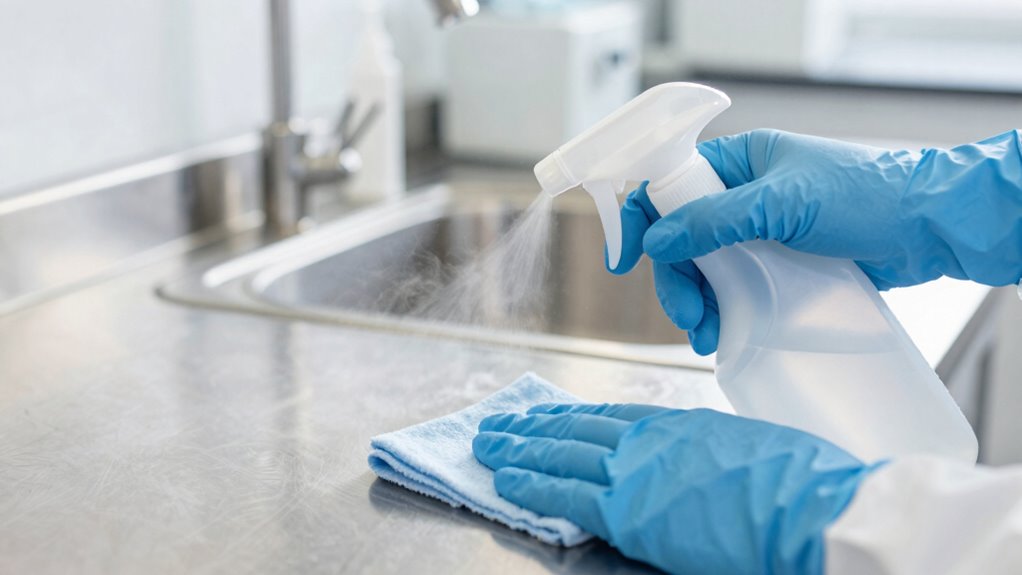
Understanding the difference between disinfecting and cleaning is essential because these processes serve distinct purposes in maintaining a healthy environment. Cleaning focuses on removing surface contamination like dirt, dust, and debris, which helps improve appearance and reduce germs. Disinfecting goes a step further by using chemicals designed to kill bacteria, viruses, and other pathogens. Chemical effectiveness is vital here—disinfectants must be properly formulated to target harmful microorganisms effectively. While cleaning reduces the overall microbial load, disinfecting markedly lowers the risk of infection by eliminating germs that cleaning alone might miss. Knowing when and how to use each process ensures you’re effectively protecting your space and minimizing health risks. Properly understanding these differences helps you maintain a safer, cleaner environment. Additionally, using air purifiers with HEPA filters can significantly enhance your efforts to reduce airborne contaminants and improve indoor air quality. Recognizing the importance of microbial control in various settings further emphasizes the need for appropriate cleaning and disinfecting practices. Implementing proper techniques ensures these processes are as effective as possible in safeguarding health. Furthermore, understanding the different applications of disinfecting versus cleaning can help tailor your approach for specific environments, such as healthcare or food preparation areas. Being aware of microbial resistance can also influence how often and with what products you should disinfect to prevent the development of resistant germs.

Windex Multipurpose Cleaner Disinfectant Spray Bottle, Packaging Designed to Prevent Leakage and Breaking, Surface Cleaning Spray, Citrus Fresh Scent, 23 Fl Oz
- Product Quantity: 32 oz spray bottle
- Disinfectant Effectiveness: Removes 99.9% of germs*
- Surface Compatibility: Cleans and disinfects multiple surfaces
As an affiliate, we earn on qualifying purchases.
As an affiliate, we earn on qualifying purchases.
When Should You Clean Versus When Should You Disinfect?
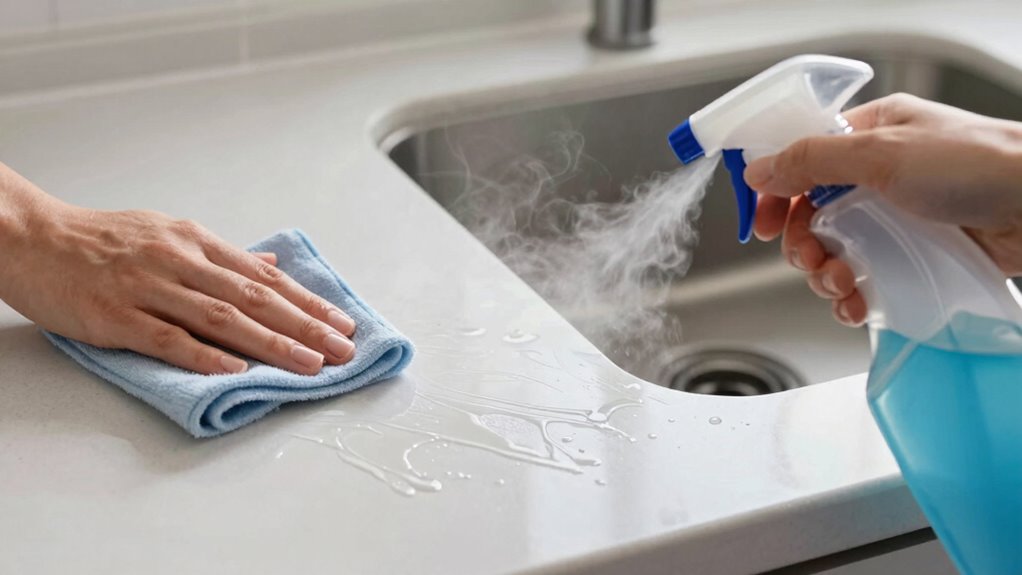
Knowing when to clean and when to disinfect can make a big difference in maintaining a healthy environment. You should clean surfaces first when there’s visible dirt, dust, or surface contamination. Cleaning removes debris and reduces the number of germs but may not eliminate all microbes. Disinfecting is necessary when surfaces are likely to harbor harmful pathogens or when someone is ill, as it kills bacteria and viruses that cleaning alone may not remove. It’s especially important in areas prone to microbial resistance, where germs can survive regular cleaning. Use disinfectants appropriately after cleaning to ensure germs are effectively eliminated. Proper timing between cleaning and disinfecting is key to controlling surface contamination. Recognizing the difference between cleaning and disinfecting is essential for effective sanitation. Understanding this distinction helps prevent the spread of infections and keeps your space safer. Proper surface maintenance is essential for keeping environments safe and healthy, especially in high-touch areas where germs are more likely to spread. Additionally, understanding the proper use of disinfectants ensures that these products are effective and safe for use in different settings. Being aware of vetted cleaning products can further enhance sanitation efforts by ensuring safety and efficacy.
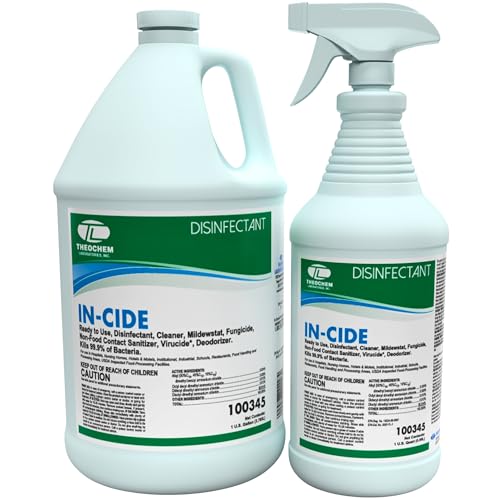
Theochem In-Cide Hospital Grade Disinfectant, 1 Gal + 32 oz Bundle
- EPA-Registered Disinfectant: Kills 99.9% of viruses and bacteria
- Trusted by Professionals: Used in hospitals, schools, janitorial services
- Effective Against Viruses: Eliminates flu and MRSA on surfaces
As an affiliate, we earn on qualifying purchases.
As an affiliate, we earn on qualifying purchases.
How Do Cleaning and Disinfecting Differ in Eliminating Germs?
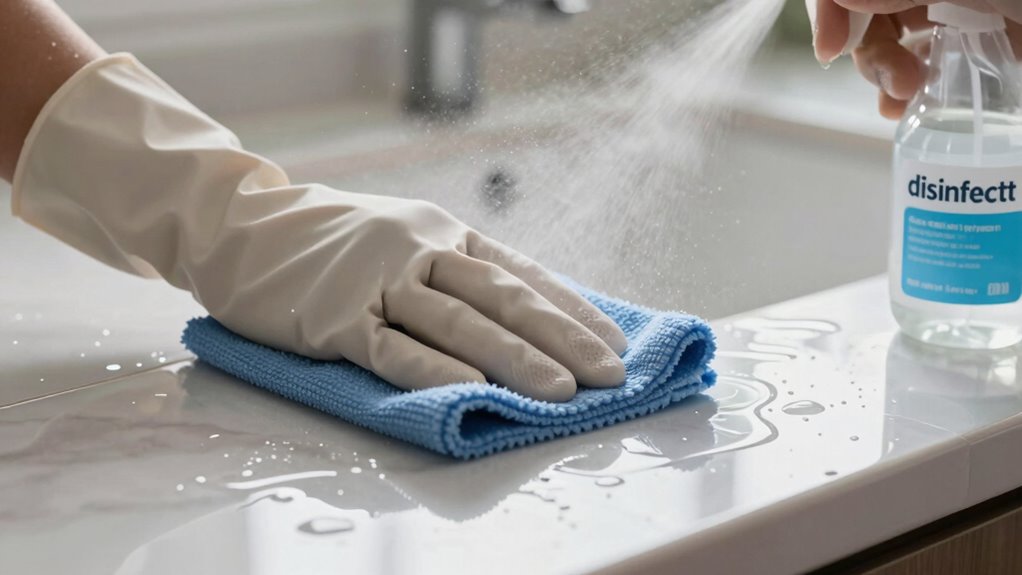
Cleaning removes dirt and some germs through physical action, but disinfecting targets and kills most germs on surfaces. The effectiveness depends on how well the solution contacts the surface and how long it’s applied. Proper disinfectant application ensures germs are effectively eliminated, especially in high-touch areas. Additionally, understanding the differences between cleaning and disinfecting can help prevent cross-contamination and improve hygiene practices. Using the right tools, like spray bottles and microfiber cloths, can enhance disinfecting techniques for better results. Proper technique and understanding of surface contact time are crucial for maximizing germ elimination. Incorporating modern automation can also help maintain consistent disinfecting routines, reducing the risk of human error and ensuring thorough sanitation.
Germs Removal Techniques
While both cleaning and disinfecting aim to reduce germs, they do so in fundamentally different ways. Cleaning removes surface contamination like dirt and debris, reducing the number of germs physically present. It relies on physical action and soap or detergents to trap and lift germs away from surfaces. Disinfecting, on the other hand, uses chemicals with high effectiveness against germs to kill or inactivate pathogens on surfaces. The key difference lies in chemical effectiveness: disinfectants are formulated to target germs directly, ensuring their elimination. Cleaning alone may lower germ counts, but disinfecting provides an extra layer of safety by actively destroying bacteria and viruses. Knowing this helps you choose the right technique depending on the level of germ control needed in your environment.
Surface Contact Effectiveness
How effectively do cleaning and disinfecting eliminate germs through surface contact? Cleaning removes dirt and some germs, but it doesn’t guarantee the elimination of all pathogens. Disinfecting, on the other hand, uses chemicals designed to kill germs on contact, markedly reducing germ transfer risks. The key difference lies in surface contact; disinfectants require direct application to surfaces to be effective, ensuring that germs are destroyed upon contact. Cleaning may spread germs if not done properly, especially if surfaces are touched before disinfecting. To maximize effectiveness:
- Disinfectants need proper coverage for full germ-killing potential
- Surface contact ensures germs are directly exposed to disinfecting agents
- Inadequate contact can allow germs to survive and transfer elsewhere
- Proper application techniques are essential to ensure disinfectants work effectively and do not leave surfaces contaminated.
- Surface contact is crucial because without proper contact, disinfectants cannot reach all germs present on a surface.
Understanding this helps you choose the right method for safer, cleaner surfaces.
Time and Application
Disinfecting generally requires a specific contact time to effectively kill germs, meaning the disinfectant must stay on the surface for a designated period before wiping or rinsing. This makes proper application essential; rushing through cleaning routines can reduce disinfectant effectiveness. You should follow the instructions on the label to guarantee safety and prevent misuse, especially since disinfectant safety is critical to avoid health risks. Cleaning, on the other hand, involves removing dirt and debris without necessarily killing germs, so it can be done quickly. Proper timing ensures disinfectants work as intended, while improper application may leave germs behind. By understanding these differences, you can optimize your cleaning routines and guarantee surfaces are genuinely sanitized.
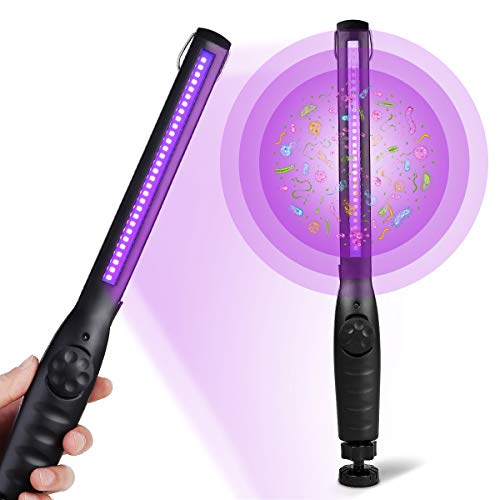
UV Light Sanitizer, UV Sanitizer Lamp Portable Travel UV Light Sanitizer Wand (Black)
- Type: UV Light Sanitizer Wand
- Portability: Portable Travel Design
- Color: Black
As an affiliate, we earn on qualifying purchases.
As an affiliate, we earn on qualifying purchases.
How to Properly Disinfect Surfaces With Effective Chemicals
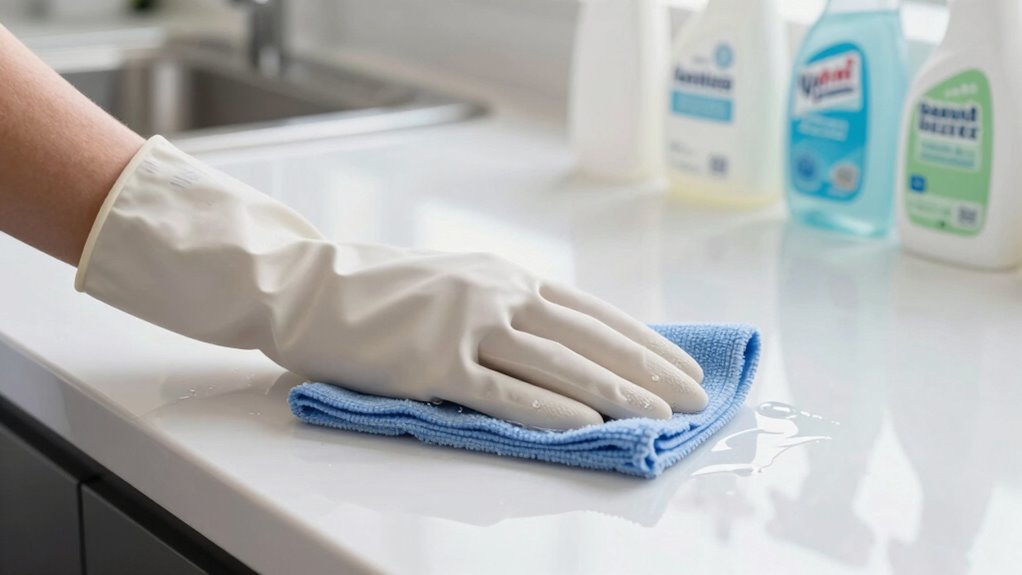
To effectively disinfect surfaces, you need to use the right chemicals and follow proper application techniques. Start by choosing disinfectants with proven chemical efficacy against common pathogens. Guarantee the surface is free of dirt and debris, as surface contamination can hinder disinfectant effectiveness. When applying disinfectants:
- Follow the manufacturer’s instructions for dilution and contact time.
- Use enough product to keep the surface visibly wet for the recommended duration.
- Allow the surface to air dry, avoiding wiping immediately, which can reduce effectiveness.
- Incorporating nanotechnology in disinfectant formulations can enhance their ability to target and neutralize pathogens more effectively.
- Understanding affiliate marketing and its influence can help you select the most reliable disinfectant products from trusted brands.
These steps help target surface contamination and maximize disinfectant performance. Proper chemical application ensures pathogens are neutralized, reducing the risk of infection and maintaining a healthier environment.
Common Myths About Cleaning and Disinfecting : Debunked
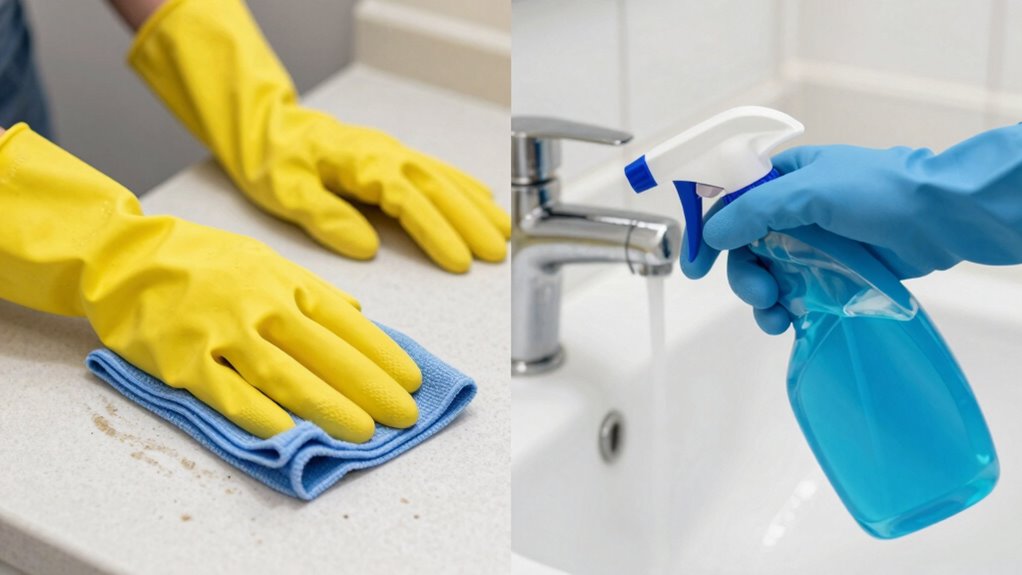
Many people believe disinfecting is always needed to kill germs, but cleaning can often do the job just as well. Regular cleaning reduces most surface bacteria effectively, especially when using appropriate techniques and products. It’s a common myth that disinfectants are always necessary, but proper cleaning can often suffice without harsh chemicals. Additionally, incorporating vintage tech and period design elements can contribute to a healthier, more authentic home environment by reducing reliance on chemical disinfectants. Understanding the horsepower of electric dirt bikes can also help in selecting eco-friendly and efficient cleaning tools that minimize energy use. Recognizing the quality of gelato and its freshness can inspire better maintenance of food preparation areas, further promoting hygiene and safety. Moreover, exploring crochet styles for locs can inspire creative ways to personalize protective accessories that also serve as natural barriers to contaminants.
Myth: Disinfecting Kills Germs
A common misconception is that disinfecting completely eliminates all germs, but in reality, it’s more nuanced. Many believe that disinfectants kill every germ on contact, fueling germ myths that overstate their power. In truth, disinfectants considerably reduce harmful bacteria and viruses but may not eradicate all germ types or lingering microbes. It’s important to understand that:
- Some germs are resistant to certain disinfectants
- Proper contact time is necessary for effective disinfection
- Disinfecting doesn’t replace regular cleaning practices
This misunderstanding feeds into cleaning myths that suggest disinfection alone is sufficient. You need to combine proper cleaning with disinfecting to effectively manage germs and maintain a healthy environment.
Cleaning Doesn’t Remove All Germs
While disinfecting reduces harmful germs considerably, it doesn’t guarantee all microbes are gone. Cleaning alone primarily removes dirt, dust, and some germs from surfaces, but it falls short of full germ eradication. Many bacteria and viruses can survive a basic clean, especially if you don’t use proper techniques or cleaning agents. Surface sterilization goes further by killing or removing nearly all microorganisms, but regular cleaning isn’t always enough for this level of germ control. If your goal is thorough germ eradication, cleaning needs to be supplemented with disinfecting methods. Relying solely on cleaning can give you a false sense of security, leaving behind germs that can still cause illness. To truly minimize risk, understanding that cleaning doesn’t remove all germs is essential. Additionally, using appropriate cleaning products can enhance the effectiveness of your cleaning efforts.
Disinfectants Are Always Necessary
People often believe that disinfectants are always necessary to keep surfaces safe, but this isn’t true in every situation. Disinfectant effectiveness depends on the context, and overusing them can be unnecessary or even harmful. For routine cleaning, regular soap and water or wiping with a damp cloth often suffice, reducing the need for disinfectants. Keep in mind that:
- High-touch surfaces in crowded areas may need more frequent disinfection.
- Not all germs require immediate elimination unless someone is sick.
- Excessive disinfecting can lead to chemical buildup and resistance over time.
Understanding when disinfectants are truly needed helps maintain a proper cleaning frequency, ensuring surfaces are safe without overdoing it. Properly evaluating each situation ensures effective cleaning without unnecessary chemical use.
Practical Tips for Safe and Effective Disinfecting at Home and Work
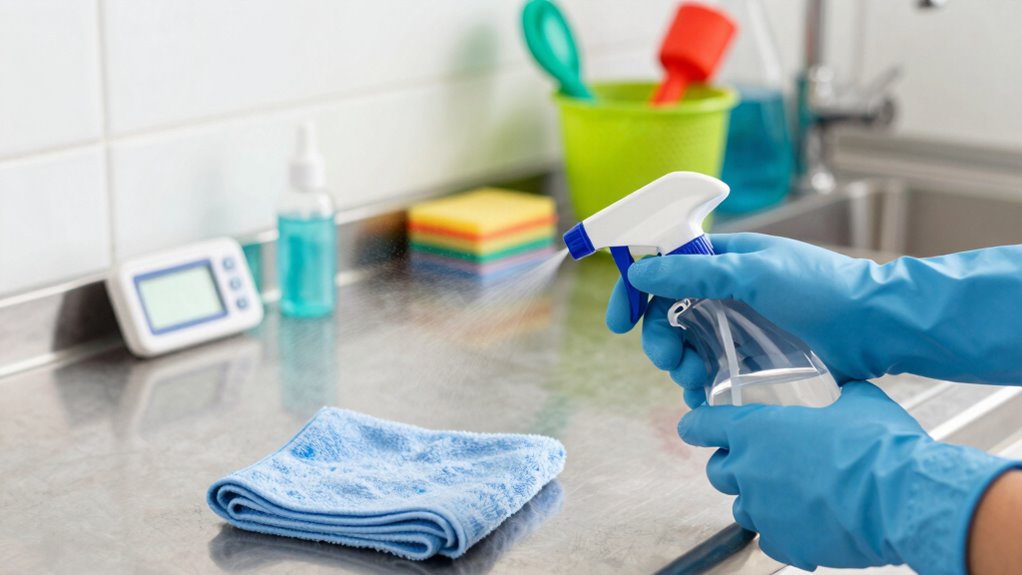
To disinfect effectively at home or work, you need to follow key safety and application steps. Start by cleaning surfaces with soap and water to remove dirt, then use an appropriate disinfectant. Always read and follow the product’s instructions for proper contact time. Keep an air purifier running in shared spaces to reduce airborne contaminants. Use hand sanitizer with at least 60% alcohol when handwashing isn’t possible, especially after touching high-touch surfaces. Wear gloves and ensure good ventilation during disinfecting. Store disinfectants safely away from children and pets. After disinfecting, wash your hands thoroughly. These steps help ensure your efforts are both safe and effective, minimizing health risks and maximizing the disinfectant’s benefits.
Choosing the Right Products for Cleaning and Disinfecting
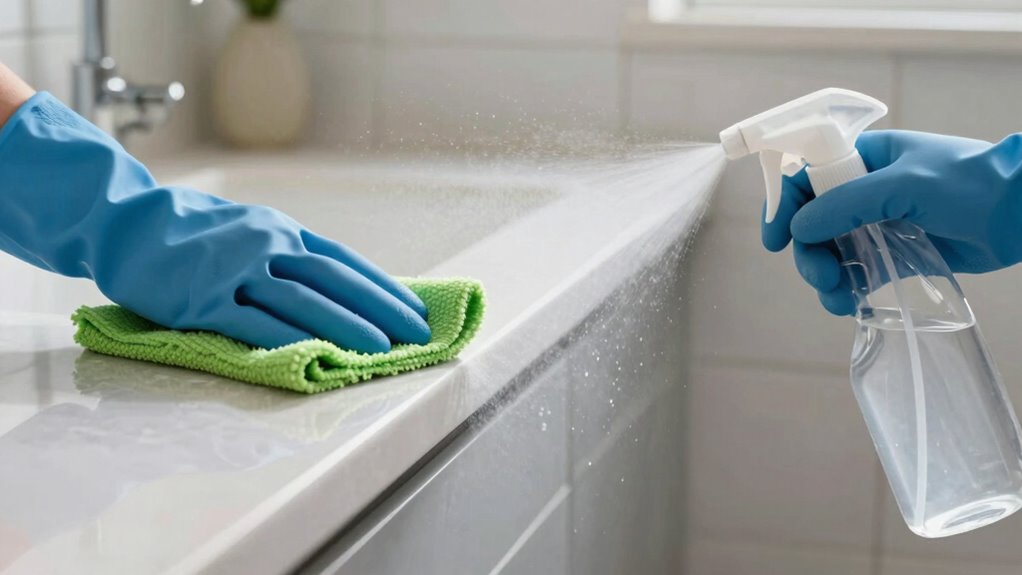
Choosing the right cleaning and disinfecting products is essential to guarantee safety and effectiveness. Always read product labels carefully to understand their intended use and proper application. Look for labels that specify whether a product is suitable for cleaning, disinfecting, or both. Pay close attention to safety precautions, such as wearing gloves or ensuring proper ventilation, to protect yourself during use. To make informed choices, consider these factors:
- Verify the contact time needed for disinfection on the label
- Ensure the product is EPA-registered for disinfecting purposes
- Check for any ingredients that might cause allergies or reactions
Using the right products with clear labels and following safety precautions guarantees you effectively clean and disinfect without risking harm or ineffective results.
Why Combining Cleaning and Disinfecting Is Key During Flu Season
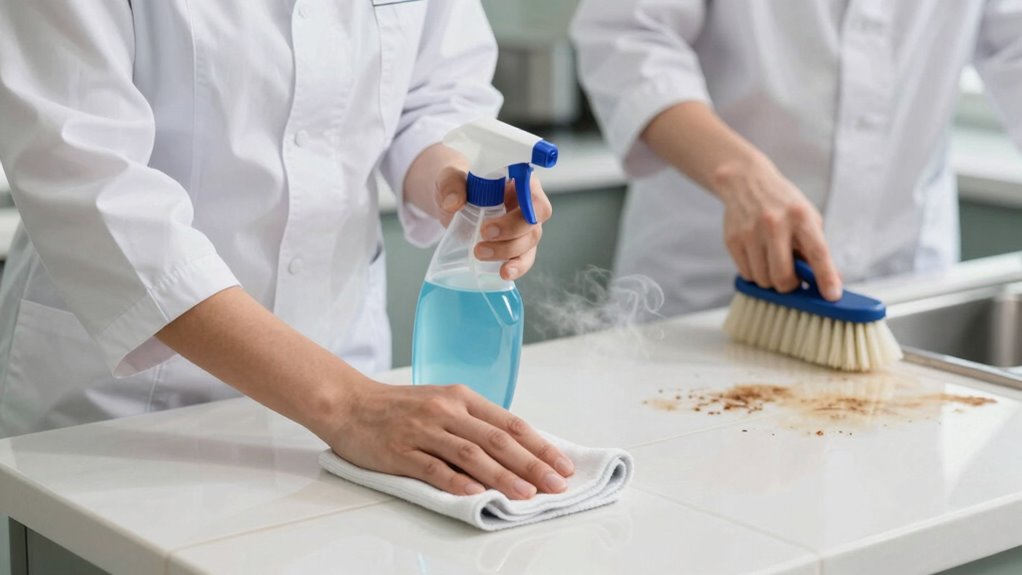
During flu season, combining cleaning and disinfecting is essential because it effectively reduces the spread of viruses and bacteria. Regular cleaning removes dirt and organic matter, which can harbor germs, while disinfecting kills lingering pathogens. To maximize protection, prioritize hand hygiene by washing your hands frequently and using alcohol-based sanitizer. Wearing appropriate PPE, like masks and gloves, adds an extra layer of defense, especially when cleaning high-touch surfaces. This combined approach ensures a thorough reduction of infectious agents in your environment. Remember, cleaning alone isn’t enough; disinfecting targets the germs that cleaning may miss. By integrating these practices, you create a safer space for yourself and others during flu season. Consistency and proper technique are your best tools against illness.
Frequently Asked Questions
Can Cleaning Products Also Disinfect Surfaces Effectively?
Cleaning products often don’t disinfect surfaces effectively because surface porosity affects chemical efficacy. Porous surfaces, like wood or fabric, can trap microbes, making it harder for cleaning agents to reach and kill germs. To truly disinfect, use products specifically labeled as disinfectants and follow instructions carefully. Regular cleaning removes dirt and reduces microbes, but for disinfection, choose products designed to penetrate surface porosity and guarantee chemical efficacy.
Is It Necessary to Wear Protective Gear During Disinfecting?
Wearing protective gear during disinfecting is like armor protecting a knight—you definitely want it on. You should always wear Personal Protective Equipment, such as gloves and masks, to guarantee Disinfectant Safety. This gear shields you from harmful chemicals and potential splashes. Not only does it keep you safe, but it also prevents cross-contamination. Always follow manufacturer instructions to stay protected and disinfect effectively.
How Long Should Disinfectants Stay on Surfaces?
You should keep disinfectants on surfaces for the recommended contact time, usually between 30 seconds to several minutes, depending on the product. This contact time is essential for the disinfectant to effectively kill germs and viruses. To confirm maximum disinfectant effectiveness, follow the manufacturer’s instructions carefully, and don’t wipe the surface prematurely. Proper contact time guarantees the surface is thoroughly disinfected and safe for use.
Are Natural or Homemade Disinfectants as Effective as Commercial Ones?
Natural alternatives and homemade solutions can be effective, but they’re not always as powerful as commercial disinfectants. Think of homemade solutions like a gentle stream—clean and revitalizing but sometimes lacking the force of a rushing river. For routine cleaning, they work well, but for killing germs on high-touch surfaces, commercial disinfectants offer more reliability. Use natural options wisely, but don’t hesitate to reach for proven products when needed.
How Often Should High-Touch Surfaces Be Disinfected in a Home?
You should disinfect high-touch surfaces in your home daily, especially in high-traffic areas. Follow frequency guidelines based on surface types; for instance, doorknobs, light switches, and countertops need more frequent disinfection. Regularly wiping these surfaces helps prevent germs from spreading. For other surfaces, like less-used furniture, weekly disinfecting is sufficient unless someone is sick. Staying consistent with this routine keeps your home safer and healthier.
Conclusion
Understanding the difference between cleaning and disinfecting is your secret weapon against germs. When you know when to clean versus when to disinfect, you’re arming yourself with superpowers to keep your space spotless and safe. Don’t fall for myths—trust the right products and techniques. Mastering this simple knowledge can protect you like a fortress, making your home or workplace a germ-free zone where health thrives and sickness fears vanish into thin air.