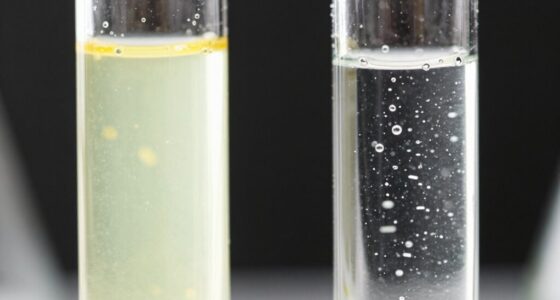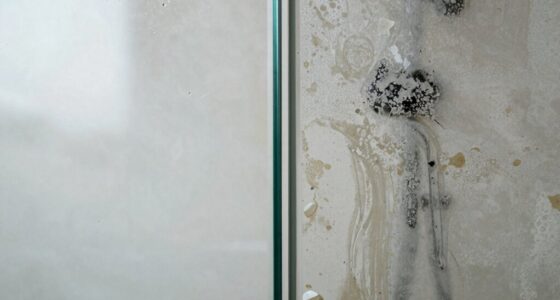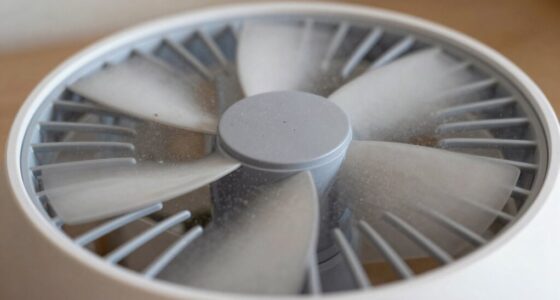

Fine dust is harder to remove than visible dirt because its tiny particles, measuring less than 10 micrometers, can easily become airborne and cling to surfaces. Traditional cleaning methods often stir dust back into the air or miss these elusive particles completely. Quick dusting can actually worsen air quality. To effectively tackle fine dust, it’s essential to use specific techniques and tools. Discover how to keep your space cleaner and healthier by implementing better strategies.

Get cleaning gear delivered free — and shop member deals
- Fast, free delivery on millions of items
- Access to Prime Big Deal Days deals on October 6–7
- Prime Video, Amazon Music and more included
Key Takeaways
- Fine dust particles are smaller than 10 micrometers, making them easily airborne and difficult to target during cleaning.
- Traditional cleaning methods, like sweeping, can stir fine dust back into the air instead of removing it.
- Standard vacuums often miss tiny dust particles, leaving them behind on surfaces.
- Fine dust clings to surfaces and can embed in fabrics, making it harder to dislodge.
- Accumulation occurs in overlooked areas, complicating consistent removal efforts.
When fine dust settles in your home, it can sneakily affect air quality and your health. Unlike visible dirt, which you can easily spot and wipe away, fine dust is often elusive, lurking in corners and on surfaces that don’t get much attention. This tiny particulate matter can infiltrate your living space, making it harder to eliminate and posing potential health effects that you might not even realize. Understanding why fine dust is so much harder to remove than visible dirt can help you adopt better cleaning techniques and maintain a healthier environment.
Fine dust particles are incredibly small, often measuring less than 10 micrometers in diameter. This means they can easily become airborne, floating around your home and settling on various surface materials. When you clean visible dirt, you can usually see it and target it directly. However, fine dust can cling to surfaces, embedding itself in fabric, carpets, and even electronic devices. Because it’s so fine, traditional cleaning methods like sweeping or dusting can often just stir it up, sending it back into the air rather than removing it. You might find that after a quick dusting, the air quality feels worse rather than better.
To effectively combat fine dust, you need to employ specific cleaning techniques. Using a damp cloth instead of a dry one can trap dust particles more effectively. Vacuuming with a HEPA filter is also essential, as it can capture those tiny particles that standard vacuums might miss. Pay special attention to areas that often accumulate fine dust, such as baseboards, blinds, and behind furniture. It’s also important to consider indoor air quality solutions like air purifiers and sensors, which can help monitor and improve the air you breathe. Regular cleaning of surfaces that trap fine dust is crucial, especially since surface materials like wood or fabric can hold onto dust more than others. Incorporating air filtration devices can significantly reduce the amount of fine dust lingering in your environment. It’s important to remember that some surface materials, like wood or fabric, can hold onto dust more than others. Regular cleaning of these surfaces is vital for maintaining better air quality.
The health effects of fine dust are varied and can include respiratory issues, allergies, and even long-term cardiovascular problems. By recognizing the challenges fine dust presents, you can take proactive steps to minimize its presence in your home. Implementing consistent cleaning routines and using the right techniques can lead to a significant improvement in your indoor air quality. So, while fine dust may be sneaky, with the right approach, you can effectively tackle it and create a healthier living space for you and your family.
As an affiliate, we earn on qualifying purchases.
Frequently Asked Questions
What Causes Fine Dust to Accumulate Indoors?
Fine dust accumulates indoors primarily from various sources like pet dander, pollen, and fibers from furniture. Your indoor activities, such as cooking, cleaning, and even moving around, stir up particles that settle on surfaces. Open windows can also let in outdoor dust, contributing to the buildup. Regular cleaning, using air purifiers, and minimizing clutter can help you manage these sources effectively and reduce the fine dust in your home.
How Does Fine Dust Impact Health?
Fine dust can silently wreak havoc on your health. You might not notice it at first, but long-term exposure can lead to serious respiratory issues. As those tiny particles linger in your airways, they can cause inflammation and trigger asthma attacks. You may experience coughing or shortness of breath without realizing the underlying cause. It’s essential to tackle fine dust in your environment to protect your lungs and overall well-being.
Can Air Purifiers Effectively Reduce Fine Dust?
Yes, air purifiers can effectively reduce fine dust in your space. Their filter effectiveness plays an essential role in improving air quality by trapping tiny particles that traditional cleaning methods might miss. When you choose a purifier with a HEPA filter, you’ll notice a significant drop in fine dust levels. Regular maintenance, like replacing filters, guarantees your purifier continues to work efficiently, helping create a healthier environment for you and your family.
Is Fine Dust Harmful to Pets?
Yes, fine dust can be harmful to your pets. You might notice your furry friend sneezing or coughing unexpectedly. This fine dust can cause respiratory issues and trigger dust allergies, making it hard for them to breathe comfortably. If you’ve got a pet with pre-existing conditions, the effects can be even more pronounced. Keeping your home clean and using air purifiers can help reduce their exposure and keep them healthy.
What Materials Trap Fine Dust Best?
Microfiber cloths and HEPA filters trap fine dust best. When you use microfiber cloths, their tiny fibers grab and hold onto dust particles effectively, making cleaning a breeze. For your air quality, HEPA filters work wonders by capturing even the smallest particles, including fine dust, ensuring cleaner air in your home. Incorporating both into your cleaning routine will help you manage dust and create a healthier environment for you and your pets.
As an affiliate, we earn on qualifying purchases.
Conclusion
In the battle against dirt, you’ve got visible grime that’s easy to wipe away, while fine dust stealthily settles, eluding your efforts. It’s like chasing shadows—what you can see is manageable, but what you can’t is a persistent foe. Just as sunlight reveals hidden particles, your determination to tackle fine dust makes all the difference. So, while it’s tougher to remove, that challenge transforms your space into a truly clean haven, proving that persistence pays off.
damp microfiber cloth for dusting
As an affiliate, we earn on qualifying purchases.
As an affiliate, we earn on qualifying purchases.
As an affiliate, we earn on qualifying purchases.
Evergreen bestsellers Picks
bestsellers
As an affiliate, we earn on qualifying purchases.