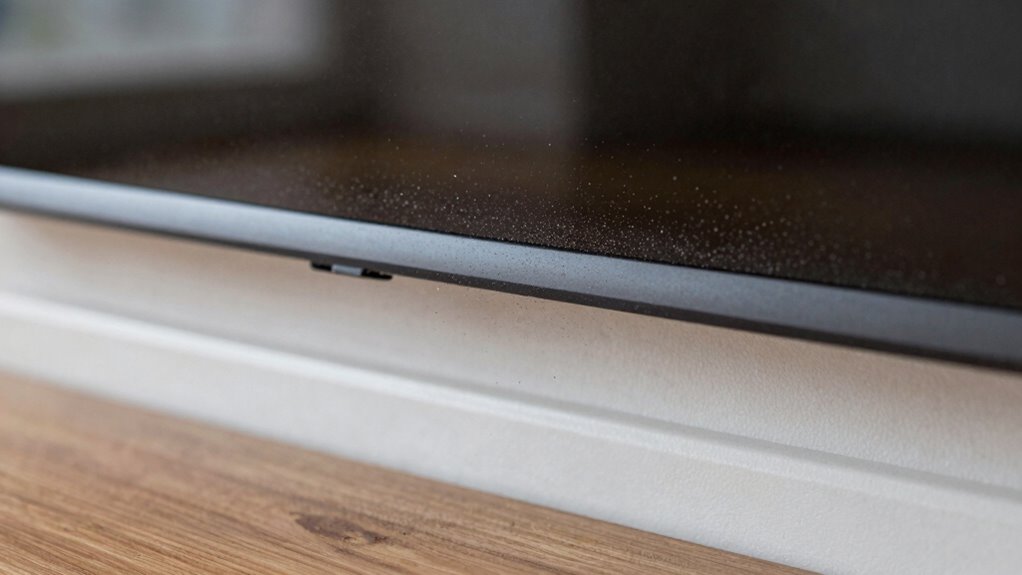

Electrostatic dust loves screens, baseboards, and floors because these surfaces tend to develop static charges from contact, friction, or low humidity. This electrical imbalance attracts tiny dust particles, making these areas appear dustier over time. Dry environments and synthetic materials increase static buildup, which explains why dust clings so stubbornly. Keeping surfaces clean and increasing indoor humidity can help reduce static and dust. If you want to understand how to control this attraction, there’s more to discover.
Key Takeaways
- Static charges build up more on surfaces like screens, baseboards, and floors due to contact, friction, and low humidity.
- These surfaces tend to hold static electricity, attracting lightweight dust particles through electrostatic attraction.
- Dry indoor environments amplify static charge, increasing dust accumulation on these surfaces.
- Synthetic materials in electronics and furniture are more prone to static buildup, drawing in dust more readily.
- Regular cleaning and increasing indoor humidity help reduce static charge and minimize dust attraction on these surfaces.
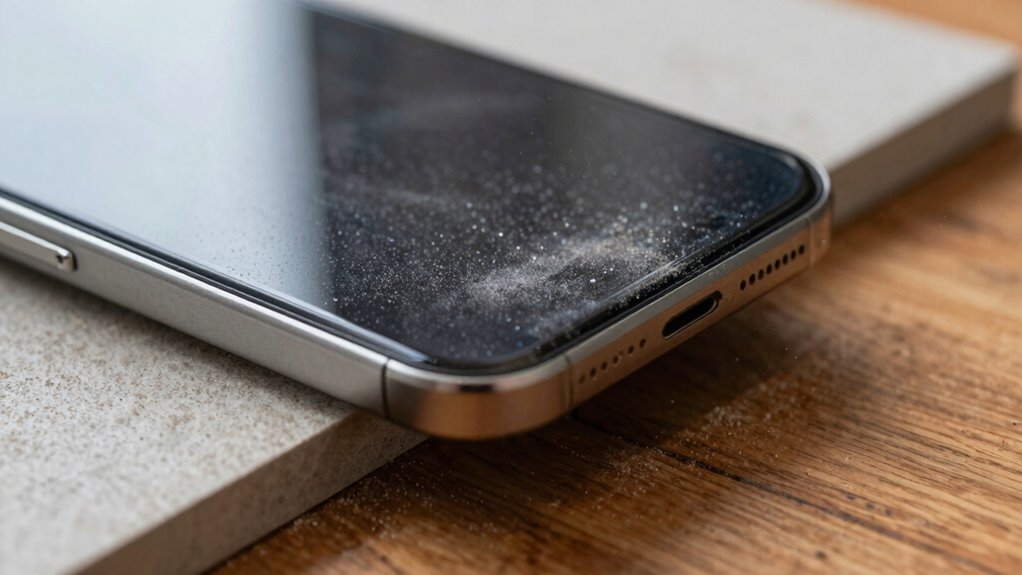
Have you ever wondered how dust seems to cling to surfaces even without visible forces? The answer lies in a sneaky electrical phenomenon called electrostatic charge. When surfaces and particles come into contact or rub against each other, they can develop an electrostatic charge, which is basically an imbalance of electrical energy. This imbalance creates an invisible attraction—dust attraction—that pulls tiny dust particles toward certain surfaces, especially screens, baseboards, and floors. You might notice that your TV screen or computer monitor seems to attract more dust than other areas. That’s because these surfaces tend to hold a static charge, making them magnets for dust particles.
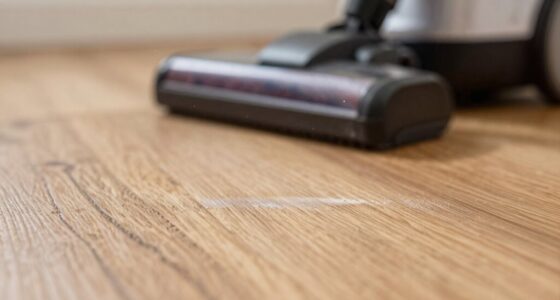
Electrostatic charge builds up when materials rub against each other or are exposed to dry air, which is common in indoor environments. Plastic, glass, and certain painted surfaces are particularly prone to developing a static charge. When dust particles, which are often tiny and lightweight, come into contact with these charged surfaces, they become attracted and stick without any visible force. This attraction isn’t random; it’s driven by the electrical imbalance created by the electrostatic charge. The smaller and lighter the dust particles, the more susceptible they are to this electrostatic pull. That’s why dust seems to vanish from some surfaces easily, only to reappear shortly after cleaning.
Dust particles are attracted to static-charged surfaces, making cleaning and humidity control essential.
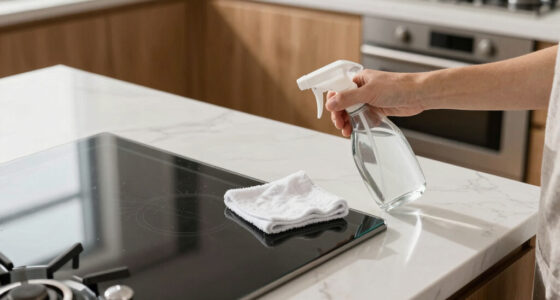
You might also notice that dust accumulates more quickly on screens and baseboards, especially in dry seasons or winter when indoor air tends to be less humid. Low humidity levels increase static buildup because moisture in the air helps dissipate static charges. When humidity is low, static charges can grow stronger, making dust attraction more intense. This is why wiping down your screens and baseboards with a damp cloth can help reduce static buildup temporarily, because moisture can neutralize some of the electrostatic charge, decreasing dust attraction.
Understanding electrostatic charge can help you manage dust better. Regular cleaning with damp cloths or electrostatic dusters can prevent static buildup and reduce dust attraction. Using humidifiers to increase indoor humidity also diminishes static electricity, making surfaces less prone to attracting dust. Keep in mind that synthetic materials and dry environments amplify this effect, so opting for natural fibers and maintaining higher humidity levels can make a noticeable difference. Additionally, proper ventilation can help reduce static buildup indoors. In the end, knowing that dust is attracted by electrostatic charge explains why it’s so persistent and why certain surfaces seem to gather dust more than others. By controlling static electricity, you can keep your home cleaner and reduce the constant battle with airborne dust particles.

Kitchen + Home 23” inch Rainbow Static Duster – Electrostatic Feather Duster Attracts dust Like a Magnet!
ATTRACTS DUST – You don't even have to touch the dust to pick it up. Just wipe gently…
As an affiliate, we earn on qualifying purchases.
As an affiliate, we earn on qualifying purchases.
Frequently Asked Questions
How Does Electrostatic Dust Affect Indoor Air Quality Long-Term?
Electrostatic dust can negatively impact your indoor air quality long-term by increasing dust accumulation, which may trigger allergies and respiratory issues. It can also clog air filtration systems, making them less effective over time. To maintain healthy air, regularly clean surfaces, use high-quality filters, and reduce dust buildup. This way, you keep your indoor environment cleaner and breathe easier, minimizing long-term health risks associated with persistent dust and poor air filtration.
Can Electrostatic Dust Cause Allergies or Asthma?
Yes, electrostatic dust can trigger allergies or asthma. When the dust settles on surfaces, it often contains dust mites and other allergens. If you have allergies or asthma, these particles can cause flare-ups by irritating your airways. Regular cleaning helps reduce dust buildup, lowering your risk of allergy symptoms. Keep surfaces and screens dust-free to minimize exposure and protect your respiratory health.
What Materials Are Most Prone to Electrostatic Dust Buildup?
You’ll notice synthetic fibers and plastic surfaces are most prone to electrostatic dust buildup. Imagine a plastic TV screen or synthetic curtains attracting dust like a magnet, thanks to static electricity. These materials generate static charges easily, which then pulls in dust particles from the air. So, anytime you have plastic surfaces or synthetic fabrics, expect more electrostatic dust to settle and cling, making cleaning a bit more challenging.
How Often Should I Clean Surfaces to Reduce Electrostatic Dust?
You should clean surfaces at least once a week to reduce electrostatic dust buildup. Regular cleaning frequency prevents dust from accumulating on high-risk areas like screens, baseboards, and floors. Focus on surface selection by choosing materials less prone to static, such as damp microfiber cloths, to effectively remove dust. Consistent cleaning not only minimizes dust but also improves indoor air quality and keeps your home looking tidy.
Are There Eco-Friendly Ways to Control Electrostatic Dust?
Did you know that using natural cleaning methods can reduce dust accumulation by up to 50%? To control electrostatic dust eco-friendly, you can incorporate natural cleaning solutions like vinegar and baking soda, which are safe and effective. Regular dusting with a damp cloth and avoiding harsh chemicals helps maintain a healthier environment. These eco-friendly solutions are sustainable, cost-effective, and minimize chemical exposure, making your home cleaner and greener.

VIVOSUN AeroStream H05 Intelligent Wi-Fi Humidifier, 1.32 Gal / 5 L Humidifier with Temp & Humidity Probe, Smart Remote Control, Designed for Growers
Superior Humidity Control: This advanced ultrasonic humidifier delivers whisper-quiet, precise humidification with 1% humidity resolution; A highly sensitive…
As an affiliate, we earn on qualifying purchases.
As an affiliate, we earn on qualifying purchases.
Conclusion
So, stay savvy and sweep away static struggles by scrubbing screens, floors, and baseboards regularly. Recognize the role of static in attracting dust and resist the relentless rise of residues. With mindful maintenance, you can minimize messes and maximize cleanliness. Remember, consistent cleaning counters static’s cling, creating a cleaner, calmer space. Stay vigilant, and vacuum vibrations will vanish, leaving your living environment lively, light, and less laden with lingering dust.

Hudson Hi-Fi Anti Static Microfiber Record Cleaning Cloth – 5 pk – The Audiophiles Anti-Scratch Lint & Dust Magnets – 7X Capillary Absorption LP & Record Cover Cleaner Protector Cleaning Cloths
Keep Your Collection Clean – Remove dust and dirt from your LP surface without scratching and get deep…
As an affiliate, we earn on qualifying purchases.
As an affiliate, we earn on qualifying purchases.

iHUFeather Rainbow Extendable Static Duster Reusable Microfiber Duster with 100" Telescoping Pole, Beandable and Washable Dusters Head for Cleaning Ceiling, Fan, Furniture
Product Specifications: This extendable microfiber duster is 100in long and includes a detachable retractable handle and two different…
As an affiliate, we earn on qualifying purchases.
As an affiliate, we earn on qualifying purchases.