
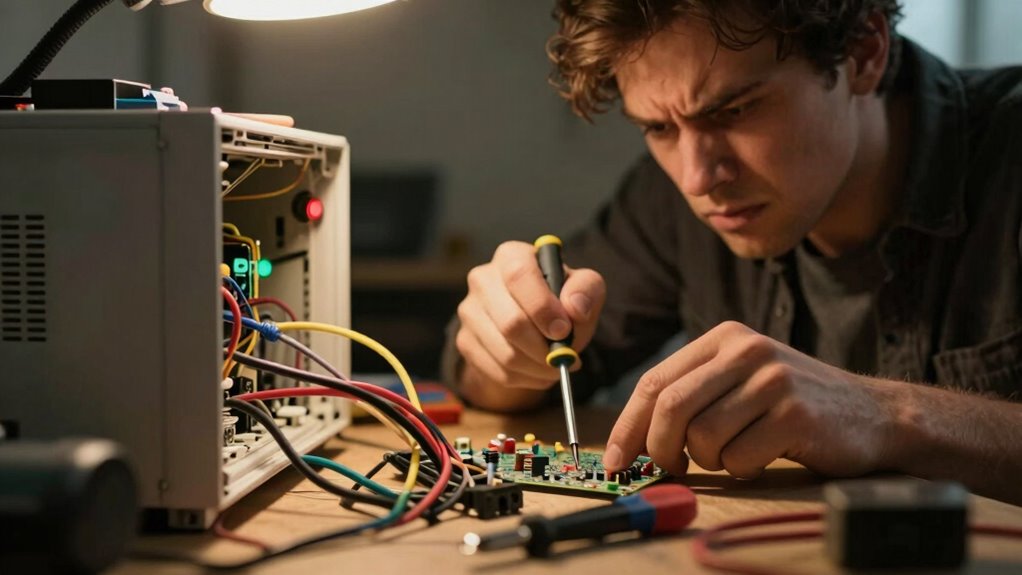

If you notice safety hazards like sparks, smoke, or strange noises, or if a task feels beyond your skills, it’s time to stop DIY and call in a pro. Complex problems involving electrical, plumbing, or structural work, persistent issues, or signs that your efforts are making things worse mean you’re better off seeking expert support. Continuing without addressing these warning signs can lead to accidents or costly damage. Learn more about when to step back and get help.
Key Takeaways
- If safety hazards like exposed wiring, smoke, or structural damage are present, stop and call professionals immediately.
- When tasks involve complex electrical, plumbing, or structural work beyond your skill level, seek expert support.
- Persistent problems or worsening conditions despite DIY efforts indicate it’s time to get professional help.
- Signs of unsafe practices, such as neglecting safety gear or causing damage, mean you should stop and consult support.
- When costs, time, or frustration outweigh potential benefits, hiring a professional is more efficient and safer.
How to Know When Your DIY Skills Aren’t Enough
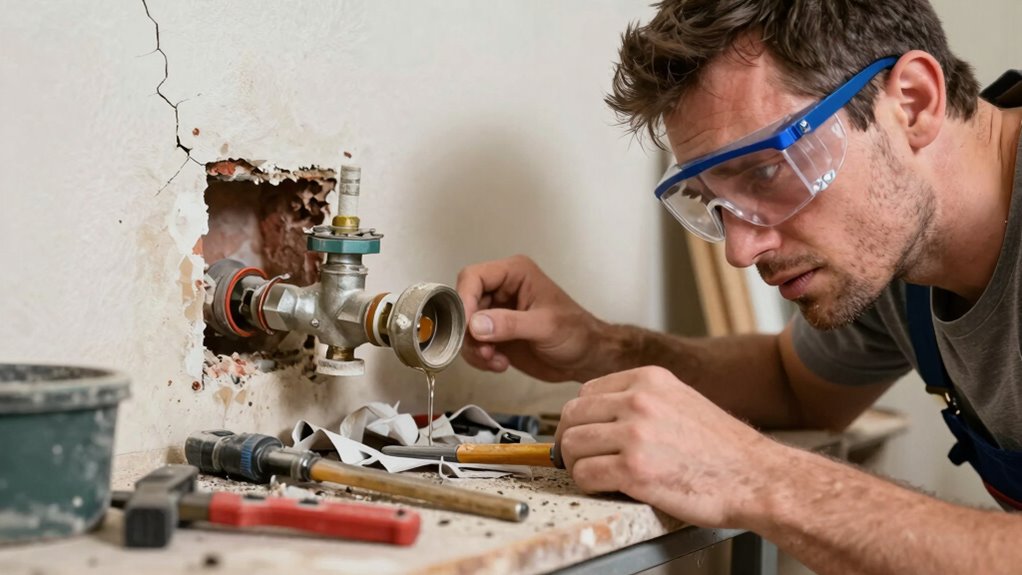
Knowing when to stop trying to fix something yourself can save you time, money, and frustration. The first sign your DIY skills aren’t enough is when safety concerns arise. If you feel unsure about how to handle electrical wiring, plumbing, or structural repairs, it’s a clear indicator you need professional help. Conduct a skill assessment honestly; if tasks seem beyond your experience or confidence, don’t try to push through. Attempting complex repairs without proper knowledge can lead to accidents, injuries, or further damage. Trust your instincts—if you’re questioning your ability or worried about safety, it’s time to call support. Recognizing your limitations in expertise can prevent more serious issues down the line. Additionally, understanding the physics behind complex repairs can be crucial in deciding when to seek professional assistance. Being aware of proper safety procedures is essential to avoid risks during DIY projects.
Warning Signs Your DIY Work Is Unsafe
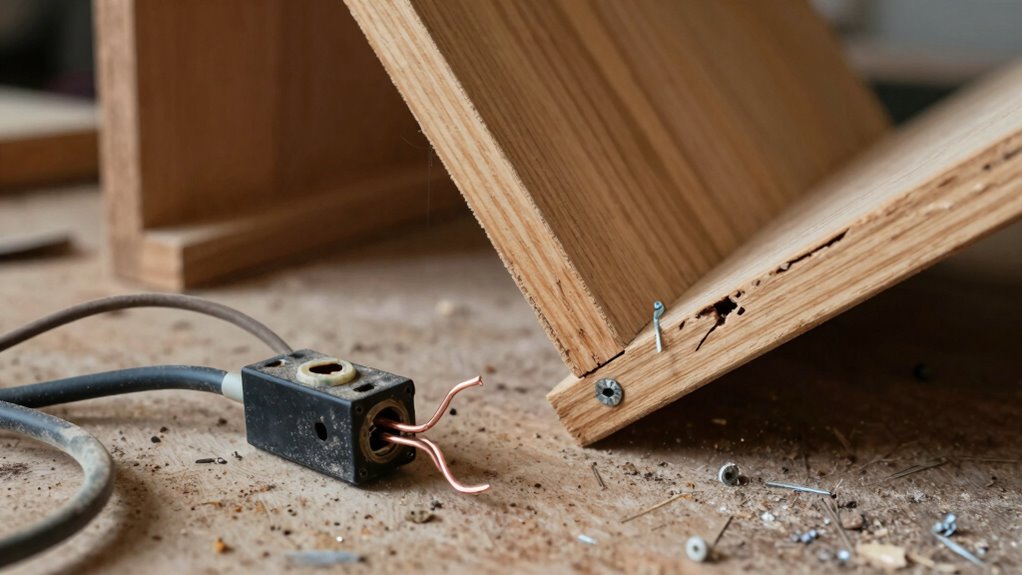
If you’re unsure whether your DIY repairs are up to code or safe to use, watch for warning signs that indicate your work might be dangerous. Poor tool safety practices, like using the wrong tools or neglecting safety gear, can lead to accidents or faulty repairs. Cracks, loose fittings, or exposed wiring are clear signs your work isn’t secure. If your repairs compromise electrical, plumbing, or structural integrity, it’s a red flag. Also, if you haven’t considered emergency preparedness, such as knowing how to shut off utilities or handle potential hazards, your DIY project could become hazardous. Always prioritize safety. When you spot these warning signs, it’s best to stop and call a professional to avoid risking injury or further damage. Additionally, neglecting proper ventilation considerations can result in poor air quality or heat buildup, increasing safety risks. Being aware of hazardous materials involved in your projects can help prevent exposure to dangerous substances. Moreover, ignoring proper safety protocols can significantly increase the likelihood of accidents during repairs. Recognizing the importance of professional consultation can prevent costly mistakes and ensure your project remains safe and compliant.
Complex Problems That Need a Pro’s Help
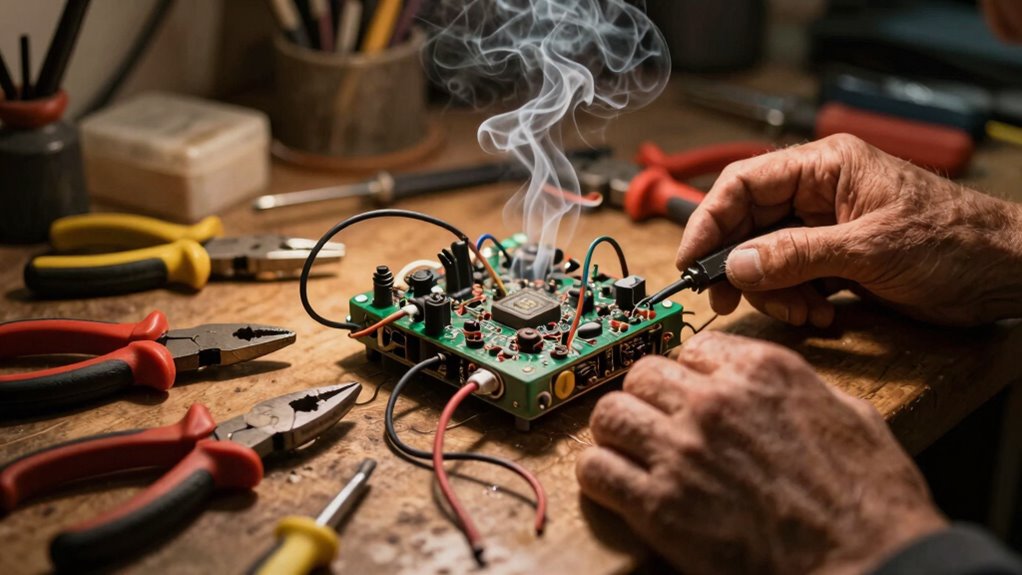
When you encounter complex problems with your DIY project, attempting to fix them yourself can quickly lead to safety issues or further damage. These challenges often require advanced techniques that go beyond basic skills, risking incorrect repairs or accidents. Specialized tools are essential for handling intricate tasks safely and effectively, but without proper training, you might misuse them. If you find yourself stuck on issues involving electrical wiring, plumbing, or structural elements, it’s a clear sign you should call a professional. Experts have the experience and equipment needed to diagnose and resolve these problems correctly. Recognizing signs of electric power generation that are not suitable for the task can also help prevent mishaps. Don’t push forward if the task feels overwhelming or unsafe—trust a pro to ensure the job is done right and your safety remains intact.
Persistent DIY Issues That Require an Expert
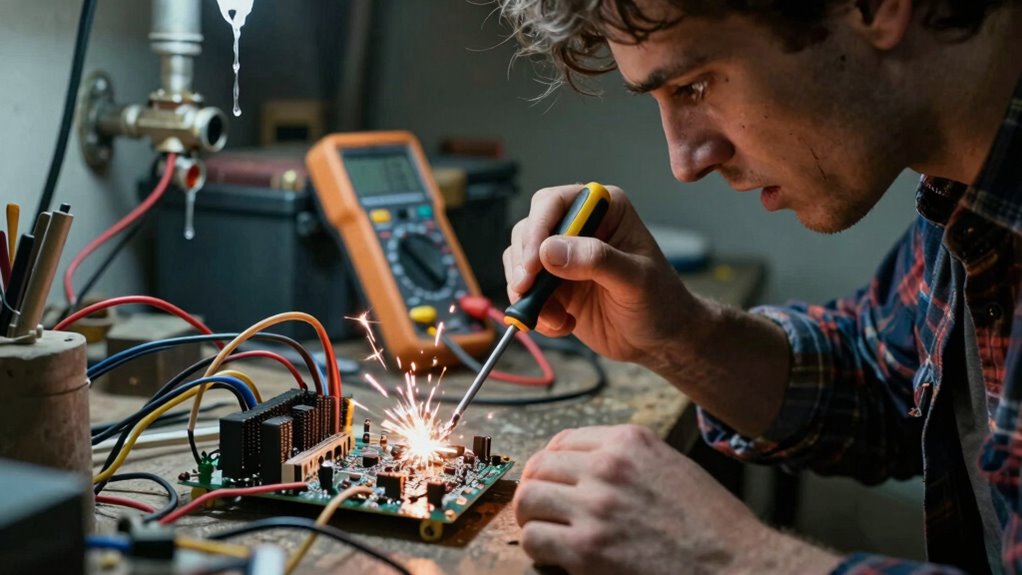
Even after attempting fixes and seeking help for complex issues, some problems can persist, making continued DIY efforts unwise. These DIY pitfalls often result in wasting time, money, and risking further damage. If you find yourself repeatedly troubleshooting the same problem without success, it’s a clear sign you need an expert. Persistent issues like ongoing leaks, electrical faults, or persistent error codes require professional assessment and repair. Relying on expert tips can save you from making things worse. When DIY efforts don’t resolve the issue after a reasonable attempt, it’s time to step back and call support. Ignoring these signs can lead to bigger problems down the line, so recognizing when to stop is vital for safety and efficiency. Understanding kitchen science & materials can also help you better evaluate when a problem exceeds typical DIY scope. Recognizing the limits of home maintenance skills can prevent further complications and ensure safety. Additionally, being aware of essential oils’ proper uses and safety precautions can prevent potential misuse or adverse effects if you’re trying to address issues related to health or household remedies. Knowing when to seek professional help is essential to avoid costly mistakes and ensure the problem is properly addressed. Moreover, considering the integration of smart home fitness technology can sometimes provide insights into troubleshooting ongoing equipment issues more effectively.
When DIY Costs and Time Are No Longer Worth It
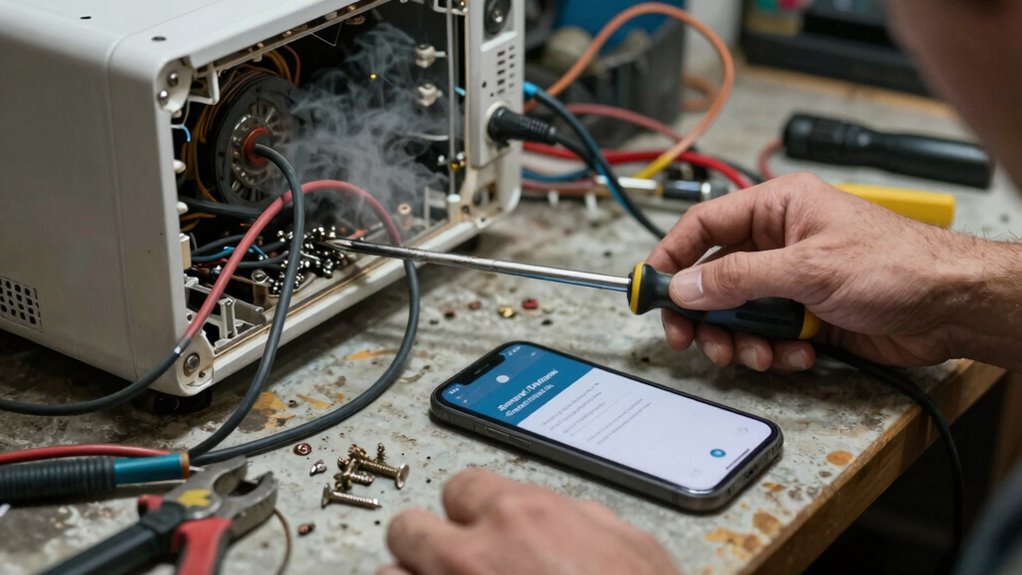
As DIY projects drag on and costs start piling up, it becomes clear that continuing may no longer be practical. Conducting a thorough cost analysis helps you determine if your expenses are outweighing the benefits. If you’re spending more on tools, materials, and replacements than you would paying a professional, it’s a strong signal to stop. Additionally, consider your skill development; if progress stalls or mistakes become costly, your time and effort may no longer be justified. Prolonging a project just to improve skills can backfire, leading to frustration and higher expenses. Recognizing when your investment of time and money no longer yields value is essential. Sometimes, stepping back and seeking expert support saves you both money and headaches in the long run.
Will Hiring a Pro Save You Money?
Thinking about hiring a professional might seem costly upfront, but consider the potential expenses of mistakes you could make on your own. Your time and effort also have value, which can add up quickly. Sometimes, paying a pro saves you money in the long run. Recognizing the most in-demand categories where expert help is beneficial can prevent costly errors and ensure quality results. Additionally, professionals often employ specialized techniques that are difficult to master independently. Understanding DIY pitfalls related to backyard transformation and poolside setups can help you decide when it’s better to seek expert assistance.
Cost of Mistakes
Hiring a professional might seem like an unnecessary expense at first, but it can save you money in the long run by preventing costly mistakes. When you tackle a project on your own, you risk falling into financial pitfalls that lead to bigger repair expenses if errors occur. Small mistakes, like improperly wiring or sealing, can cause damage that’s expensive to fix later. These errors often aren’t immediately obvious, and fixing them after the fact can cost more than hiring a pro upfront. By investing in a skilled expert, you reduce the chances of mistakes that could compromise safety or cause property damage. Proper tool operation techniques and understanding of safety procedures are essential to avoid mistakes that could result in costly repairs. Additionally, knowing fire safety precautions specific to outdoor cooking setups can prevent dangerous incidents. It’s also important to recognize when issues are outside your expertise and require professional attention, as misjudging this can lead to dangerous or expensive consequences. Understanding cookie categories and how they impact your browsing experience helps you make informed decisions when seeking professional help online. Ultimately, the initial cost of a professional can protect you from the financial burden of preventable errors down the line.
Time and Effort Investment
While tackling a DIY project might seem cost-effective initially, it often requires a significant investment of time and effort that can outweigh the savings. Your budget considerations might suggest doing it yourself to save money, but the hours spent troubleshooting, researching, and fixing mistakes add up quickly. Plus, emotional attachment to a project can make it harder to accept when things go wrong, leading to frustration and wasted effort. If you find yourself spending weekends on a task that isn’t progressing, it’s worth considering whether hiring a professional would be more efficient. Sometimes, the time and effort you put in aren’t worth the eventual savings; instead, calling support can save you energy, reduce stress, and ensure the job gets done right the first time.
How and When to Call a Professional
Knowing when to call a professional depends on recognizing safety risks and honestly evaluating your skill level. If a task feels dangerous or beyond your experience, it’s time to seek expert help. Don’t risk injury or damage—trust your judgment and know when to make the call.
Recognize Safety Risks
Safety risks are a clear sign that it’s time to call in a professional rather than attempting to fix the issue yourself. If you notice electrical hazards like sparks, exposed wiring, or frequent circuit breaker trips, don’t risk further damage or injury—call a licensed electrician. Structural instability, such as cracked walls, sagging floors, or leaning support beams, also warrants expert intervention. These issues can cause collapse or serious injuries if mishandled. Never ignore warning signs like burning smells, smoke, or strange noises coming from appliances or structural elements. Trying to fix these problems yourself can lead to accidents or more severe damage. When safety risks are present, prioritize professional help to protect yourself, your family, and your property.
Assess Skill Level
Evaluating your skill level is essential before attempting any repair or installation. A thorough skill assessment helps you determine if you have the DIY competence needed to handle the task safely and effectively. Be honest about your experience with similar projects, and consider whether you understand the tools and procedures involved. If you’re unsure about any step, it’s a sign to call a professional. Pushing through without proper skills can lead to mistakes, damage, or safety hazards. Recognize your limits and know when to stop. If the project exceeds your skill level, it’s always smarter to seek expert help. Doing so ensures the job gets done right and minimizes risks to you and your property.
Frequently Asked Questions
How Do I Identify Hidden Dangers in DIY Projects?
You can identify hidden hazards in DIY projects by paying close attention to safety indicators like unusual smells, strange sounds, or unexpected reactions. Always check for potential electrical, chemical, or structural risks that aren’t immediately obvious. If you notice any warning signs, such as sparks, leaks, or instability, it’s best to stop and seek professional support. Trust your instincts—safety always comes first when uncovering hidden dangers.
What Are the Legal Implications of DIY Mistakes?
Think of DIY mistakes as landmines waiting to explode. If you mess up, you could face serious legal implications like liability concerns if someone gets hurt or damages occur. Insurance implications are also at stake; your homeowner’s policy might not cover damages caused by unprofessional work. To avoid these pitfalls, know your limits and consider consulting professionals when legal or safety risks become too high.
When Should I Consider Replacing Tools Instead of Repairing?
You should consider replacing tools when their lifespan is near the end or repair costs outweigh buying a new one. If repairs become frequent and expensive, it’s more economical to replace the tool rather than keep fixing it. Damaged or worn-out tools also pose safety risks, so prioritizing replacement ensures you avoid accidents. Always evaluate whether ongoing repairs are worth it compared to investing in a new, more reliable tool.
How Can I Tell if My DIY Project Affects Home Safety?
You can tell your DIY project affects home safety if you notice electrical hazards like exposed wires or sparks, or if structural integrity seems compromised, such as sagging beams or cracked walls. These issues can pose serious risks, so stop immediately. Don’t take chances—call a professional to assess and fix the problem safely. Ignoring these signs could lead to accidents, injuries, or more costly repairs down the line.
Are There Resources to Help Me Decide When to Call a Pro?
You should turn to online resources and seek professional consultation whenever you’re unsure about your project’s safety or complexity. These resources often include DIY guides, safety tips, and warning signs that indicate when it’s time to call a pro. If you encounter unexpected issues or feel overwhelmed, don’t hesitate to contact a professional to guarantee safety and proper completion, preventing costly mistakes or hazards.
Conclusion
Knowing when to call a pro can save you time, money, and potential hazards. If DIY efforts keep causing more problems or feel overwhelming, isn’t it time to get expert help? Sometimes, the best choice isn’t to fix it yourself but to trust someone with the skills to do it right the first time. Don’t ignore those warning signs—your safety and peace of mind are worth it. When will you decide you’ve had enough DIY and call in the experts?