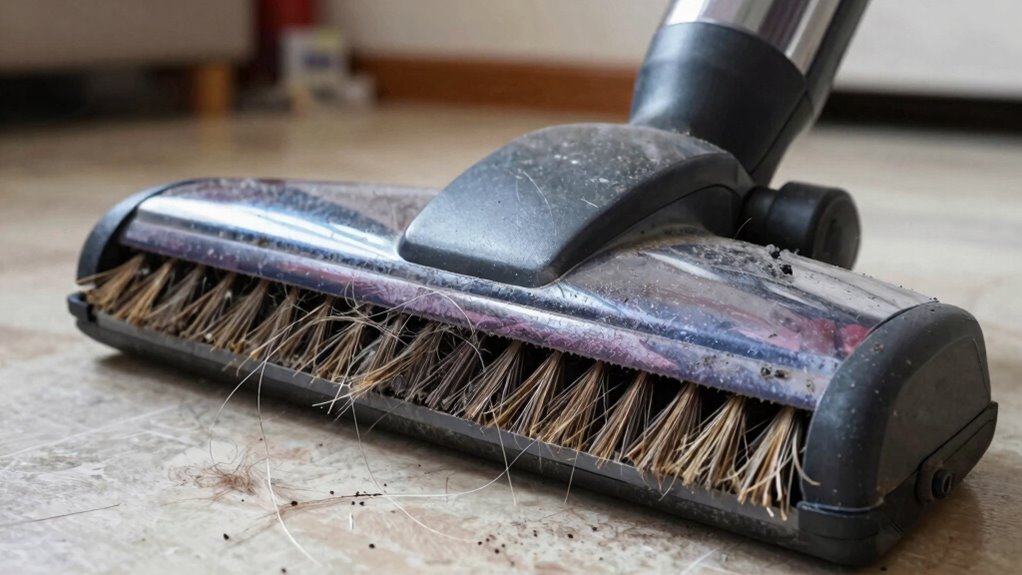

You’ll know a vacuum belt issue is starting if you hear unusual noises like grinding or squealing. If dirt is left behind, that’s a sign of loss of suction. Check if the brush roll isn’t spinning effectively or if you spot cracks and fraying on the belt. Any of these issues might mean it’s time for a replacement. Keep an eye on these signs to maintain your vacuum’s performance and keep it running smoothly. There’s more to discover!

Get cleaning gear delivered free — and shop member deals
- Fast, free delivery on millions of items
- Access to Prime Big Deal Days deals on October 6–7
- Prime Video, Amazon Music and more included
Key Takeaways
- Listen for unusual noises like grinding or squealing during vacuum operation, indicating potential belt wear.
- Notice a loss of suction, leaving dirt behind or reducing cleaning effectiveness.
- Check if the brush roll struggles to spin, which may signal belt damage.
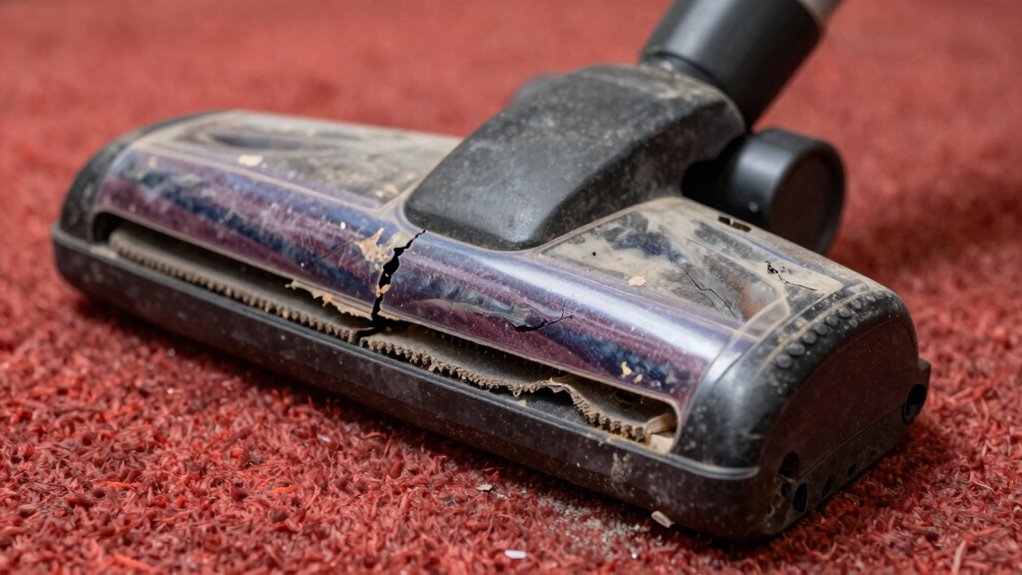
- Inspect the belt visually for cracks, fraying, or other signs of wear.
- If any issues are present, consider replacing the belt promptly to maintain vacuum efficiency.
Have you ever wondered why your vacuum isn’t picking up dirt as effectively as it used to? If so, the culprit might be an issue with your vacuum belt. Over time, belts wear out due to constant friction and tension, which can lead to a noticeable drop in vacuum performance. Understanding the signs of belt wear can help you troubleshoot the problem before it gets worse.
First, pay attention to any unusual noises when you run your vacuum. If you hear a grinding or squealing sound, this could indicate that the belt is slipping or has lost its grip. This isn’t just annoying; it’s a clear sign that the belt might need replacement. Another indicator is a loss of suction. If your vacuum seems to be leaving dirt behind or isn’t picking up debris as it used to, the belt could be the issue. Make sure to check the brush roll as well, since a damaged belt might not be able to spin it effectively. Regular maintenance can also prevent belt issues by keeping the brush roll and other components in good condition.
When you suspect belt wear, follow these troubleshooting steps. Start by unplugging your vacuum and inspecting the belt visually. Look for cracks, fraying, or any signs of wear. If you notice any of these replacement signs, it’s time for a new belt. Depending on your vacuum model, replacing the belt can be a straightforward task, often detailed in the user manual. Additionally, checking the motor or drive belt regularly can help identify early signs of wear before it impacts performance. Incorporating preventative maintenance into your routine can significantly extend the lifespan of your vacuum and reduce unexpected repairs. Regularly examining the belt tension and alignment can also help prevent premature wear and tear.
Regular maintenance is key to prolonging the life of your vacuum. Incorporate some simple maintenance tips into your routine, like checking and cleaning the filter, ensuring the brush roll is free from hair and debris, and, of course, inspecting the belt periodically. Utilizing proper cleaning methods will not only enhance vacuum performance but also keep your machine running efficiently for longer.
If you’ve checked the belt and it looks fine, take a look at other parts of your vacuum. Sometimes, blockages in hoses or filters can mimic belt issues. Clearing these obstructions can restore your vacuum’s efficiency, reducing the need for immediate belt replacement.
As an affiliate, we earn on qualifying purchases.
Frequently Asked Questions
How Often Should I Replace My Vacuum Belt?
You should replace your vacuum belt every 6 to 12 months, depending on usage. Keep an eye out for signs of belt wear, like unusual noises or reduced suction. If you notice any fraying or cracks, it’s time for a replacement. Regularly checking your vacuum’s performance can help you catch these issues early, ensuring your vacuum runs efficiently. Don’t wait until it’s too late; proactive maintenance saves you hassle down the line!
Can I Use My Vacuum Without a Belt?
You can’t use your vacuum without a belt if you want it to function properly. The belt drives the brush roll, which is essential for effective cleaning. Without it, you lose that vacuum functionality, and dirt won’t be picked up. While some belt types are easier to replace, running your vacuum without one can damage the motor. So, it’s best to replace the belt to keep your vacuum running smoothly.
What Tools Do I Need to Replace a Vacuum Belt?
To replace a vacuum belt, you’ll need a few basic tools. Grab a screwdriver for removing the cover, pliers to help with belt installation, and a clean cloth for belt maintenance. It’s also handy to have a replacement belt on hand. Make sure to consult your vacuum’s manual for specific instructions, and you’ll be ready to tackle that belt change efficiently and easily.
Are Vacuum Belts Universal for All Models?
Nope, vacuum belts aren’t universal for all models. Each vacuum design has its quirks, much like trying to fit a square peg in a round hole. Belt compatibility varies considerably due to model differences, so you’ve got to check your vacuum’s specifications. If you grab the wrong belt, you’ll end up with a vacuum that just won’t work right. Always consult your manual or manufacturer for the right fit!
How Do I Clean My Vacuum Belt?
To clean your vacuum belt, first unplug the vacuum. Remove the brush roll and inspect the belt for debris. Wipe it down with a damp cloth to remove dirt and dust. For belt maintenance, check for fraying or wear, as these are common issues. Reassemble the vacuum and verify the belt is properly aligned. Regular cleaning helps maintain efficiency and extends the life of your vacuum belt.
As an affiliate, we earn on qualifying purchases.
Conclusion
Keeping an eye on your vacuum belt can save you from bigger headaches down the line. If you notice unusual noises or reduced suction, don’t ignore them. It might seem like a hassle to check, but catching these issues early can extend your vacuum’s life and keep your home clean. Plus, you’ll feel accomplished tackling this small repair yourself. Trust me, you’ll be glad you did when your vacuum runs like new again!
As an affiliate, we earn on qualifying purchases.
As an affiliate, we earn on qualifying purchases.
Fall Picks
fall essentials
As an affiliate, we earn on qualifying purchases.