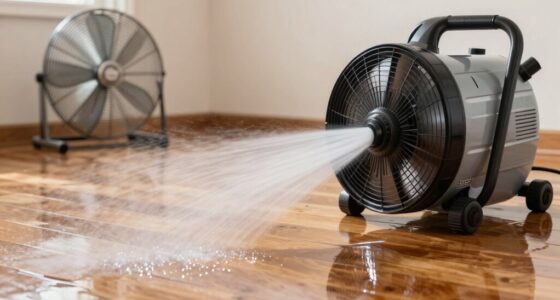

Auto filter cleaning helps your dust extractor stay efficient by automatically dislodging dust and debris from the filters, preventing clogging and maintaining steady airflow. It detects when filters are getting dirty and activates cleaning cycles using bursts of compressed air or vibrations. This process reduces manual maintenance, lower downtime, and keeps your system working at peak performance. Keep going to discover how this smart feature improves safety, air quality, and saves you time and money.
Key Takeaways
- Detects when filters are clogging and activates cleaning cycles automatically.
- Uses compressed air or vibration to dislodge dust and debris from filters.
- Maintains optimal airflow and suction power for continuous operation.
- Reduces manual cleaning needs and extends filter lifespan.
- Enhances air quality and safety by preventing dust escape and buildup.
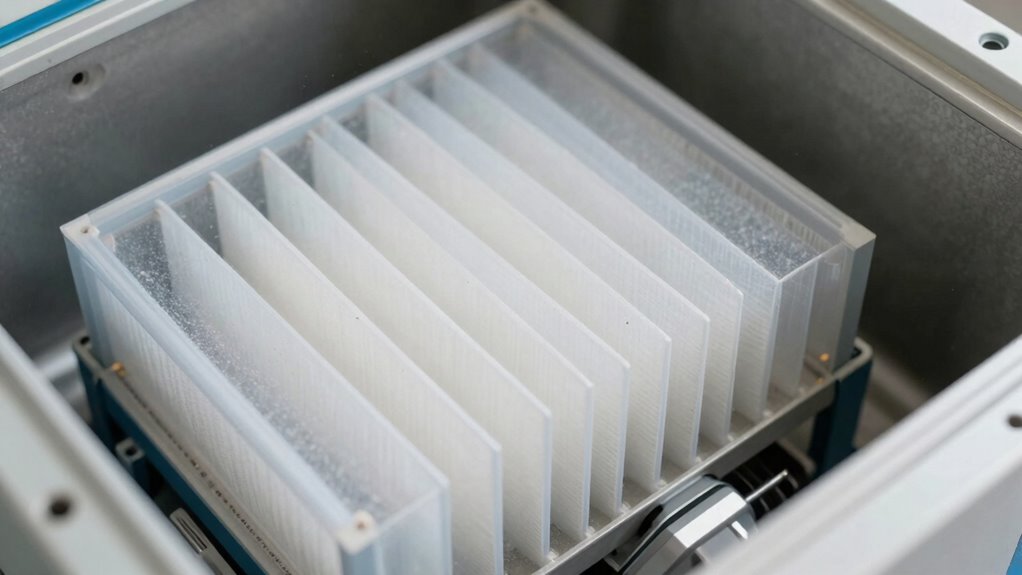
Auto filter cleaning in dust extractors has become an essential feature for maintaining ideal performance and reducing downtime. When you’re working in environments filled with dust, fumes, or debris, the efficiency of your dust extractor directly impacts your air quality and overall safety. Auto cleaning systems automatically remove accumulated dust from the filter, guaranteeing it remains clear and effective without requiring you to stop operations for manual maintenance. This ongoing cleaning process keeps airflow steady and prevents filter clogging, which can greatly hinder performance and increase the risk of poor air quality.
Auto filter cleaning maintains optimal performance and air quality by preventing clogging and reducing maintenance downtime.
By integrating auto filter cleaning into your dust extractor, you don’t need to remember to perform frequent manual cleanings or replace filters prematurely. Instead, the system senses when the filter’s efficiency drops below a certain threshold—often through differential pressure sensors—and activates the cleaning cycle. This cycle typically involves brief bursts of compressed air or vibration, dislodging dust particles and debris from the filter surface. As a result, your extractor maintains consistent suction power, capturing more dust and contaminants before they become airborne again. This continuous operation translates into better air quality, protecting you and your environment from the hazards of airborne dust and allergens. Proper filter maintenance is crucial to ensure the system’s longevity and optimal performance, especially in demanding work environments.
Implementing auto filter cleaning also impacts your maintenance schedule by reducing the frequency of manual interventions. You can plan fewer filter replacements and less downtime for cleaning routines, which helps keep your workflow smooth and efficient. Instead of waiting for filters to clog completely or for performance to decline, the system guarantees filters stay cleaner longer, saving you time and money. Additionally, because the cleaning process is automated, you’re less likely to forget or delay maintenance tasks, preserving the dust extractor’s maximum functionality and prolonging its lifespan. Proper dust control measures further support the effectiveness of these systems in maintaining a safe environment.
Moreover, auto filter cleaning systems contribute to safer working conditions by consistently maintaining high air quality standards. When filters stay clean, fewer dust particles escape into the environment, which is especially vital in spaces with strict air quality regulations or where hazardous dust is present. By keeping dust levels in check, you reduce health risks for workers and minimize the chances of fire or explosion hazards associated with dust accumulation. Incorporating air quality features further enhances these safety benefits by ensuring a healthier workspace overall. Additionally, understanding the importance of biodiversity in the broader context of environmental health underscores the value of maintaining clean air and reducing particulate pollution in industrial settings.
auto filter cleaning dust extractor
As an affiliate, we earn on qualifying purchases.
As an affiliate, we earn on qualifying purchases.
Frequently Asked Questions
How Often Should the Auto Filter Cleaning Cycle Run?
You should set the auto filter cleaning cycle based on your usage, typically every few hours or daily, to optimize filter lifespan and maintain cleaning frequency. Regular cleaning prevents buildup, extends filter life, and keeps your dust extractor running efficiently. Adjust the cycle depending on dust levels and workload—more frequent cleaning during heavy use helps avoid clogs and ensures consistent performance, protecting your equipment and workspace.
Can Auto Filter Cleaning Be Turned off Manually?
Is auto filter cleaning a magic trick you can control? Yes, you can turn it off manually. This might be necessary if you want to extend your filter’s lifespan or adjust cleaning frequency based on your workload. Keep in mind, turning it off means you’ll need to plan for more manual cleanings, which could impact overall efficiency. Always check your dust extractor’s settings to verify proper operation and filter maintenance.
Does Auto Filter Cleaning Affect Dust Extraction Efficiency?
Auto filter cleaning helps maintain your dust extractor’s efficiency by reducing dust accumulation on the filter, which can improve dust extraction performance. However, if not managed properly, it might shorten the filter lifespan due to more frequent cleaning cycles. When auto cleaning is active, you’ll notice consistent dust removal, ensuring peak operation. Turning it off can give you more control but may require manual cleaning to prevent decreased efficiency over time.
What Maintenance Is Required for Auto Filter Cleaning Systems?
Auto filter cleaning systems are like self-care routines for your dust extractor. You need to check the filters regularly to guarantee ideal performance, typically every few weeks or as recommended by the manufacturer. Keep an eye on the filter lifespan and replace filters when they become worn or damaged. Maintenance frequency depends on your usage, but staying proactive helps extend filter life and keeps your dust extractor running efficiently.
Is Auto Filter Cleaning Effective With All Dust Types?
Auto filter cleaning is effective with most dust types, but its efficiency depends on your filter’s lifespan and cleaning frequency. For fine or sticky dust, you might need to increase cleaning intervals to prevent clogging. Regularly maintaining the system ensures optimal performance, preventing filter damage and prolonging lifespan. Adjust cleaning frequency based on dust characteristics, and you’ll keep your dust extractor running smoothly and efficiently.
compressed air filter cleaner for dust extractor
As an affiliate, we earn on qualifying purchases.
As an affiliate, we earn on qualifying purchases.
Conclusion
Auto filter cleaning keeps your dust extractor running smoothly, much like a heartbeat that sustains life. It prevents clogs, boosts efficiency, and extends the device’s lifespan, ensuring you’re always ready for the next project. Think of it as a trusty sidekick, always cleaning up behind the scenes so you can focus on your work without interruption. With auto filter cleaning, your dust extractor stays in top shape—a silent champion supporting your craftsmanship every step of the way.
vibration filter cleaning system for dust extractor
As an affiliate, we earn on qualifying purchases.
As an affiliate, we earn on qualifying purchases.
automatic filter maintenance for dust extractor
As an affiliate, we earn on qualifying purchases.
As an affiliate, we earn on qualifying purchases.