
Oxidizers and enzymes target different types of odors efficiently. Oxidizers work quickly to neutralize stubborn chemical smells, smoke, and mold by breaking down odor molecules into harmless substances like water and carbon dioxide. Enzymes, on the other hand, naturally break down organic stains and organic-based odors from sources like pet messes or food spills. Understanding which approach suits your specific problem can help you choose the most effective solution—so keep exploring to find out more.

Get cleaning gear delivered free — and shop member deals
- Fast, free delivery on millions of items
- Access to Prime Big Deal Days deals on October 6–7
- Prime Video, Amazon Music and more included
Key Takeaways
- Oxidizers chemically break down stubborn odors like smoke and mold, providing quick neutralization.
- Enzymes target organic odors such as pet stains and food residues through biological digestion.
- Oxidizers are effective for deep-seated and persistent odors, while enzymes excel at organic, source-based odors.
- Use oxidizers for immediate odor removal; enzymes work best with ongoing or organic-related smells.
- Combining both methods can address a broader range of odors effectively.
As an affiliate, we earn on qualifying purchases.
How Do Oxidizers Work to Remove Odors?

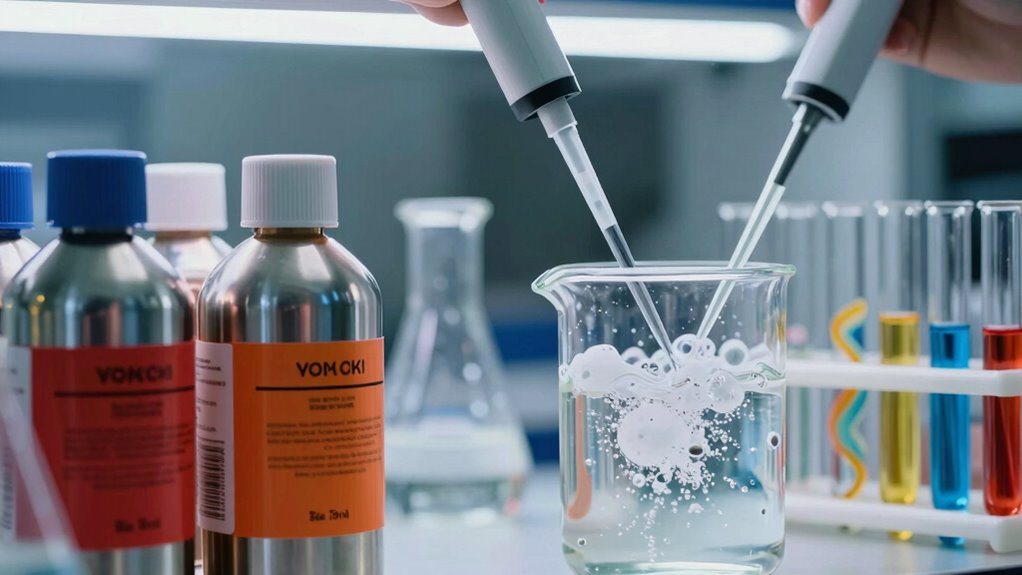
Oxidizers work by chemically breaking down odor-causing molecules into simpler, less smelly compounds. This process involves chemical reactions where the oxidizer interacts with the odor molecules, often transforming them into water, carbon dioxide, or other neutral substances. Unlike biological processes, which rely on enzymes to naturally digest organic matter, oxidizers don’t need additional biological activity. Instead, they directly target the molecules responsible for unpleasant smells through oxidation. This makes them effective against a wide range of odors, especially those from smoke, mold, or chemicals. As a result, oxidizers rapidly neutralize odors by altering their chemical structure, providing a quick and efficient solution for odor removal. Their action is purely chemical, not biological, which sets them apart from enzyme-based cleaners.
As an affiliate, we earn on qualifying purchases.
How Enzymes Break Down Organic Smells and Stains
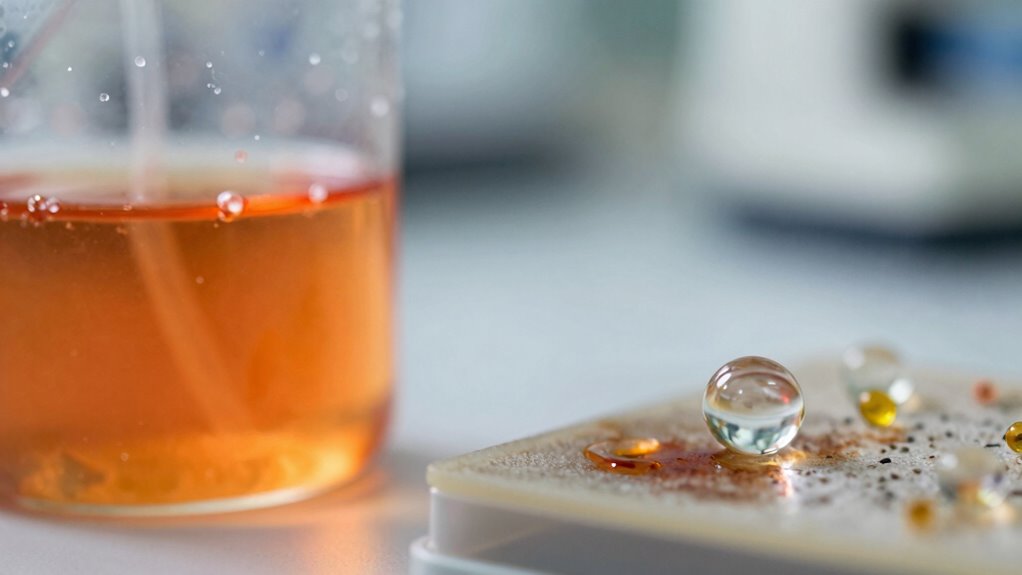
Enzymes provide a natural way to break down organic smells and stains by targeting the specific molecules responsible for odors. Their enzyme mechanisms involve catalyzing reactions that convert complex organic molecules into simpler, odorless substances. This process effectively neutralizes smells at their source. Enzymes speed up organic molecule breakdown by binding to substrates and lowering activation energy, making the decomposition faster and more efficient. Additionally, enzyme specificity explains why certain enzymes are more effective for particular stains and odors. Recognizing the role of enzyme types can guide the selection of the most suitable enzymatic cleaners for different cleaning challenges, especially when dealing with environmental regulations that encourage eco-friendly solutions. Moreover, understanding the net worth of celebrities can influence consumer preferences toward environmentally-conscious products endorsed by trusted figures.
As an affiliate, we earn on qualifying purchases.
Which Odor Removers Are Best for Tough Smells?

When dealing with tough odors, choosing the right odor remover can make all the difference. For persistent smells, you want products that trigger strong chemical reactions or boost microbial activity. Oxidizers break down odor-causing molecules through chemical reactions, transforming them into less offensive substances. They’re effective for stubborn stains and deep-seated odors like pet urine or smoke. Enzymatic cleaners, on the other hand, rely on microbial activity to digest organic compounds responsible for smells. They work best on biological odors but may require time to fully break down the odor molecules. To tackle tough smells, consider products that combine these methods or target the specific source of the odor. Your choice depends on whether you need immediate chemical action or a biological approach that gradually eliminates stubborn odors. Additionally, understanding how innovative cloud solutions can enhance product development may lead to more efficient odor-removing technologies.
As an affiliate, we earn on qualifying purchases.
How to Choose the Right Solution for Your Odor Problem

Choosing the right odor removal method depends on understanding your specific problem. You need to evaluate how the odor molecule interaction works—whether the molecules are easily broken down or require more intensive treatment. Chemical treatments, like oxidizers, often react quickly with odor molecules, neutralizing them through oxidation. Biological treatments, such as enzymes, target odors by breaking down organic compounds at a molecular level, offering a more natural approach. Your choice hinges on factors like odor severity, source, and surface type. For stubborn, persistent odors, chemical options might provide immediate results. For ongoing or organic smells, enzymes can offer a sustainable solution. Assessing your odor’s nature and the environment will help you select the most effective method for lasting freshness. Incorporating advanced odor removal technologies can further enhance your options for difficult odors, especially when combined with proper air purifier maintenance to maximize effectiveness. Understanding the interaction of odor molecules and their breakdown process can guide you toward choosing the most suitable treatment method, considering the vulnerability of different surfaces to certain treatments.
Tips for Using Oxidizers and Enzymes Safely and Effectively
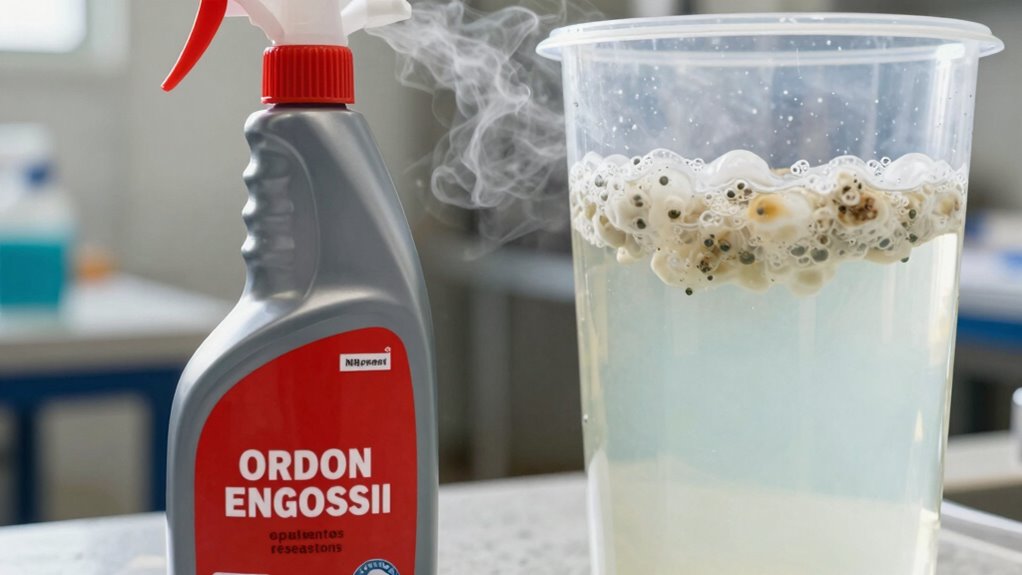
To guarantee safe and effective use of oxidizers and enzymes, it’s vital to follow proper handling procedures and manufacturer instructions carefully. Always wear protective gear, like gloves and masks, during application to ensure safety. When applying, work in well-ventilated areas to reduce inhalation risks. Pay attention to application safety by following recommended dilution rates and contact times. Storage tips are equally important; keep oxidizers and enzymes in clearly labeled, airtight containers away from heat, sunlight, and incompatible chemicals to prevent accidents. Store them separately if needed, and avoid contamination. Proper storage and handling ensure the enzymes remain active and the oxidizers stay stable, maximizing their odor-fighting effectiveness while minimizing hazards. Following these tips helps you use these solutions safely and efficiently. Additionally, understanding the differences between oxidizers and enzymes can help you choose the most appropriate treatment for specific odors. Maintaining proper storage conditions further ensures their longevity and effectiveness over time.
Frequently Asked Questions
Can Oxidizers and Enzymes Be Used Together Safely?
Yes, you can use oxidizers and enzymes together safely, but you need to guarantee chemical compatibility to avoid reactions that could reduce effectiveness or create hazards. Combining them can enhance synergistic cleaning, targeting a broader range of odors and stains. Always follow manufacturer instructions, and consider applying enzymes first to break down organic matter, then oxidizers to oxidize residual odors, ensuring safe and effective odor removal.
Do Enzyme Cleaners Work on Synthetic or Chemical Odors?
Did you know that enzyme cleaners can break down 80% of synthetic and chemical odors? They’re effective because enzymes target organic compounds, even in synthetic or chemical odors, by breaking down their molecules. So, if you’re battling stubborn smells from synthetic fabrics or chemical spills, enzyme cleaners are a smart choice. They work well on a variety of odors, making your cleaning routine more efficient and odor-free.
How Long Do Oxidizers Take to Eliminate Strong Odors?
Oxidizers usually take about 10 to 30 minutes for odor neutralization, depending on the odor’s strength and the surface involved. You’ll notice a significant reduction in strong odors within this cleaning time. For persistent or particularly stubborn smells, it might take a bit longer or require multiple applications. Keep in mind, proper ventilation can speed up the process and help you achieve fresh, odor-free spaces faster.
Are There Specific Odors That Enzymes Cannot Break Down?
You should know that enzymes have limitations due to odor specificity and may not break down certain odors like heavy chemicals, pet waste, or strong smoke. These enzyme limitations mean they struggle with odors from non-organic or synthetic sources. If you’re dealing with stubborn or unusual smells, enzymes might not be enough, and you may need to combine them with oxidizers or other cleaning methods for effective odor removal.
What Are the Environmental Impacts of Using Oxidizers Versus Enzymes?
Think of oxidizers and enzymes as different messengers for your cleaning needs. Oxidizers can be powerful but may leave behind residues that raise biodegradability concerns and pose ecological toxicity risks, like casting shadows over the environment. Enzymes, on the other hand, act gently, breaking down odors naturally and more sustainably. By choosing enzymes, you help protect the environment, reducing toxicity and supporting ecological balance in your cleaning routine.
Conclusion
Think of odor solutions as your trusted allies—oxidizers act like firefighters, blazing away stubborn smells, while enzymes are gentle gardeners, nurturing and breaking down organic messes. Choosing the right one depends on your battle—fire or garden. When you pick wisely, you’re planting the seeds for a fresher space. With patience and care, you’ll watch odors vanish like smoke in the wind, leaving behind a clean, inviting oasis.
Evergreen bestsellers Picks
bestsellers
As an affiliate, we earn on qualifying purchases.