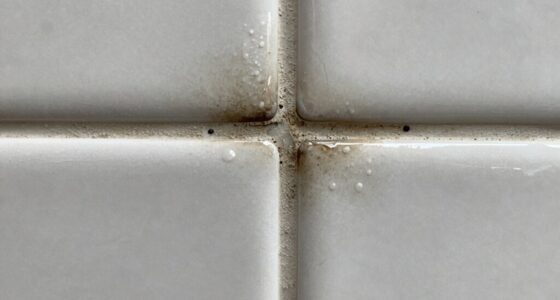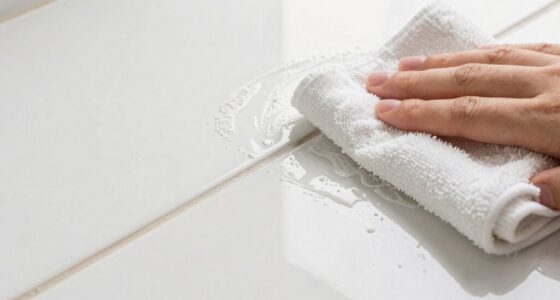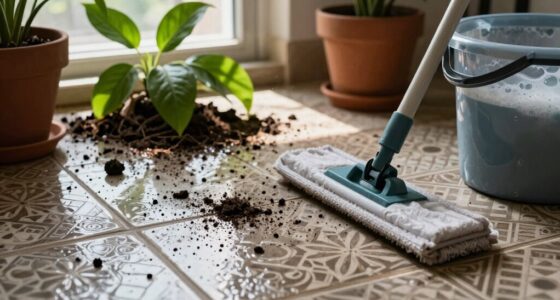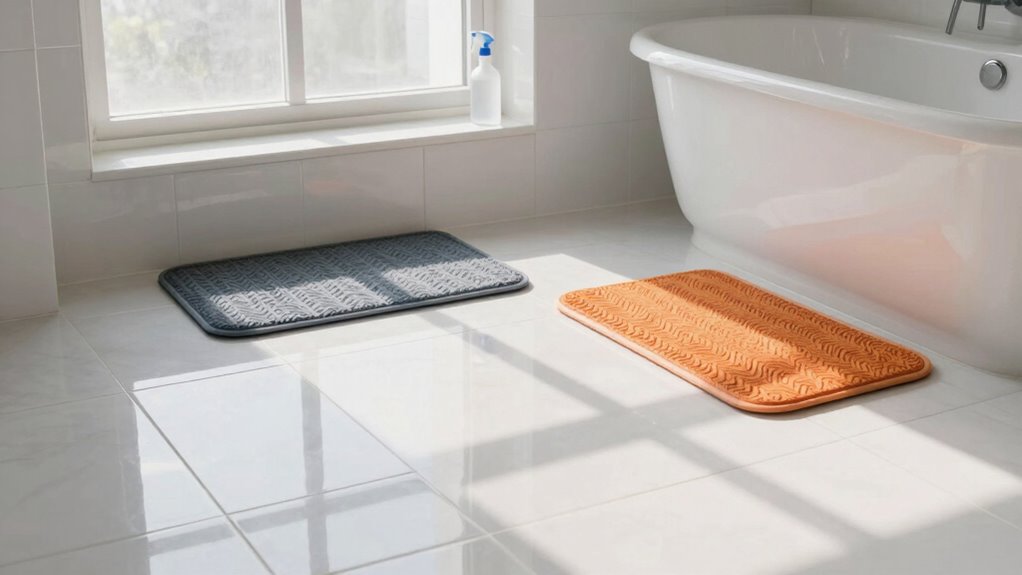
To reduce slip risk on smooth bathroom tile after cleaning, start by applying non-slip treatments that enhance grip without altering your tile’s look. Keep your bathroom dry by using a squeegee after showers and installing a ventilation fan to lower humidity. Place absorbent mats with rubber backing near sinks and tubs for added safety. Also, avoid slippery cleaners that leave residues. For more tips on maintaining a safe bathroom environment, check out additional strategies.

Get cleaning gear delivered free — and shop member deals
- Fast, free delivery on millions of items
- Access to Prime Big Deal Days deals on October 6–7
- Prime Video, Amazon Music and more included
Key Takeaways
- Apply non-slip treatments to enhance grip on smooth tiles, following manufacturer’s instructions for effective results.
- Use absorbent mats with rubber backing near sinks and tubs to capture moisture effectively.
- Keep the bathroom dry by using a squeegee after showers and installing a ventilation fan.
- Avoid slippery cleaners that leave residues; opt for products designed for non-slip tile finishes.
- Incorporate anti-slip strips or decals in high-risk areas and inspect them regularly for wear.
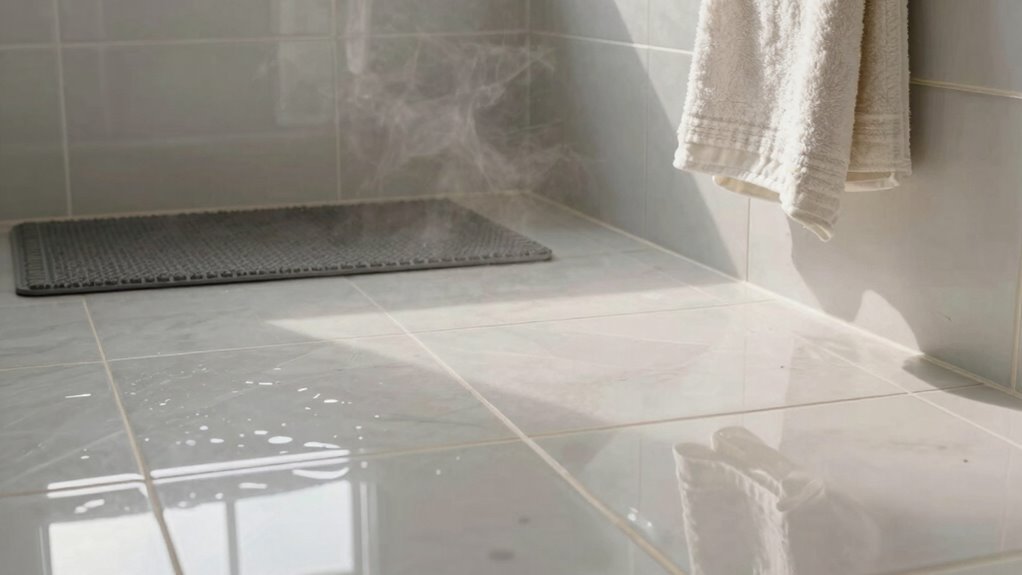
When you step into a bathroom, the last thing you want to worry about is slipping on the tile. Smooth tiles can be particularly hazardous, especially when they’re wet. Fortunately, there are effective ways to reduce slip risk, guaranteeing a safer environment for you and your family. It all starts with understanding the tile textures and using the right products and techniques.
First, consider applying non-slip treatments to your tiles. These products create a rougher surface, enhancing grip without altering the appearance of your tiles. You’ll find various options on the market, so look for those that specifically mention effectiveness on smooth surfaces. Once you apply these treatments, be sure to follow the manufacturer’s instructions for the best results.
Next, think about moisture control. Keeping your bathroom dry is vital in minimizing slip risks. After showering or bathing, use a squeegee to remove excess water from the tile. This simple cleaning technique can make a significant difference. Additionally, consider installing a ventilation fan to help reduce humidity levels. A drier environment will help prevent slips and also keep your tiles looking pristine.
Using floor mats is another excellent preventative measure. Placing absorbent mats near sinks and tubs captures moisture, providing a safer surface to step onto. Look for mats with rubber backing to prevent them from sliding around. Make sure to wash these mats regularly to guarantee they maintain their effectiveness.
Incorporating safety products like anti-slip strips or decals can also enhance safety. These are easy to apply and can be placed in high-risk areas. They’re especially useful if you have kids or elderly family members who may be more susceptible to slips.
Product recommendations can also be valuable. Research brands that specialize in safety and non-slip solutions for bathrooms. Customer reviews often provide insights into real-world effectiveness, helping you make informed choices.
Lastly, keep your cleaning techniques in mind. Avoid using overly slippery cleaners, which can leave residues. Instead, opt for products designed for tile that also offer a non-slip finish. Regular cleaning will not only keep your tiles looking great but also maintain their grip. Proper tile surface maintenance can significantly reduce slip hazards. Understanding the importance of indoor air quality can also contribute to a healthier, safer environment overall.
non-slip bathroom tile treatment
As an affiliate, we earn on qualifying purchases.
As an affiliate, we earn on qualifying purchases.
Frequently Asked Questions
What Type of Cleaning Products Should I Avoid for Bathroom Tiles?
You should avoid harsh cleaning agents like bleach or ammonia for bathroom tiles. These can leave surface residue that makes the tiles slippery. Instead, opt for pH-balanced cleaners that won’t harm the tile finish. Also, steer clear of wax-based products, as they can create a slippery layer. Always rinse thoroughly after cleaning to guarantee no residue remains, keeping your bathroom safe and slip-free.
How Often Should I Clean My Bathroom Tiles to Prevent Slips?
You should clean your bathroom tiles at least once a week for ideal tile maintenance. Regular cleaning frequency helps prevent dirt buildup, reduces soap scum, and keeps your tiles looking fresh. By maintaining this routine, you minimize the risk of slips caused by slippery surfaces. Additionally, consider deep cleaning every month to tackle tougher stains and grime. Consistent care not only enhances safety but also extends the life of your tiles.
Are There Specific Tile Materials More Prone to Slipping?
Yes, certain tile materials are more prone to slipping. Smooth tiles like porcelain or glazed ceramic often have less slip resistance due to their shiny surfaces. In contrast, tiles with textured finishes, such as natural stone or matte porcelain, provide better grip. When choosing tiles, consider their texture and slip resistance rating to guarantee safety, especially in wet areas. Prioritizing these factors will help you minimize slip risks effectively.
Can Rugs or Mats Be Used Effectively on Bathroom Tiles?
Absolutely, rugs and mats can be a smart solution for slippery bathroom tiles. Choose rug materials like microfiber or rubber that grip well, preventing slips. Place mats strategically near sinks and tubs where water tends to splash. By doing this, you not only enhance safety but also add style to your space. Keep them clean and dry for maximum effectiveness, ensuring your bathroom remains both beautiful and safe.
What Are the Best Non-Slip Coatings for Bathroom Tiles?
The best non-slip coatings for bathroom tiles include epoxy-based treatments and polyurethane sealants. These non-slip treatments enhance surface textures, making your tiles safer. Look for products that specify increased traction and durability. Before applying, clean the tiles thoroughly and follow the manufacturer’s instructions for the best results. You’ll enjoy a more secure bathroom environment, reducing the risk of slips and falls while keeping your tiles looking great.
bathroom anti-slip mats with rubber backing
As an affiliate, we earn on qualifying purchases.
As an affiliate, we earn on qualifying purchases.
Conclusion
Ultimately, reducing slip risk on smooth bathroom tiles is essential for safety. For example, after cleaning, a homeowner noticed her elderly mother struggled to walk on the slick surface. By applying a slip-resistant treatment and placing non-slip mats, she created a safer environment. Regularly checking for any spills and maintaining cleanliness can also help. Taking these steps not only protects you but also gives peace of mind to everyone using the bathroom.
ventilation fan for bathroom moisture control
As an affiliate, we earn on qualifying purchases.
As an affiliate, we earn on qualifying purchases.
anti-slip safety decals for bathroom tiles
As an affiliate, we earn on qualifying purchases.
As an affiliate, we earn on qualifying purchases.
Fall Picks
fall essentials
As an affiliate, we earn on qualifying purchases.