TL;DR

Get cleaning gear delivered free — and shop member deals
- Fast, free delivery on millions of items
- Access to Prime Big Deal Days deals on October 6–7
- Prime Video, Amazon Music and more included
A Family Handyman report recommends checking insulation and sealing air leaks in 10 parts of a home before winter, starting with the attic and roof. Contractors quoted in the report say the work can help limit drafts, protect vulnerable pipes and reduce heat loss, but the article gives no measured savings or inspection data.
Family Handyman has published a 10-area checklist for homeowners preparing for winter, advising them to inspect the attic and roof, walls, windows and doors, plumbing, basement, garage, ducts and small openings for insulation gaps or air leaks. Contractors quoted in the report say these checks can help reduce drafts and heat loss and protect pipes in cold spaces, though the article does not quantify likely energy savings.
The report puts attics and roof spaces first. Roofer Andre Kazimierski recommends checking older roofs for gaps that can let cold air enter the attic, and having a roofer inspect and seal them when needed. The article says homeowners should also make sure the attic floor separates the vented attic from the living space, using fiberglass batts or blown-in insulation where appropriate. Gaps or thin coverage may need attention.
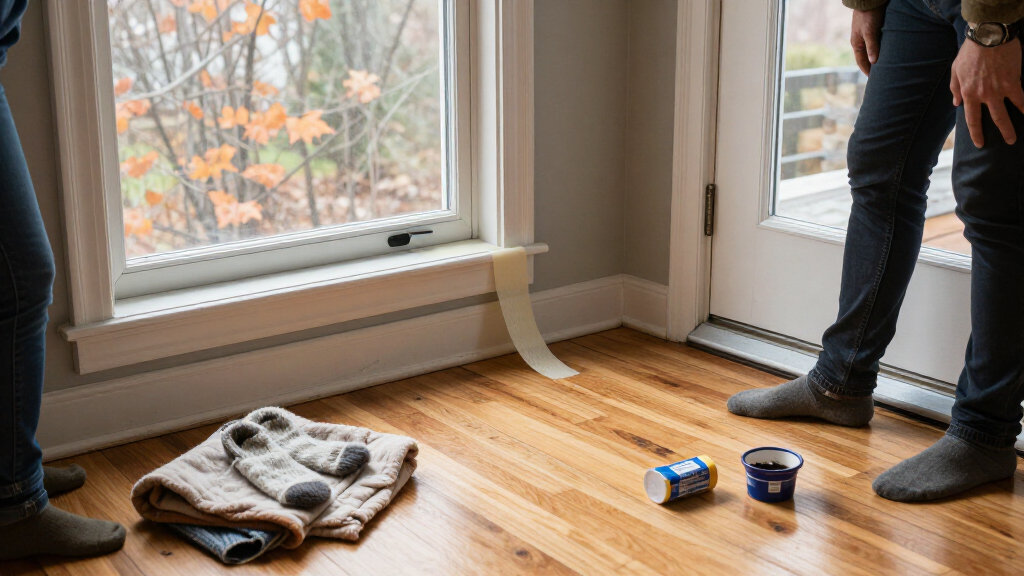
For exterior walls, contractor Bob Cardwell says blown-in insulation may suit finished walls that homeowners do not want to open, while spray foam can seal gaps. The checklist also calls for checking window and door seals and weatherstripping, and fitting foam sweeps under exterior doors if needed. These are inspections and possible repairs, not tasks the report says every home must repeat each year.
Other recommendations target spaces that are often overlooked: exposed plumbing near exterior walls or in unheated areas; rim joists and foundation openings in basements or crawl spaces; shared walls and ceilings in garages; and exposed HVAC ducts in attics, basements or crawl spaces. The report also identifies gaps around electrical outlets and where pipes and wires pass through walls. For ducts, Cardwell recommends mastic or UL-listed foil tape, saying ordinary duct tape does not hold up well on HVAC ducts.
Where Heat Escapes First
The checklist matters because winter heat loss can occur through both poor insulation and air leaks. The report says gaps can allow drafts into living areas, while heat escaping from hot water pipes wastes energy and unprotected pipes in cold spaces may freeze. Attic and roof checks receive priority because warm air rises and the attic can connect roof openings with the rest of the home.
The source does not provide test results, estimated bill reductions, or a ranking of which repair saves the most energy. The practical value is a set of places homeowners can inspect before cold weather, with the needed work depending on the building, its condition and the location of leaks.
A Seasonal Home Check
The Family Handyman report frames insulation as one part of winterizing a home. It distinguishes insulation, which slows heat transfer through building materials, from air sealing, which blocks drafts through gaps. Kazimierski says sealing gaps can improve overall insulation, while stressing that sealing alone does not address heat moving through materials such as wood, metal, brick or concrete.
The recommendations draw on comments from roofing and HVAC contractors, including Kazimierski and Cardwell. The supplied source also quotes roofer Cody Purtle, who advises starting with the attic because heat rises and insufficient attic insulation can allow heat to escape through the roof. The article says fall is a time to check window and door seals; it also notes Cardwell’s view that spring is the best time to add attic insulation. It does not explain the conditions behind that timing recommendation.
“Sealing gaps goes a very long way with improving overall insulation.”
— Andre Kazimierski, HomeHero Roofing
Costs and Savings Remain Unspecified
The article does not provide cost estimates, measured energy savings or a way to predict which repair would have the greatest effect in a particular home. It also does not set insulation levels for different climates or explain how to assess whether existing material is sufficient. The condition of a home’s roof, walls, plumbing and ducts will affect what work is needed.
The supplied source text ends mid-sentence in its FAQ discussion of attic insulation timing. It gives Cardwell’s recommendation to add attic insulation in spring, but does not include the rest of that explanation. The article also does not specify how often homeowners should inspect every area on the list.
Inspect Before Cold Weather
Homeowners can use the checklist to look for drafts, damaged seals and exposed pipes before temperatures fall, then decide which repairs fit their home’s condition. The report recommends professional roof inspection for older or weathered roofs and describes materials for several repair types. For electrical, gas, structural or roof work, use licensed professionals where required and follow relevant safety and permit rules.
The next step is a home-specific assessment: identify where air enters or insulation is missing, then seek qualified advice for work that requires opening building assemblies or installing heat cables. The source provides no follow-up date, scheduled policy change or new data release.
Key Questions
Which area should homeowners check first?
The report recommends starting with the attic and roof, where gaps or inadequate insulation may allow heat to escape. It advises a roofer’s inspection for an old or weathered roof.
Do all water pipes need insulation?
No. The report prioritizes pipes near exterior walls and those in unheated spaces, such as attics, basements and crawl spaces. It also recommends insulating hot water pipes to limit heat loss.
What can seal leaks around HVAC ducts?
Contractor Bob Cardwell recommends mastic or UL-listed foil tape for leaks at exposed duct joints and seams. He says ordinary duct tape does not work well on HVAC ducts.
Does the report estimate how much homeowners can save?
No. The source describes potential benefits, including limiting heat loss and avoiding some energy waste, but gives no measured savings or bill estimates.
Source: rss
Fall Picks
fall essentials
As an affiliate, we earn on qualifying purchases.