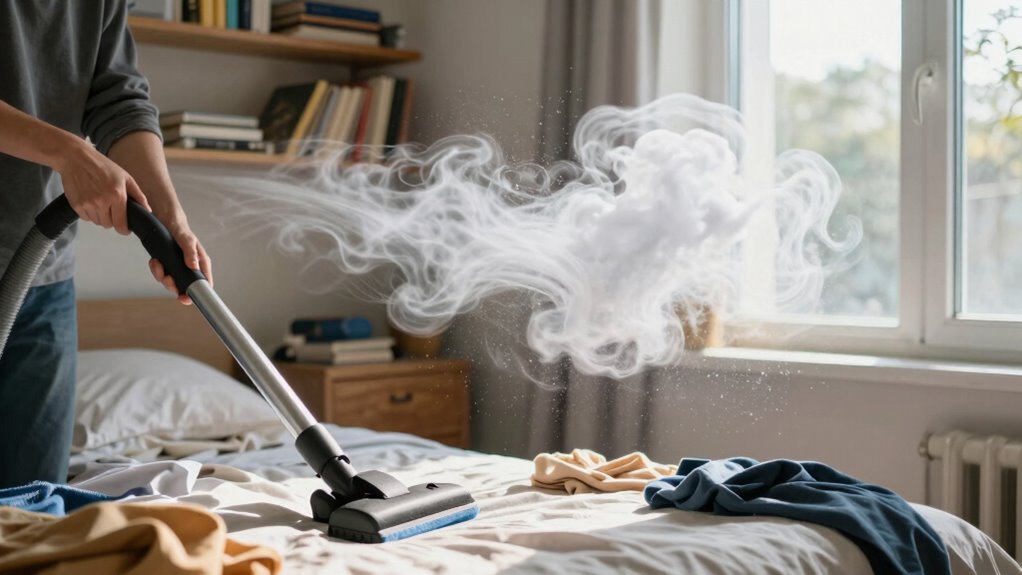
Cleaning your room removes visible dirt, dust, and clutter from surfaces, making your space look tidy and reducing immediate allergens. However, it doesn’t eliminate invisible airborne pollutants like pet dander, mold spores, or VOCs that can affect your health over time. To truly create a healthy environment, you need to clean the air with purifiers or ventilation systems. If you want to learn more about how these methods work together, keep exploring the details.
Prime for Young Adults — start your free trial
Fast free delivery, streaming and member deals for eligible 18–24 year olds.
As an affiliate, we earn on qualifying purchases.
Key Takeaways
- Room cleaning removes visible dirt, dust, and clutter from surfaces but does not eliminate airborne pollutants.
- Air cleaning targets invisible airborne contaminants like pet dander, mold spores, and VOCs, improving indoor air quality.
- Surface cleaning uses tools like vacuums and dusters, while air cleaning involves purifiers and ventilation systems.
- Combining both methods provides a healthier environment by addressing both surface dirt and airborne health risks.
- Surface cleaning enhances visual cleanliness; air cleaning reduces long-term respiratory and allergy-related health issues.
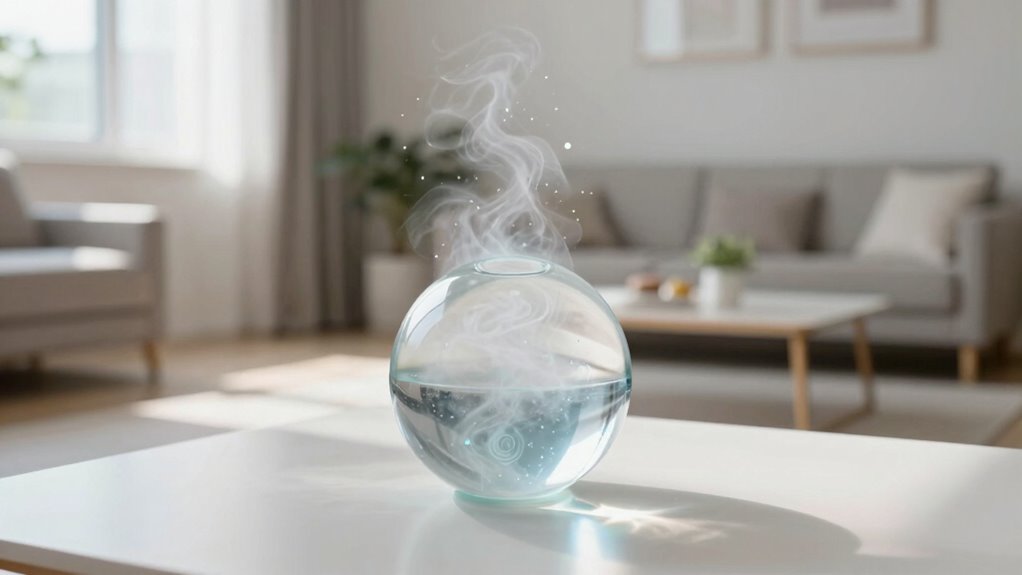
Have you ever wondered how much cleaner air and a tidier room can improve your daily life? When you focus on cleaning your space, you often think about dusting surfaces, vacuuming carpets, or organizing clutter. While these actions definitely make your environment look better and feel more comfortable, they mainly target the physical space around you. But did you know that cleaning the air itself can have an even bigger impact on your overall well-being? The difference between cleaning the room and cleaning the air lies in their focus: one addresses surface cleanliness and visible dirt, while the other enhances air quality by removing invisible pollutants.
Cleaning the air can significantly boost your well-being beyond just tidying your space.
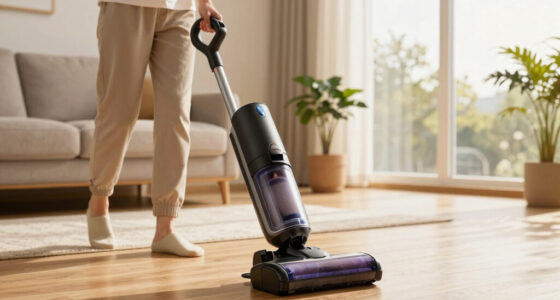
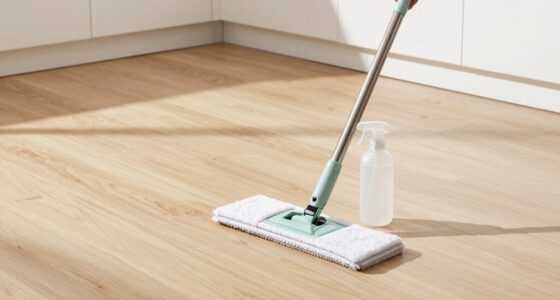
Cleaning the room primarily involves dust removal and tidying up everything you can see. You wipe down furniture, vacuum the floors, and put away items. These tasks are essential because they eliminate dust, dirt, and allergens that settle on surfaces. Dust removal, in particular, helps reduce particles that can trigger allergies or respiratory issues. However, even thoroughly cleaned rooms can still harbor airborne contaminants like pet dander, mold spores, or volatile organic compounds (VOCs). These invisible pollutants linger in the air, affecting your health in ways that surface cleaning alone can’t resolve. That’s where cleansing the air becomes vital. Indoor air quality can be significantly improved with proper ventilation and filtration methods. Improving ventilation can also help reduce the buildup of airborne pollutants, making your space healthier overall. Incorporating air quality testing can help you identify specific pollutants and tailor your cleaning strategies accordingly.
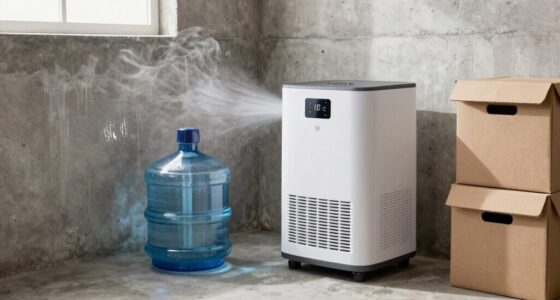
Cleaning the air involves methods designed to improve air quality directly. Air purifiers with HEPA filters trap tiny particles that are too small to see but can cause respiratory problems. Ventilation systems bring in fresh air, diluting indoor pollutants, and air filters remove dust, pollen, and other allergens. It’s like giving your lungs a thorough cleanse, reducing the risk of asthma, allergies, or other respiratory conditions. While dust removal in your room reduces the amount of debris present on surfaces, it doesn’t necessarily mean the air is free from harmful particles. Purifying the air tackles those unseen threats head-on, creating a healthier environment for you to breathe. Regularly maintaining air quality is also crucial, especially in confined indoor spaces.
Both cleaning the room and the air are necessary steps for a truly clean environment, but they serve different purposes. Tidying up and removing dust from surfaces makes your space visually appealing and reduces immediate dirt. Cleansing the air, on the other hand, targets the invisible particles that can undermine your health over time. When you combine both approaches, you get a thorough clean that not only looks good but also supports better breathing and overall health. So, next time you clean, think beyond what’s visible. Focus on improving your air quality, and you’ll notice the difference in how you feel every day.
As an affiliate, we earn on qualifying purchases.
Frequently Asked Questions
How Often Should I Clean My Air Ducts?
You should clean your air ducts every 3 to 5 years to prevent dust accumulation and maintain good indoor air quality. If anyone in your home has allergies or respiratory issues, consider cleaning them more often. Regular ventilation maintenance helps guarantee your system runs efficiently and reduces dust buildup, improving air circulation. Keep an eye on visible dust or mold, and schedule professional cleaning as needed to keep your air clean and healthy.
What Are the Best Natural Air Purifiers?
You should consider indoor plants and natural ventilation as the best natural air purifiers. Plants like spider plants, peace lilies, and snake plants naturally filter toxins and improve air quality. Additionally, opening windows regularly allows fresh air to circulate, reducing indoor pollutants. Combining these methods creates a healthier environment without relying solely on synthetic air purifiers, making your space more breathable and inviting.
Can Cleaning My Room Improve Allergy Symptoms?
Yes, cleaning your room can improve allergy symptoms. Regular dusting and vacuuming help remove dust mites and pet dander, which are common allergens. Wiping surfaces, washing bedding, and using HEPA filters also reduce airborne irritants. By minimizing these triggers, you can breathe easier and experience fewer allergy symptoms. Staying consistent with cleaning routines makes a noticeable difference in creating a healthier, allergy-friendly environment.
How Do Air Purifiers Work to Clean the Air?
Think of air purifiers as guardians that chase away invisible villains. They use air filtration, especially HEPA filters, to trap tiny particles like pollen, dust, and pet dander. As air circulates through the device, these filters act like sieves, capturing allergens and pollutants. This process leaves your indoor air fresher, cleaner, and easier to breathe, helping you feel more comfortable and less prone to allergy symptoms.
Is Carpet Cleaning Necessary for Air Quality?
Carpet cleaning is essential for maintaining air quality because carpets trap dust, allergens, and pollutants over time. Regular carpet maintenance, like deep cleaning, helps remove these particles, preventing them from circulating in the air you breathe. Neglecting carpet cleaning can lead to poor indoor air quality, especially for allergy sufferers or those with respiratory issues. So, yes, carpet cleaning is a necessary step toward healthier indoor air.
air quality testing kit for indoor air
As an affiliate, we earn on qualifying purchases.
As an affiliate, we earn on qualifying purchases.
Conclusion
Cleaning the room and cleaning the air might seem similar, but they’re like watering a plant versus watering the soil—it’s about different depths. When you tidy your space, you’re clearing surfaces and clutter, but cleaning the air is about clearing invisible pollutants and allergens. Both are essential for a healthy environment, just like both watering the plant and soil nourish it. Keep both in mind for a truly fresh, breathable space you’ll love to be in.
As an affiliate, we earn on qualifying purchases.
As an affiliate, we earn on qualifying purchases.
NFL season / tailgating Picks
team gear
As an affiliate, we earn on qualifying purchases.