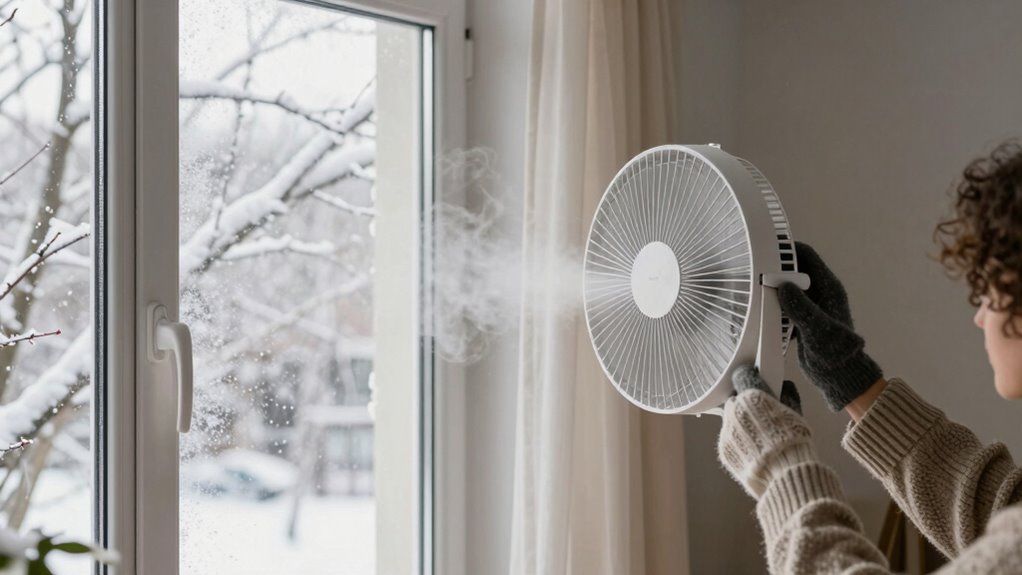
To ventilate your home safely in winter while avoiding freezing, open windows during the warmest part of the day, like midday, for short periods. Use exhaust fans in kitchens and bathrooms, and consider installing trickle vents or adjustable vents for steady airflow. Keep indoor doors open to enhance circulation, and use air purifiers to reduce fumes. If you continue exploring, you’ll discover more effective techniques to keep your home fresh and warm during cleaning.

Get cleaning gear delivered free — and shop member deals
- Fast, free delivery on millions of items
- Access to Prime Big Deal Days deals on October 6–7
- Prime Video, Amazon Music and more included
Key Takeaways
- Open windows briefly during the warmest part of the day, like midday, to improve ventilation without excessive heat loss.
- Use trickle vents or adjustable vents to allow continuous, gentle air exchange with minimal cold air entry.
- Employ exhaust fans in kitchens and bathrooms to remove fumes effectively while keeping windows closed.
- Place portable HEPA air purifiers indoors to reduce fumes without opening windows in freezing weather.
- Strategically open interior doors and use small fans to promote airflow within rooms, improving ventilation without exposing the home to cold.
HEPA air purifier for indoor fumes
As an affiliate, we earn on qualifying purchases.
As an affiliate, we earn on qualifying purchases.
Why Ventilating Your Home in Winter Is Important
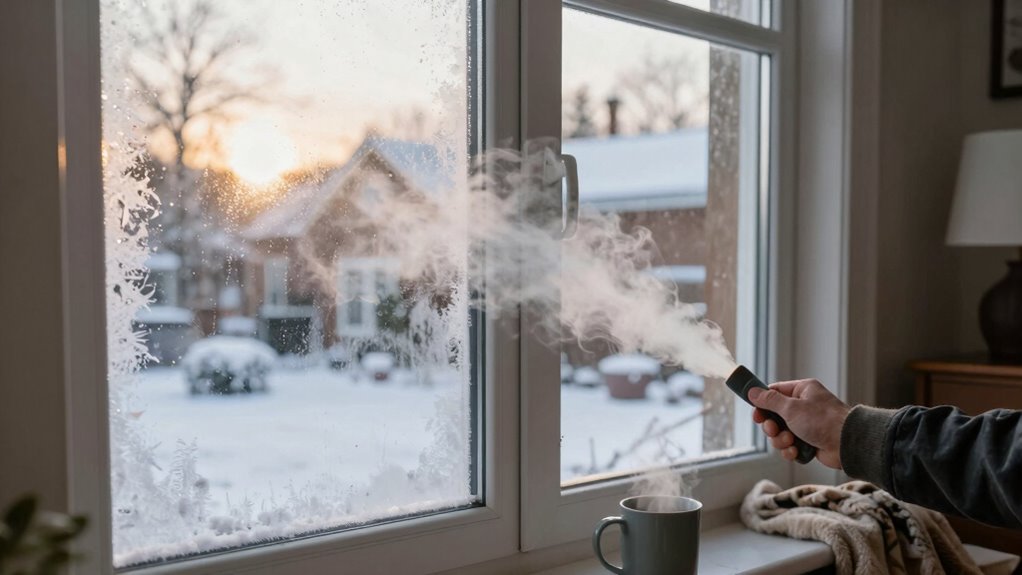
Even during the cold winter months, it is vital to ventilate your home regularly. Good air circulation helps prevent pollutant buildup from cleaning fumes and indoor sources, keeping your indoor air healthier. When you keep your home sealed against the cold, pollutants like chemicals from cleaning products can accumulate quickly, affecting your breathing and overall health. Proper ventilation ensures fresh air enters, diluting these contaminants and reducing their concentration. It also helps control humidity levels, preventing mold growth and musty odors. Skipping ventilation during winter can lead to stale, contaminated air that impacts your comfort and well-being. By finding safe, effective ways to circulate air, you maintain a healthier living environment without sacrificing warmth. Regular ventilation is essential for a cleaner, safer home year-round. Proper airflow management plays a key role in maintaining indoor air quality during cold months. Additionally, employing energy-efficient ventilation systems can help you maintain fresh air without significant heat loss. Ensuring proper ventilation design can optimize airflow while minimizing heat escape, making your winter ventilation both effective and energy-conscious. Using timed or controlled ventilation techniques can further enhance indoor air quality while conserving energy.
trickle vents for winter ventilation
As an affiliate, we earn on qualifying purchases.
As an affiliate, we earn on qualifying purchases.
Risks of Fumes From Cleaning Products When Ventilating in Cold Weather
When you ventilate your home in cold weather, the fumes from cleaning products can become more concentrated, increasing health risks. Cold air often reduces the effectiveness of your ventilation, trapping harmful chemicals inside. It’s important to understand these risks so you can take steps to stay safe while cleaning during winter. Additionally, using air purifiers can help reduce airborne chemical particles and improve indoor air quality during these times. Proper air purifier maintenance ensures the device works efficiently to filter out dangerous fumes, making it a valuable tool in cold weather ventilation. Incorporating Nordic-inspired home routines can also promote safer, more effective methods for managing indoor air quality during winter. Employing ventilation techniques suited for cold climates can further enhance safety by balancing airflow and temperature control, especially when combined with proper insulation to prevent heat loss.
Increased Fume Concentration Risks
Ventilating your home during winter can unintentionally increase your exposure to harmful fumes from cleaning products. When outdoor air is cold, your home’s air exchange slows down, causing fumes to linger longer indoors. This buildup raises the risk of chemical exposure, especially if you’re using strong cleaners or disinfectants. As fumes become more concentrated, even brief cleaning sessions can lead to higher health risks. Cold temperatures can also cause your HVAC system to operate less efficiently, further reducing fresh air intake. Without proper ventilation strategies, you might think you’re improving indoor air quality, but you’re actually trapping dangerous fumes inside. Understanding this increased risk helps you take steps to ventilate safely without letting fumes accumulate to harmful levels. Proper ventilation techniques can help minimize these risks and maintain a healthier indoor environment during winter months. Additionally, utilizing smart home automation systems can optimize ventilation timing to improve air quality without sacrificing comfort.
Reduced Ventilation Effectiveness
Cold weather can considerably reduce the effectiveness of your home’s ventilation system, causing fumes from cleaning products to linger longer indoors. Lower temperatures lead to airflow challenges, as cold air is denser and less able to carry away indoor pollutants efficiently. This reduced ventilation efficiency means fumes can accumulate quickly, increasing your exposure risk. When you open windows or vents, the cold air may not flow as freely, limiting fresh air exchange. As a result, toxic fumes from cleaning products stay trapped inside longer, posing health hazards. To improve airflow despite the cold, consider using exhaust fans or air purifiers with activated carbon filters. These methods help maintain better ventilation efficiency and reduce the lingering effects of cleaning fumes during winter. Understanding indoor air dynamics can help you choose the most effective ventilation strategies for cold weather.
As an affiliate, we earn on qualifying purchases.
How to Ventilate Safely Without Freezing in Winter
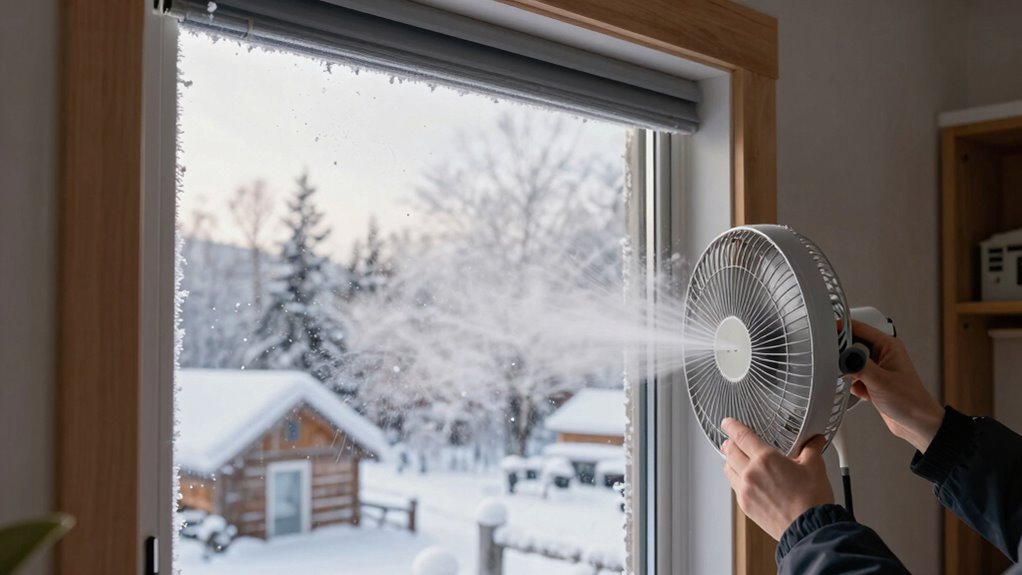
Keeping your home properly ventilated during winter is essential for removing fumes and maintaining air quality, but freezing temperatures can make this tricky. To ventilate safely without freezing, open windows briefly during the warmest part of the day, usually midday. Use indoor plants to help improve air quality and humidity control, which reduces dryness caused by heating. Consider installing trickle vents or adjustable vents that let in fresh air gradually. Use a hygrometer to monitor humidity levels, keeping them between 30-50%. Incorporating Free Floating techniques such as strategic airflow management can also help optimize ventilation without compromising warmth. Additionally, understanding ventilation strategies can help you make informed decisions to balance airflow and temperature effectively. Employing heat recovery ventilation systems can further improve air exchange efficiency while conserving heat, making winter ventilation even more effective.
adjustable window vents for winter
As an affiliate, we earn on qualifying purchases.
As an affiliate, we earn on qualifying purchases.
Using Exhaust Fans and Air Purifiers to Keep Indoor Air Fresh
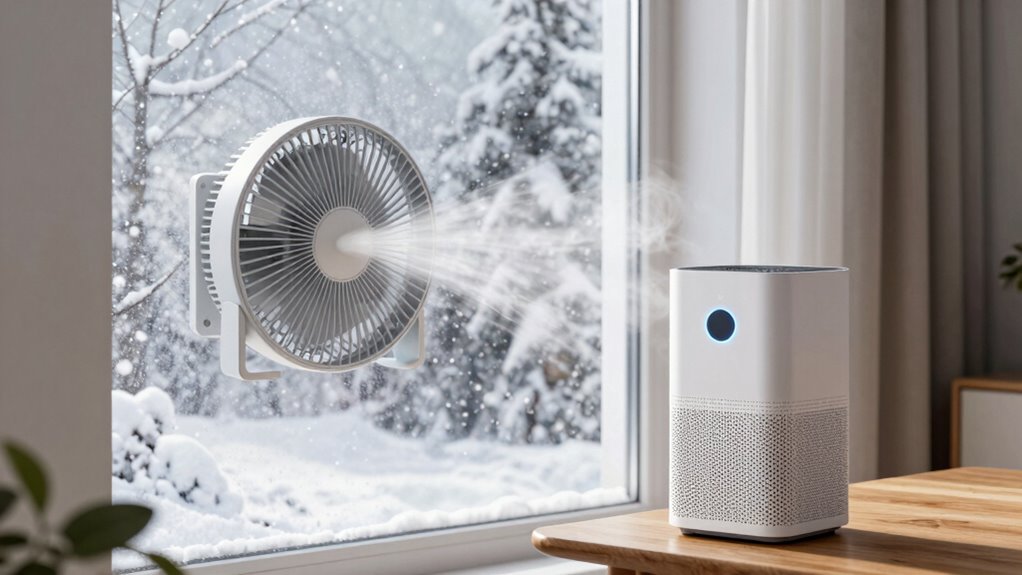
Exhaust fans and air purifiers are effective tools for maintaining fresh indoor air during winter, especially when outdoor ventilation options are limited. Proper exhaust fan placement ensures you remove fumes and excess moisture efficiently, reducing indoor pollutants. Regular air purifier maintenance, like replacing filters, keeps your device functioning at its best and prevents the buildup of trapped contaminants. Use exhaust fans in areas prone to fumes, such as the kitchen or bathroom, to quickly vent out odors and pollutants. Meanwhile, a high-quality air purifier helps continuously filter airborne particles, allergens, and cleaning fumes. Combining both devices offers a practical way to improve indoor air quality without sacrificing warmth. Proper device placement and choosing the right equipment based on your home’s needs can maximize their effectiveness. Keep up with air purifier maintenance and adjust exhaust fan placement as needed to create a healthier, fresher environment throughout winter. Incorporating smart ventilation strategies can further enhance airflow management and indoor air quality. Understanding cookie categories can help you manage device settings effectively to optimize your indoor air quality strategies. Additionally, selecting appropriate device types based on your specific needs can significantly improve overall air cleanliness.
When and How to Clean for Better Winter Ventilation
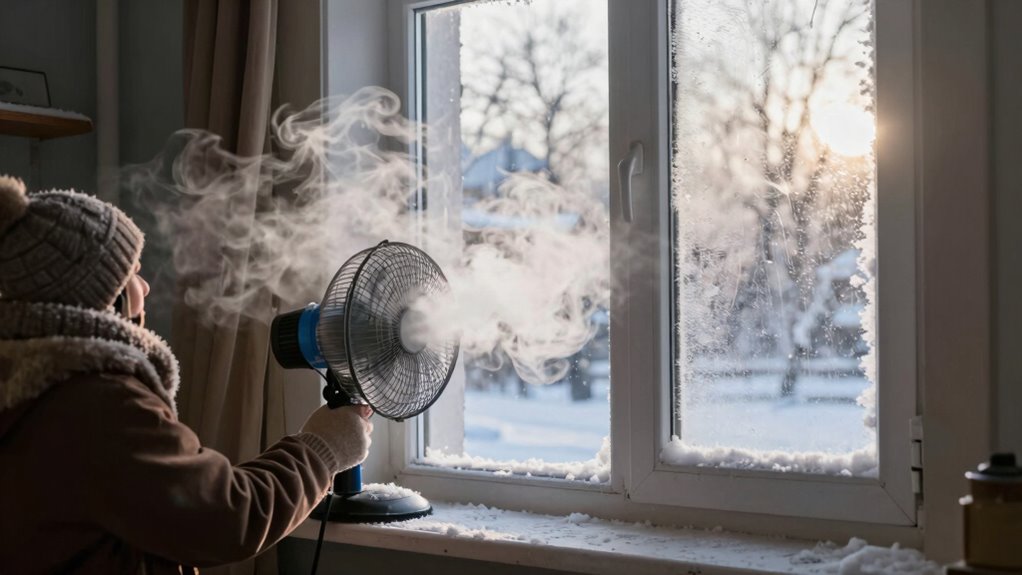
To enhance winter ventilation, you should schedule cleaning during milder days when outdoor air is less polluted. Use effective techniques like opening windows strategically and running exhaust fans to maximize airflow. Proper timing and methods guarantee your indoor air stays fresh without letting cold drafts in. Incorporating practical tools can help you implement these strategies more efficiently. Additionally, understanding indoor air quality can guide you in choosing the best ventilation practices for your home during the winter months. Being aware of ventilation efficiency ensures you optimize airflow while maintaining warmth and comfort inside.
Optimal Cleaning Schedule Timing
When is the best time to schedule your cleaning efforts during winter to guarantee ideal ventilation? The key is to plan your cleaning sessions during the warmest parts of the day, typically late morning or early afternoon. This ensures the air is slightly warmer, making it easier to open windows without risking freezing pipes or indoor discomfort. By focusing on perfect cleaning timing, you can maximize natural airflow and reduce indoor fumes effectively. Avoid cleaning during the coldest hours or right before nightfall, as this can hinder proper ventilation and cause lingering fumes. Scheduling cleaning sessions strategically helps you maintain a healthier indoor environment while enjoying the winter season. Remember, timing matters for both comfort and safety. Additionally, understanding ventilation principles can help you optimize airflow and ensure your space stays fresh and safe.
Effective Ventilation Techniques
Proper ventilation during winter requires you to actively manage how and when you clean to maximize airflow and minimize fumes. To achieve effective air exchange, plan cleaning sessions during milder parts of the day when outdoor temperatures are higher. Use ventilation methods such as opening windows briefly or utilizing exhaust fans to promote fresh air circulation. Avoid leaving windows open for extended periods, which can cause significant heat loss. Instead, create a cross-ventilation by opening opposite windows or vents simultaneously for a few minutes, allowing stale air to escape and fresh air to enter. You can also use portable air purifiers with HEPA filters to improve indoor air quality without losing too much heat. These techniques help remove fumes efficiently while maintaining a warm indoor environment.
Creative Ways to Boost Airflow Without Losing Heat
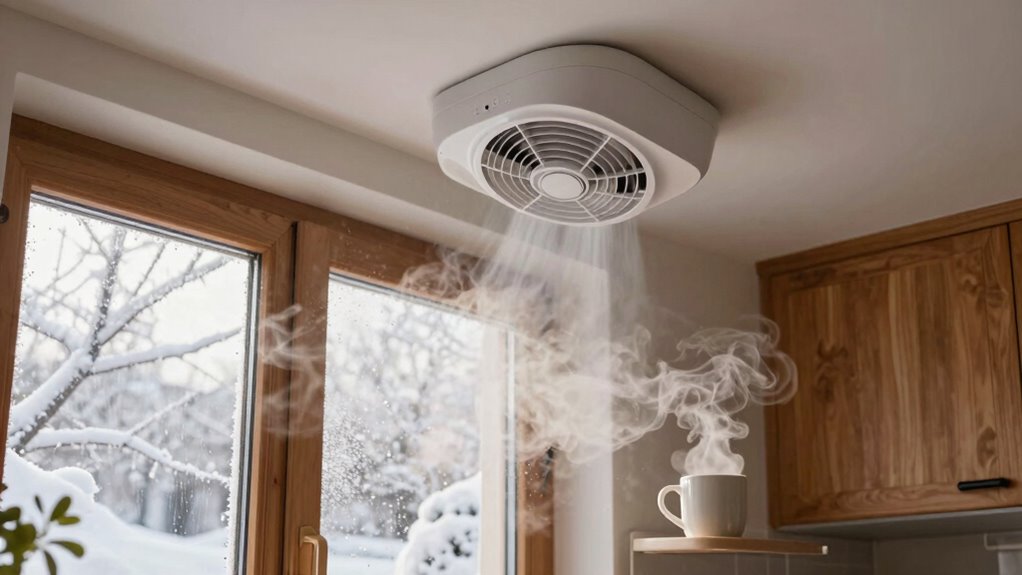
If you want to improve airflow inside your home during winter without letting heat escape, there are several creative solutions to contemplate. One effective approach is to use adjustable vents or vent covers that allow you to control airflow while minimizing heat loss. Installing trickle vents or using fans with variable speed settings can optimize airflow without creating drafts. Additionally, strategically opening interior doors can encourage better circulation between rooms, enhancing airflow optimization. You might also consider placing small, powered fans near vents or windows to gently move air without significant heat loss. Using these techniques helps maintain heat retention while improving ventilation, reducing indoor fumes, and keeping your home warm and comfortable during winter cleaning sessions.
Choosing Low-Fume and Eco-Friendly Cleaning Products for Winter
During winter, choosing low-fume and eco-friendly cleaning products is essential for maintaining indoor air quality and protecting your health. These products emit fewer harmful chemicals and reduce indoor fumes, making your home safer during cold months when ventilation is limited. Look for eco friendly cleaning options that use natural ingredients and avoid synthetic fragrances. When selecting low fume products, check labels for low volatility and minimal chemical content. To help you decide, here’s a quick comparison:
| Product Type | Benefits |
|---|---|
| Eco friendly cleaning | Better for the environment, safer indoors |
| Low fume products | Reduces indoor fumes, improves air quality |
Choosing the right products guarantees a healthier, more comfortable winter indoors.
Monitoring Indoor Humidity and Air Quality During Cold Months
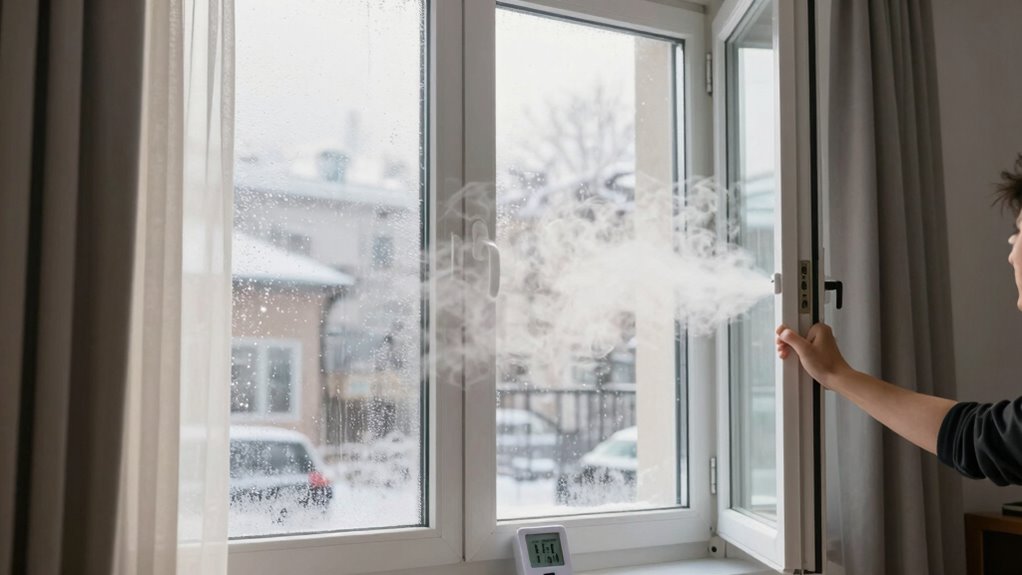
Maintaining essential indoor humidity and air quality is crucial in winter, when tight insulation and limited ventilation can lead to stale air and dry conditions. Regular humidity monitoring helps you keep humidity levels between 30-50%, preventing issues like dry skin or mold growth. Use a hygrometer to track moisture levels and adjust with a humidifier or dehumidifier as needed. Air quality is equally important; poor air can cause respiratory problems or exacerbate allergies. Keep an eye on air quality indicators with an air purifier or air quality monitor to detect pollutants, dust, or excess humidity. Good ventilation, even briefly, helps refresh indoor air without losing heat. Staying vigilant about humidity and air quality ensures a healthier, more comfortable winter home environment.
Tips for Maintaining a Safe and Fresh Home All Winter
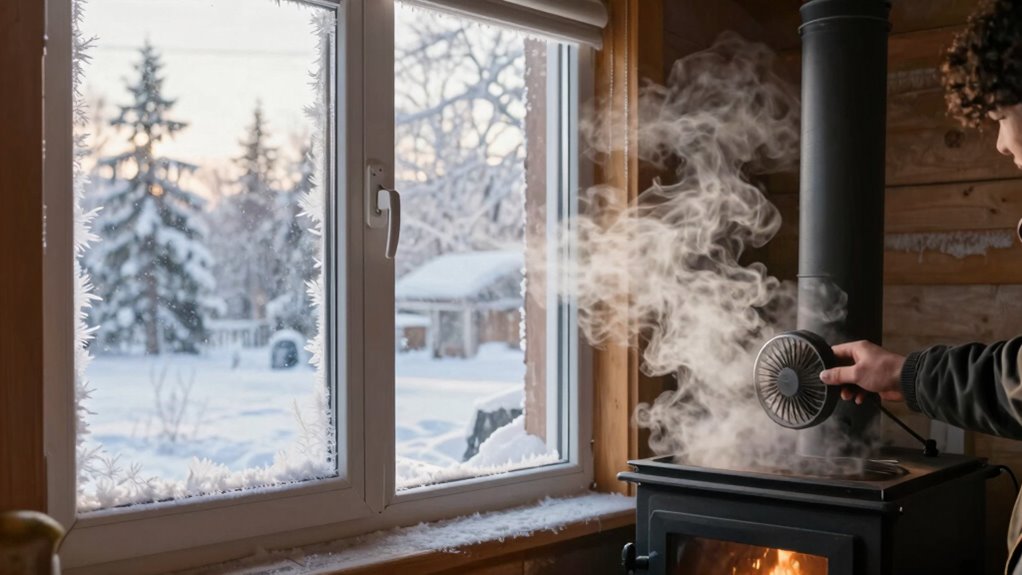
Staying safe and fresh in your home throughout winter requires proactive steps to prevent health issues and maintain comfort. Good air quality is essential, so regularly ventilate by opening windows briefly on clear days or using exhaust fans. Manage indoor odors by keeping your home clean and avoiding sources of strong smells, like smoking or heavily scented products. Use air purifiers with HEPA filters to reduce airborne pollutants and ensure your indoor air remains fresh. Maintain consistent humidity levels to prevent mold growth and dryness, which can worsen indoor odors. Keep vents clear of dust and debris, and consider indoor plants that improve air quality naturally. These practices help you enjoy a safe, comfortable, and odor-free environment all winter long.
Frequently Asked Questions
How Long Should I Ventilate After Cleaning in Winter?
You should ventilate for at least 15 to 30 minutes after cleaning, depending on the fumes’ strength. During winter, open windows briefly and use exhaust fans to improve airflow without risking freezing your home. Incorporate this into your cleaning schedule by ventilating after each cleaning session. Keep windows open just long enough to clear out fumes, then close them to maintain warmth while ensuring proper ventilation.
Can Opening Windows Cause Pipes to Freeze?
Opening windows can feel like inviting a frozen wind into your home, but it usually won’t freeze your pipes if you take precautions. To prevent pipe freezing, make sure your pipes are well-insulated and seal any window drafts. Keep your home warm enough during ventilation, especially in colder weather. Proper pipe insulation and minimizing drafts help maintain warm temperatures, so you can ventilate safely without risking frozen pipes.
Are There Specific Cleaning Products Safe for Winter Ventilation?
Yes, you should choose eco-friendly cleaners and non-toxic solutions for winter ventilation. These products release fewer fumes and harmful chemicals, making them safer to use when airing out your home. Look for natural ingredients like vinegar, baking soda, or plant-based cleaners. They help eliminate odors and disinfect without risking freezing pipes or introducing toxic vapors into your living space. Always follow product instructions for safe use.
What’s the Best Time of Day to Ventilate in Cold Weather?
Ventilate in the early afternoon, when outdoor conditions are milder like a gentle breeze. This time allows you to maximize air circulation without risking freezing your home. You’ll find that the warmer outdoor air helps clear fumes efficiently, much like sunlight disperses shadows. By choosing this window, you balance fresh air intake with winter safety, ensuring your home stays warm while still ventilating effectively.
How Can I Tell if Indoor Air Quality Improves After Ventilation?
You can tell if your indoor air quality improves after ventilation by using air quality sensors, which measure levels of pollutants and humidity. Look for reduced odors and faster odor dissipation, indicating cleaner air. If you notice a clearer smell and sensor readings show lower pollutant levels, your ventilation is functioning. Keep monitoring the air quality over time to guarantee consistent improvement, especially during winter when ventilation can be tricky.
Conclusion
Staying ventilated in winter doesn’t mean sacrificing warmth or comfort. By using smart techniques like exhaust fans, air purifiers, and eco-friendly products, you can keep your home fresh without freezing. Sure, it might seem challenging, but with a little planning, you can enjoy clean air all season long. Remember, prioritizing safety and air quality helps protect your health—so don’t let the cold hold you back from a healthier, more comfortable home.
Fall Picks
fall essentials
As an affiliate, we earn on qualifying purchases.